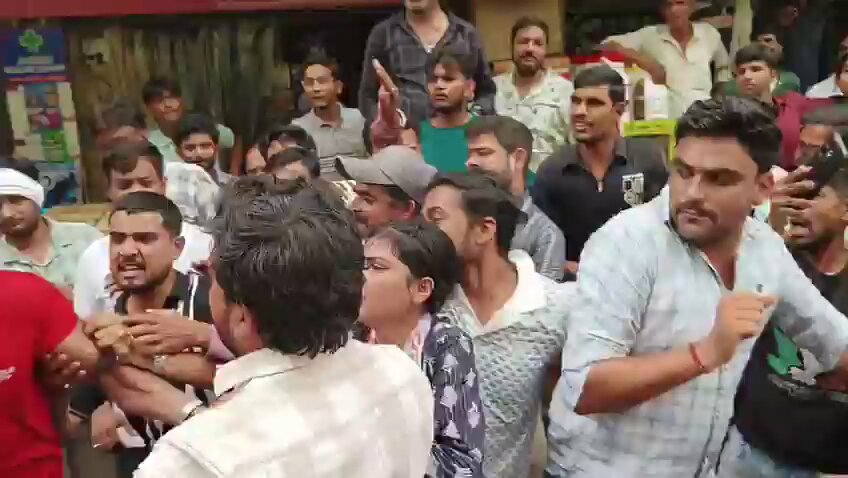

The recent assault on a Muslim man and a Hindu woman in Muzaffarnagar, Uttar Pradesh, highlights the growing tensions in India regarding communal relationships and societal intolerance. The incident, where the couple faced brutal attacks from right-wing vigilantes merely for being seen together, raises questions about safety for minorities and the effectiveness of law enforcement in protecting citizens.
Context of the Incident
The brutal assault occurred in Muzaffarnagar, a district that has seen its share of communal violence in the past. Historical rivalries and ongoing tensions between different communities contribute to a climate of fear and division. Reports indicate that the couple was targeted simply due to their inter-religious association, which is often viewed with hostility in certain parts of India. The right-wing group’s actions reflect a broader societal issue where minorities feel unsafe and vulnerable due to the rise of intolerance.
The Role of Law Enforcement
Following the attack, local police rescued the couple and took them to a nearby station for safety. However, the subsequent lack of action against the attackers raises serious concerns about law enforcement’s commitment to safeguarding citizens from hate crimes. Despite the presence of media coverage and public outcry, the perpetrators remain unidentified and unarrested. This inaction paints a troubling picture of the accountability and responsiveness of authorities in cases involving communal violence.
Community Response and Broader Implications
The response from the community and political circles to this incident has been mixed. While many express outrage over the violence, the fear of retribution keeps some voices muted. Activists and civil rights advocates are calling for immediate action to hold the attackers accountable. There is a growing demand for stricter laws protecting individuals from hate crimes, as many believe that merely existing as a minority in India has become increasingly perilous.
Why This Matters
This incident matters significantly for Indian society as it underscores the deteriorating relationship between different communities within the country. As the world’s largest democracy, India prides itself on its diversity and secularism, yet events like this threaten to undermine those values. The political atmosphere is increasingly polarized, and incidents of violence against minorities can catalyze further divisions in society. The government’s response will be closely monitored, as it will indicate its stance on communal harmony and the protection of minority rights in an increasingly fragmented landscape.
Frequently Asked Questions
What triggered the incident in Muzaffarnagar?
The incident was triggered when a Muslim man was seen with a Hindu woman, which led to a violent reaction from a group of right-wing vigilantes who attacked both individuals.
What has been the response from the police regarding this case?
The police intervened to rescue the couple and took them to the station for safety; however, there has been no action taken against the attackers as of yet.
How is the community reacting to this kind of violence?
The response is mixed, with many expressing outrage while others fear the consequences of speaking out due to potential retribution from extremist groups.
What implications does this incident have for minority rights in India?
The incident raises significant concerns about the safety and rights of minorities in India, highlighting the need for stricter laws against hate crimes and better protection from violence.