
Summary
Priti Gandhi, recently appointed as the BJP’s co-convener of the Social Media Department, has garnered attention for her outspoken admiration of Nathuram Godse, the assassin of Mahatma Gandhi. This revelation has sparked debates on historical reverence and political implications, particularly within the current socio-political landscape in India.
Priti Gandhi’s Controversial Admiration
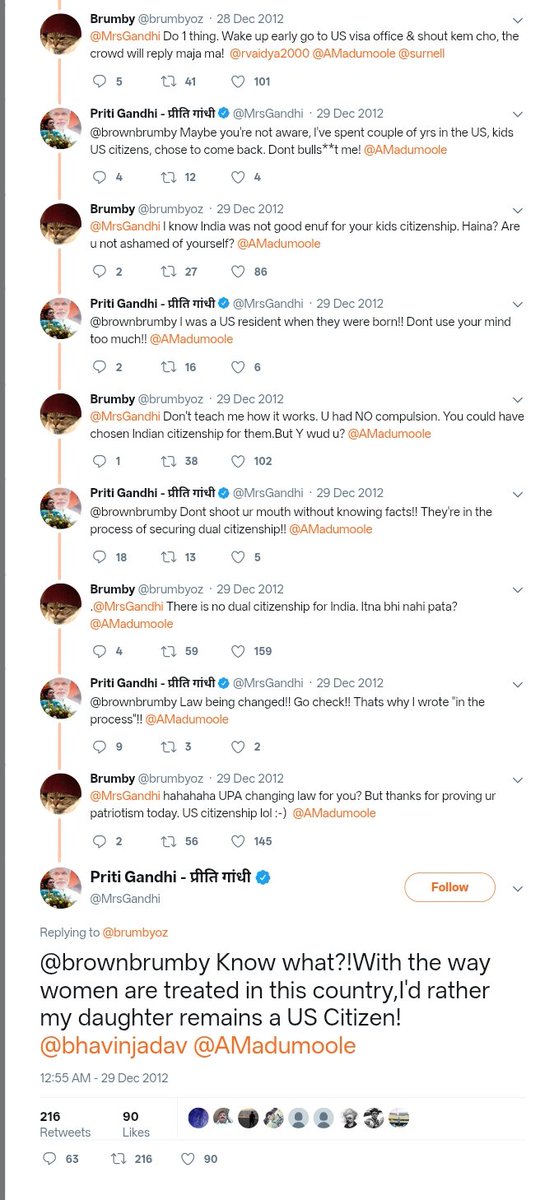
Priti Gandhi, active on social media platforms, has frequently shared her admiration for Nathuram Godse, a figure who continues to evoke varied reactions in Indian society. Godse is regarded by some as a nationalist martyr, while the mainstream narrative largely condemns him for assassinating Mahatma Gandhi in 1948. Gandhi, who has openly identified herself as a “huge fan” of Godse, has shared multiple posts that could be interpreted as showcasing his philosophy, raising questions about the BJP’s stance on historical figures associated with violence.
Moreover, her support for Godse highlights a growing trend in certain factions of Indian politics that aim to re-evaluate the legacy of historical figures based on contemporary nationalist sentiments. This situation was amplified after her recent elevation in the BJP, prompting citizens and commentators to scrutinize the implications of her beliefs within a major political party.
The Context of Political Symbolism
The symbolism attached to figures like Gandhi and Godse is essential in understanding the broader political discourse in India. Mahatma Gandhi is celebrated globally as a proponent of non-violence and peace. In contrast, Godse’s legacy invokes a narrative of radical nationalism that some within India’s socio-political spectrum find appealing.
Priti Gandhi’s position as co-convener of the BJP’s social media department adds another layer to this narrative. The BJP, a party known for its Hindu nationalist ideology, has often faced criticism for allegedly romanticizing figures like Godse. Yet, by appointing someone who openly admires him, the BJP may be signaling a robust willingness to embrace an aggressive narrative that challenges classic interpretations of Indian history.
This juxtaposition creates a complex landscape for Indian voters, who may feel polarized by the Party’s attempts to navigate between historical reverence and contemporary political realities. As Gandhi’s tweets surface and gain traction, they exemplify how individual opinions can become central to larger party ideologies.
Public Reaction and Cultural Context
The public response to Priti Gandhi’s admiration for Godse has generated polarized discussions across multiple forums, including social media, news outlets, and public platforms. Supporters laud her for “speaking the truth,” whereas critics accuse her of glorifying a murderer and undermining Gandhi’s legacy.
This contention reflects a larger cultural shift in Indian society, where young nationalists are increasingly reassessing historical narratives and seeking icons that align more closely with their vision of nationalism. The socio-political climate, fueled by communal tensions, has laid the groundwork for figures like Godse to be debated more openly in public discourse.
Notably, the BJP and its leaders have previously refrained from openly endorsing Godse’s actions while promoting a nationalist agenda. The party’s careful navigation of such sensitive historical topics underscores the careful balance they must maintain to garner widespread support among different demographic groups.
Why This Matters
Priti Gandhi’s elevation within the BJP and her admiration for Godse signal a critical moment in Indian politics. Her views reflect a growing faction within the BJP that leans toward embracing symbols of radical nationalism, which has implications for the party’s electoral strategy and ideological direction. In a country like India, where communal tensions can easily rise, her comments may influence the party’s identity and its relationship with the electorate, particularly younger demographics seeking a redefined nationalist narrative.
These developments may serve as a barometer for how the BJP plans to engage with contentious historical figures and issues. The electoral repercussions could be significant, impacting both party cohesion and public sentiment as they navigate the complexities of modern Indian nationalism.
Frequently Asked Questions
Who is Priti Gandhi?
Priti Gandhi is the newly appointed co-convener of the BJP’s Social Media Department and is known for her outspoken support of Nathuram Godse.
What is the controversy surrounding her admiration for Godse?
Her admiration for Godse, the assassin of Mahatma Gandhi, has sparked debates about historical reverence and the implications of such views within a major political party like the BJP.
Why is Godse a controversial figure in India?
Nathuram Godse is controversial as he is both condemned as a murderer of Mahatma Gandhi and criticized for being a symbol of radical nationalism that some factions view favorably.
What does this mean for the BJP and Indian politics?
Priti Gandhi’s views and position may indicate a shift towards embracing more radical nationalist sentiments within the BJP, potentially influencing the party’s ideology and electoral strategies in future elections.