
Summary
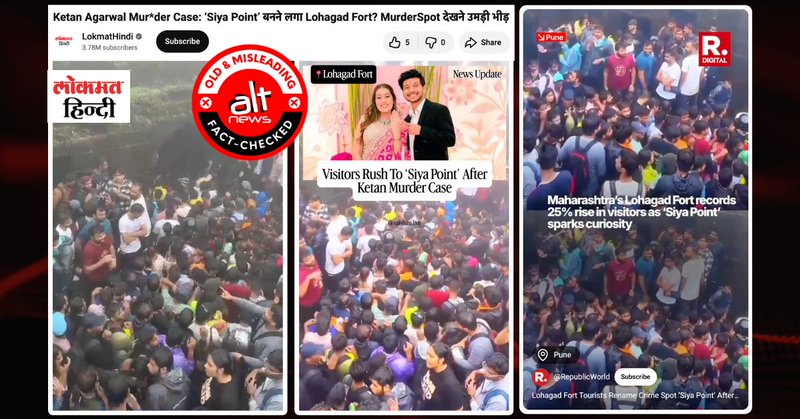
A video depicting a large crowd at Lohagarh Fort’s ‘Siya Point’ is circulating on social media, associated with the alleged Ketan Agarwal murder case. However, this video is reportedly three years old, raising concerns about misinformation being propagated in the wake of a tragic event.
Context of the Video
The footage in question showcases an impressive influx of visitors at the picturesque ‘Siya Point’ located within Lohagarh Fort. The area is known for its scenic views and is a popular attraction for tourists and locals alike. Following the alleged murder of Ketan Agarwal, some social media users and various media houses claimed the video was recent, suggesting that the crowd was a direct response to the incident. However, investigations conducted by fact-checking platforms such as Alt News revealed that this video had been recorded three years prior, disconnecting it from the current tragic narrative.
Impact of Misinformation
The dissemination of misleading information, especially in the aftermath of violent incidents, can exacerbate public anxiety and fuel unnecessary panic. In the digital age, the rapid spread of misinformation poses a significant menace to informed discourse. When visuals are misattributed, it can lead to a distorted perception of public sentiment and reality. In this case, associating the historical video with a contemporary murder not only misleads the public but also detracts from the serious discussion surrounding crime, justice, and societal issues.
Political Response and Accountability
In light of the misinformation stemming from the Ketan Agarwal case, it is imperative that both media outlets and social media users approach sensitive topics with diligence and accountability. Political actors and communicators must strive for accuracy to maintain public trust. The incident has sparked discussions on the responsibility of individuals and organizations in reporting and sharing news, especially on platforms notorious for unchecked narratives. Trust in media is integral for democracy, and instances of misinformation can erode that trust, leading to more significant societal implications.
Why This Matters
Understanding the impact of misinformation in the context of serious crimes like the Ketan Agarwal murder has profound implications for political discourse in India. It highlights the necessity for integrity and accountability in journalism. As citizens rapidly consume news from social media, the onus is on both the media and the audience to verify information before amplifying it. This incident serves as a reminder of the fragility of public sentiment and the potential for misinformation to influence political dialogue, shape public perceptions, and impact the justice system.
Frequently Asked Questions
What was the claim regarding the viral video?
The claim was that the video depicted a recent crowd at ‘Siya Point’ following the alleged Ketan Agarwal murder case.
What did investigations reveal about the video?
Investigative efforts revealed that the video was actually three years old, and not related to the recent events.
Why is misinformation dangerous in political contexts?
Misinformation can distort public perceptions, incite panic, and undermine trust in media and political institutions.
What should media users do to combat misinformation?
Users should verify information through credible sources before sharing it, especially regarding sensitive topics that could impact public opinion and behavior.