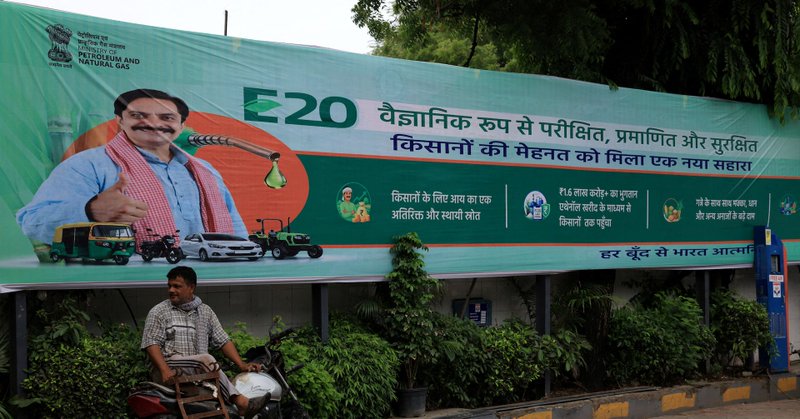

India’s auto industry is grappling with serious concerns over the safety of ethanol-blended petrol (E20) amid public assurances from the government declaring its safety. Following the government’s reassurances, the country’s main auto lobby retracted a complaint regarding fuel contamination, stating that further checks were needed. This move has raised eyebrows, particularly as communications from leading automakers revealed hidden anxieties over potential contaminants affecting vehicle performance.
Concerns Over E20 Fuel Quality
The Indian auto industry, which includes major players like Maruti Suzuki, Tata Motors, and Mahindra, has privately expressed significant concerns regarding the quality of E20 fuel, which consists of a 20% ethanol blend. Emails among industry executives unearthed by Reuters indicate a worrying trend: carmakers are apprehensive that impurities such as chloride and moisture in the fuel are adversely affecting vehicles. These concerns, however, were not mirrored in public statements, where automakers lent their support to the government’s ethanol initiative.
Withdrawal of the Complaint
In an unexpected turn, the auto lobby withdrew a previous complaint lodged with the Indian government regarding the fuel’s safety just hours after the government announced that ethanol-blended petrol was safe for public use. The lobby stated that certain figures related to contamination required further verification. This abrupt withdrawal raised critical questions about the motives behind the public alignment of the automotive sector with government claims while concealing underlying doubts.
Government’s Reassurances
The Indian government has been actively promoting the use of ethanol-blended petrol as part of its broader strategy to reduce greenhouse gas emissions and lessen dependence on imported fossil fuels. The assurances regarding the safety of E20 come at a time when the government is keen to accelerate the rollout of this eco-friendly fuel alternative. However, the apparent dichotomy between the government’s positive messaging and the industry’s private apprehensions casts a shadow on the initiative’s credibility.
Why This Matters
The discord between public and private sentiments in the automotive industry regarding the safety of E20 fuel has broader implications for India’s automotive policies and environmental initiatives. With the government advocating for renewable fuels as part of its climate commitment, unresolved issues relating to fuel quality could undermine consumer confidence and lead to significant economic ramifications. Moreover, if automakers face operational challenges due to fuel quality, it could impact production and sales, posing a risk to India’s ambitious targets for clean energy transitions.
Frequently Asked Questions
What is E20 fuel?
E20 fuel is a blend of petrol comprising 20% ethanol and 80% petrol, designed to reduce carbon emissions and dependence on fossil fuels.
What are the concerns raised by automakers?
Automakers have expressed concerns about contaminants like chloride and moisture in E20, stating these impurities may harm vehicle performance and engine durability.
Why did the auto lobby withdraw its complaint?
The auto lobby withdrew its complaint following government assurances about the safety of ethanol-blended petrol, citing the need for further verification of contamination figures.
What is the government’s stance on ethanol-blended fuels?
The Indian government supports the adoption of ethanol-blended fuels as part of its environmental policy aimed at reducing greenhouse gas emissions and enhancing energy security.