
The Madhya Pradesh police have forcibly ended a protest by tribal groups opposing the controversial Ken-Betwa river linking project, claiming the action was taken under the pretext of a medical check-up. The protest, marked by dramatic displays of dissent, has drawn attention to significant issues regarding tribal rights and resource management.
Background of the Ken-Betwa River Linking Project
The Ken-Betwa river linking project is a massive initiative intended to transfer water from the Ken River to the Betwa River, primarily to enhance irrigation capabilities in Madhya Pradesh. With an estimated cost of ₹44,605 crore, the project aims to irrigate 10.62 lakh hectares of land, provide water for 62 lakh people, and generate 130 megawatts of power. Despite the anticipated benefits, the project has faced intense scrutiny from local tribal communities who fear displacement and inadequate rehabilitation.
Tribal Opposition and Protest Tactics
In the districts of Chhatarpur and Panna, tribal men and women have adopted striking protest tactics, including lying on makeshift death beds and standing with nooses at the Barana river. These actions are a symbolic expression of the despair felt by the local adivasi population regarding the possible loss of their homes, livelihoods, and cultural heritage. The protestors have voiced demands for transparent rehabilitation processes, a public list of families affected by the project, and an end to intimidation tactics used by authorities. Videos circulated on social media depict the heightened emotions and dire conditions surrounding this contentious issue.
Government Response and Enforcement Action
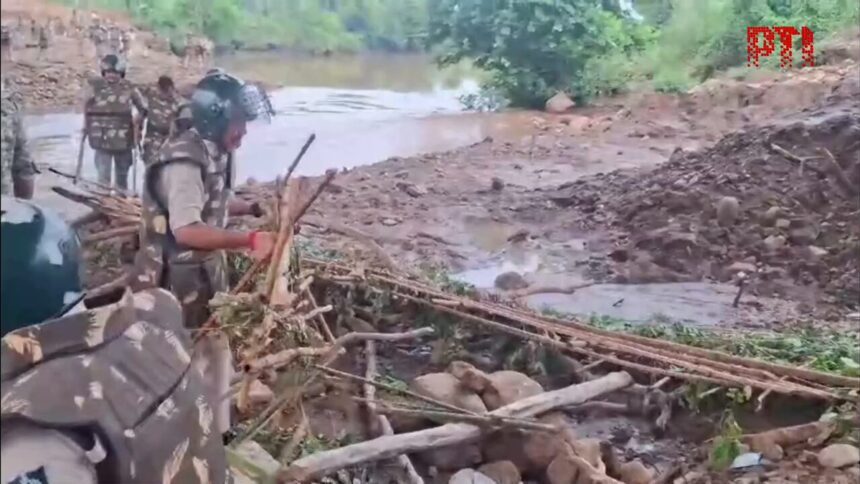
In a controversial move, Madhya Pradesh police intervened to disperse the protestors, claiming that a medical check-up was needed. This action has raised eyebrows and criticism regarding the government’s approach toward dissent, particularly towards indigenous communities. The enforcement of such measures during peaceful protests can be seen as an infringement on civil rights and has sparked outrage among supporters of tribal rights. The use of police force in this instance exemplifies the increasing tensions between the state and marginalized populations over development initiatives.
Why This Matters
This situation underscores a crucial aspect of contemporary Indian politics—the tension between development and the rights of indigenous communities. As India continues to pursue aggressive development projects, the voices of marginalized tribal populations often become overshadowed. The Ken-Betwa river linking project is emblematic of broader issues surrounding displacement, sustainable development, and the imperative for inclusive governance practices. The police’s handling of the protests raises critical questions about the state’s responsibilities toward its most vulnerable citizens and the potential consequences of disregarding their voices.
Frequently Asked Questions
What is the Ken-Betwa river linking project?
The Ken-Betwa river linking project is a large-scale initiative intended to transfer water from the Ken River to the Betwa River to enhance irrigation, supply water to local populations, and generate hydroelectric power.
Why are tribal groups protesting?
Tribal groups are protesting due to fears of displacement and loss of livelihoods associated with the construction of the Ken-Betwa river linking project. They are demanding transparent rehabilitation processes and protection of their rights.
What actions have the police taken against the protestors?
The Madhya Pradesh police forcibly ended the protest under the pretext of conducting medical check-ups, which has drawn criticism from various quarters regarding their treatment of peaceful protestors.
What are the potential impacts of the project on local communities?
The project could significantly impact local tribes by displacing families, altering ecosystems, and threatening traditional livelihoods, thereby raising concerns about the adequacy of rehabilitation and compensation measures.