Summary
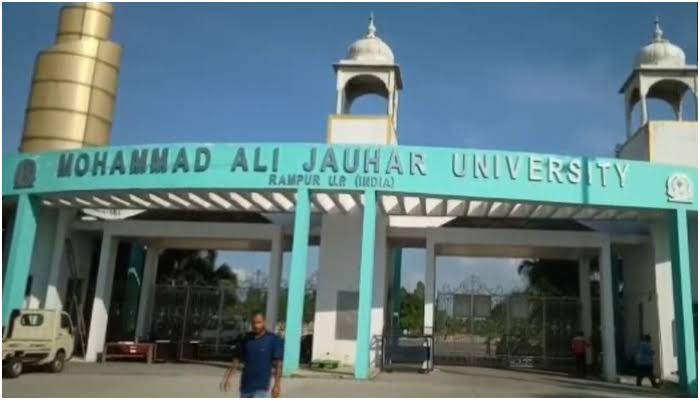
Jauhar University in Rampur has received a temporary reprieve from the demolition of 38 buildings on its campus, as ordered by the Moradabad Divisional Commissioner’s court. This development follows ongoing protests driven by students and allegations regarding the university’s construction permits. The situation reflects broader tensions surrounding minority educational institutions in India, particularly under the governance of the BJP and affiliated groups.
The Court’s Intervention
On Monday, the Moradabad Divisional Commissioner, Anjaneya Kumar Singh, announced a stay on the demolition order after the university’s counsel submitted a plea for relief. The decision came after a scheduled hearing was postponed due to a mourning event for a deceased advocate in Moradabad. Singh confirmed, “The university’s application has been accepted, and demolition of any structure has been stayed until further orders.” This interim protection will remain in effect until the final verdict is reached.
The court’s intervention stems from the Rampur Development Authority (RDA)’s directive, issued on July 15. The RDA ordered the university to demolish 38 out of its 40 buildings, claiming they were constructed without the necessary approvals dictated by the Uttar Pradesh Urban Planning and Development Act of 1973. The RDA’s actions suggest a selective enforcement driven by underlying socio-political motivations rather than strictly regulatory concerns.
Community Response and Ongoing Protests
The stay of demolition has energized students and supporters of Jauhar University, with protests continuing into the twelfth day. Tazeen Fatma, a prominent figure and the wife of the university’s founder Azam Khan, welcomed the court’s decision. She indicated a determined resolve, stating, “If the verdict is not in our favour, we will approach the High Court and, if required, the Supreme Court. We will continue our struggle till the very end.”
Fatma also rebuffed insinuations that the state government might seize control of the university, emphasizing the constitutional protections afforded to minority educational institutions. Students, embodying a strong spirit of resistance, conveyed their commitment to education, pledging to continue studying even under challenging circumstances. Fatma recounted how they expressed a willingness to sit outdoors, “under trees,” to pursue their academic goals amidst adversity.
Asim Raja, a close aide to Azam Khan, issued a warning against any attempts at demolition, predicting significant unrest should authorities proceed with their plans. The controversies surrounding the university represent a microcosm of the larger struggles faced by marginalized communities in India, especially in contexts dominated by the ruling BJP’s policies.
The Political Context
The controversy over Jauhar University highlights the broader political climate in India, particularly under the BJP government. Allegations of demolition orders targeting minority institutions suggest a pattern of discrimination, mirroring concerns expressed by various advocacy groups and political parties regarding how such actions may serve a political agenda rather than genuine infrastructural compliance.
The announcement by the RDA has been met with outrage across the spectrum. Protesters, including supporters from the Samajwadi Party and social organizations, have rallied against what they see as an infringement on the rights of minority educational institutions. These incidents raise critical questions about state actions against minority communities, drawing scrutiny from socio-political activists and human rights advocates.
Why It Matters
This situation is emblematic of the ongoing tensions between the Indian state and minority communities, particularly regarding access to education and protection from state overreach. The actions against Jauhar University reflect broader systemic issues of social exclusion and economic marginalization that are often exacerbated by the prevailing political climate favoring majoritarian narratives. Understanding these tensions is crucial for policymakers, educators, and human rights advocates who strive for equitable treatment in India’s educational sector and beyond.
Furthermore, the community’s resilience in the face of such challenges represents a significant force in advocating for rights and services that have historically been overlooked or undermined. The implications extend to how educational policies are shaped and implemented in India and how marginalized groups can navigate and resist systemic adversities.
Frequently Asked Questions
What triggered the demolition order against Jauhar University?
The Rampur Development Authority issued an order claiming that 38 of the university’s buildings were constructed without approved building plans, violating the Uttar Pradesh Urban Planning and Development Act of 1973.
What is the significance of the stay granted by the court?
The court’s stay halts the demolition until the final hearing, providing temporary protection to the university and allowing it time to challenge the RDA’s claims in a legal framework.
What actions are being taken by students and supporters?
Students have organized ongoing protests and pledged to continue their education despite potential disruptions. They have also expressed their determination to fight for the university’s rights through legal avenues if necessary.
How does this situation reflect broader issues in Indian society?
The situation at Jauhar University symbolizes ongoing struggles faced by minority educational institutions in India, highlighting issues of discrimination, social exclusion, and governmental overreach under the current political regime.