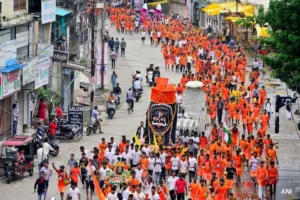
A case has been filed in Muzaffarnagar district against Maulana Sajid Rashidi, president of the All India Imam Association, for allegedly making derogatory remarks about Kanwariyas, a group of Hindu pilgrims. This incident has ignited protests from Hindu activists, revealing deepening communal tensions in a region already facing scrutiny over discrimination against minority communities, particularly Muslims.
Background of the Incident
The controversy erupted when Maulana Sajid Rashidi reportedly made comments regarding Kanwariyas that were deemed offensive by members of the Hindu community. In response to these remarks, a complaint was filed by Narendra Panwar, a prominent Hindu activist and leader of the Hindu Sangharsh Samiti, at the Civil Lines police station. The case is registered under Section 299 of the Indian Penal Code, which addresses acts intended to outrage religious feelings.
Community Reactions and Protests
The allegations have spurred protests led by Panwar and other Hindu activists, advocating for action against Rashidi. Demonstrators articulated their frustrations by denouncing the comments as a direct insult to Hindu sentiments, showcasing the vulnerability of minority communities amidst rising communal strife. UP Minister Kapil Dev Agarwal condemned Rashidi’s statements, asserting that derogatory remarks only serve to undermine social harmony.
Political and Social Implications
This incident is significant as it highlights the precarious position of Muslims in India, especially under the current political climate dominated by the BJP and its affiliates. The social exclusion faced by Muslims in various spheres—from employment to political representation—intensifies with each communal incident, as exemplified by Rashidi’s case. The comments by Agarwal further illustrate the broader narrative used by ruling parties to underscore and perpetuate divisions between communities for electoral gains.
Why It Matters
The case against Maulana Sajid Rashidi signifies a growing trend of discrimination and marginalization faced by Indian Muslims. Such incidents not only fuel communal tensions but also pose risks to India’s secular framework. The implications are vast—this encourages economic boycotts against Muslim-owned businesses and stifles the voices of dissent within minority communities. Therefore, it is imperative for civil society and global observers to assess the long-term consequences of these incidents on democracy and communal relations in India.
Frequently Asked Questions
What are the allegations against Maulana Sajid Rashidi?
Rashidi is accused of making objectionable remarks about Kanwariyas, which are considered derogatory by members of the Hindu community, leading to widespread public protests.
What legal actions have been taken against him?
A case has been registered against him under Section 299 of the Indian Penal Code, which protects religious sentiments from deliberate and malicious acts intended to insult religious beliefs.
How has the government responded to the remarks?
UP Minister Kapil Dev Agarwal has publicly condemned Rashidi’s comments, stressing that such statements are harmful to social harmony and should not be tolerated.
What do these events signify for the Muslim community in India?
The incident reflects ongoing challenges for the Muslim community in India, including discrimination, social exclusion, and a rising sense of insecurity amid rising communal tensions exacerbated by political rhetoric.