
Summary
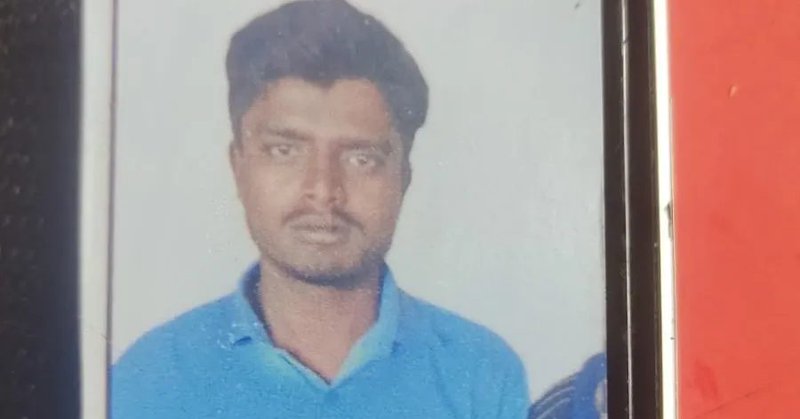
Azeem, a 28-year-old Muslim driver, died five days after an alleged assault by Kanwariyas in Hapur, Uttar Pradesh, following a road incident. This event has raised concerns about communal tensions in the region, as Azeem leaves behind a bedridden father, a wife, and a five-month-old son.
Incident Overview
The tragic death of Azeem was reported after he succumbed to injuries sustained during an altercation with Kanwariyas, who are Hindu devotees on a pilgrimage. The incident reportedly occurred after a road accident, leading to a heated confrontation. Witnesses allege that the Kanwariyas, angered by the accident, physically attacked Azeem, which ultimately resulted in his coma and subsequent death. This has brought to light the volatile nature of communal relations in parts of Uttar Pradesh, where tensions often flare up during religious processions.
Immediate Aftermath
Following Azeem’s death, authorities registered a case against seven individuals for attempted murder. The family’s reaction to the loss has been one of despair, particularly considering Azeem’s responsibilities towards his father and young family. His father is bedridden, placing additional emotional and financial strain on the grieving family. The news of Azeem’s death has not only drawn attention from local communities but has also sparked outrage on social media, amplifying calls for justice and accountability in communal violence cases.
Broader Context of Communal Violence
This incident feeds into a larger narrative of communal tension in India, particularly in states like Uttar Pradesh. Such violence often intersects with social and political dynamics, revealing deeper fissures in society. Over the past few years, various incidents have highlighted the fragility of inter-community relations, especially during religious festivals when clashes are more likely to occur. The government and local authorities are under increasing pressure to maintain law and order, but the effectiveness of their responses has been questioned amidst rising incidents of violence.
Why This Matters
The death of Azeem is not just a personal tragedy; it underscores worrying trends in communal violence and the challenges of maintaining peace in a diverse society. It raises questions about the effectiveness of law enforcement in preventing such incidents and protecting minority communities. As political parties and leaders respond to this incident, it could have significant implications for the upcoming electoral scenarios in the region, shaping discourse on law and order, communal harmony, and minority rights. Understanding such incidents is crucial for Indian readers as they reflect the complexities of living in a plural society where socio-political dynamics are ever-changing.
Frequently Asked Questions
What led to the assault on Azeem?
The assault was reportedly triggered following a road accident involving Azeem and a group of Kanwariyas, who are Hindu devotees on pilgrimage. The altercation escalated quickly, resulting in physical violence against Azeem.
What were the immediate consequences after Azeem’s death?
After Azeem’s death, authorities have registered a case against seven individuals on charges of attempted murder, reflecting ongoing investigations into the circumstances surrounding the incident.
How has the community reacted to this incident?
The news of Azeem’s death has led to widespread outrage, particularly among his community and supporters on social media, who are calling for justice and highlighting the issue of communal violence in the region.
Why is this incident significant in a broader context?
This incident highlights persistent issues of communal tensions in India, particularly during religious events. It raises important questions about the government’s role in managing public safety and the need for safeguarding minority rights in a diversely populated country.