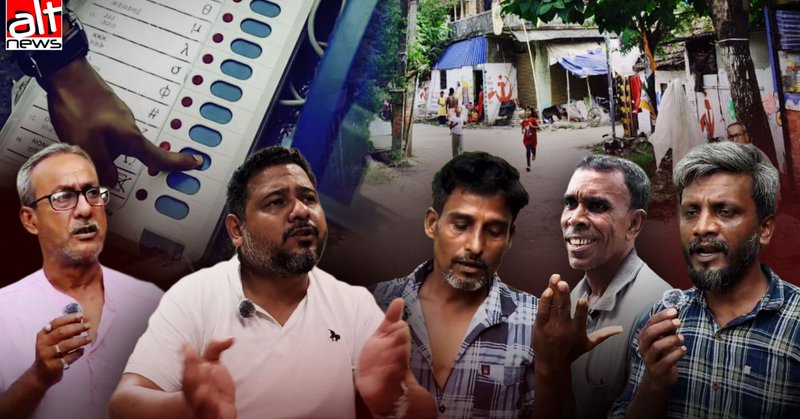

A recent report by Alt News highlights alarming electoral discrepancies in Booth 164, Rajarhat New Town, where an overwhelmingly Muslim electorate reportedly cast an overwhelming number of votes for the BJP. This improbable outcome raises questions about electoral integrity, particularly as mainstream media coverage remains sparse.
Context: The Controversy at Booth 164
Booth 164 in Rajarhat New Town has gained notoriety following the latest election results, which indicate that a staggering 97% of votes in this predominantly Muslim area went to the Bharatiya Janata Party (BJP). With significant historical context, it is important to recognize that this booth has long been associated with voter demographics that traditionally support other political parties, particularly those advocating for minority rights.
The Election Commission (EC) claims that the booth’s voting pattern reflects a shift in voter sentiment. However, many local analysts and voters are left bewildered by this sudden pivot. Reports suggest that concerned residents have expressed their outrage, disputing the election process and calling for a comprehensive investigation into the votes cast.
Media Coverage: A Lopsided Narrative
The discrepancy in the reported voting results has stirred debate about the role of media in political reporting in India. Only two independent news organizations, Scroll and Alt News, have highlighted this story, exposing the potential counting fraud that may have occurred. In stark contrast, mainstream media outlets remain conspicuously silent, raising questions about journalistic integrity and accountability.
This absence of diverse reporting underscores a troubling trend in which critical narratives regarding electoral controversies are either diluted or ignored. As political discourse becomes increasingly polarized, the need for independent journalism to hold power accountable becomes even more urgent.
Election Integrity: Questions and Doubts
The allegations surrounding Booth 164 reflect broader concerns regarding the integrity of the electoral process in India. Instances of alleged manipulation, coercion, and administrative errors can undermine public confidence in democratic processes. For many voters, especially those from minority communities, the integrity of their votes is non-negotiable.
In this context, experts emphasize the importance of electoral transparency and accountability, urging systemic reforms to ensure that the rights of all citizens are protected during elections. The recent events highlight the vulnerabilities inherent in India’s electoral framework, necessitating a dialogue on necessary reforms.
Why This Matters
The implications of the Booth 164 controversy extend beyond the immediate constituency; it is indicative of broader themes in Indian politics, including electoral reform, minority representation, and the role of media in democracy. Instances of unexpected voting patterns in a minority-majority area can promote societal divisions and exacerbate existing tensions.
For political stakeholders, the fallout from this episode illustrates the enduring challenge of earning and maintaining voter trust. Furthermore, as citizens increasingly engage with the electoral process, awareness of the importance of transparency is crucial for fostering genuine democratic participation. This case highlights the collective responsibility of both citizens and leaders to uphold the sanctity of electoral processes.
Frequently Asked Questions
What happened at Booth 164 in Rajarhat New Town?
Booth 164 reported an overwhelming 97% of votes for the BJP in a predominantly Muslim area, raising allegations of electoral fraud and manipulation.
Why is the media coverage of this incident noteworthy?
Only two independent news organizations have reported on this significant story, highlighting a troubling silence among mainstream media, which raises questions about journalistic integrity.
What are the implications of this incident for minority communities?
Events like these can undermine trust in the electoral process among minority communities, exacerbating feelings of disenfranchisement and promoting societal divisions.
What steps can be taken to ensure electoral integrity in India?
Calls for electoral reform include increased transparency, independent audits of election results, and enhanced protections for minority voters to ensure their voices are heard and counted accurately.