
Calls for Islamic Unity Amidst Rising Tensions
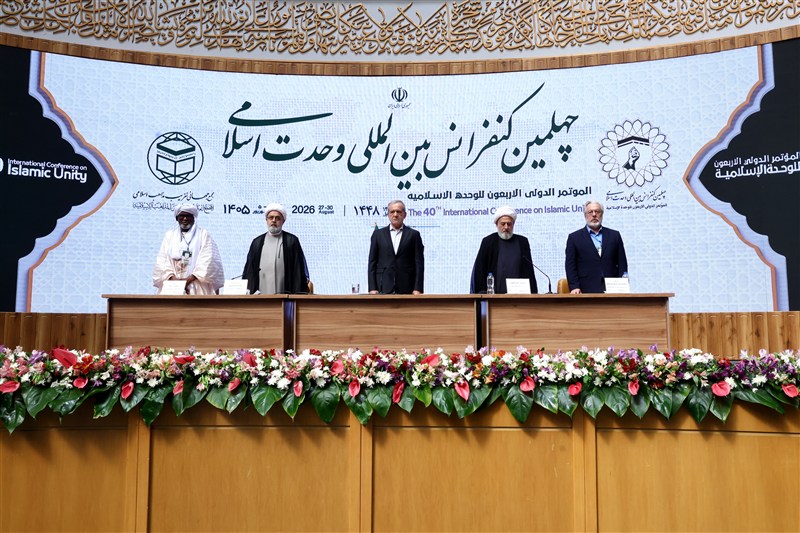
In a recent address at the 40th International Islamic Unity Conference in Tehran, Iranian politician Pezeshkian emphasized the importance of unity among Muslims amidst various global challenges. He underlined that Islamic unity does not imply the erasure of differences but rather the need to ensure that such differences do not incite enmity among Muslim nations.
The Landscape of Muslim Unity
Pezeshkian highlighted that over two billion Muslims reside in 57 member states of the Organization of Islamic Cooperation (OIC). These countries hold significant energy resources, strategic trade routes, and a youthful population with vast potential for scientific and technological advancements. However, he pointed out a disconcerting trend: the economic collaboration and trade among these nations remain underwhelming, failing to harness their collective strength. The central issue, according to him, lies in the inability to convert these diverse capabilities into a unified effort.
Responses to Regional Conflicts
In light of the ongoing hostilities, particularly referring to the recent US-Israeli military actions against Iran, Pezeshkian stated that Iran is entitled to defend itself, clarifying that such defense should not provoke hostility towards neighboring Muslim countries. He denounced the premise that any Muslim land should become a staging ground for aggression against another. Pezeshkian reiterated Iran’s support for Palestine is grounded in the struggle against oppression, transcending sectarian divides. He proposed the establishment of mutual security agreements and a non-aggression pact among Muslim nations, aimed at fostering stability and facilitating development.
Internal Challenges Hindering Unity
Pezeshkian articulated that achieving unity must begin at home within individual nations. He emphasized the necessity to prioritize justice, combat corruption, and eradicate discrimination while protecting the dignity of all citizens. This internal focus is seen as a prerequisite for forming a united front in international matters. The call for a solid foundation within each country reflects an understanding that lasting unity cannot exist without strong democratic values and inclusive governance.
Why It Matters
The call for Muslim unity, particularly in the context of growing geopolitical tensions, holds significant implications globally. It touches upon the need for solidarity among countries traditionally viewed as political rivals, fostering a dialogue that prioritizes mutual respect over discord. For global economies, enhanced intra-Muslim cooperation could mean more robust markets and new technological developments benefiting not only Muslim communities but the world at large. By addressing internal challenges such as corruption and discrimination, these nations could pave the way for greater stability and prosperity, impacting international relations and global trade dynamics.
Frequently Asked Questions
What is the Organization of Islamic Cooperation (OIC)?
The Organization of Islamic Cooperation (OIC) is an organization of 57 Muslim-majority countries aimed at promoting cooperation and unity among its members on issues of common interest.
What does Pezeshkian propose for addressing Muslim unity?
Pezeshkian advocates for mutual security arrangements, a non-aggression pact among Muslim nations, and the establishment of mechanisms for conflict mediation and prevention within the OIC.
Why is it important for Muslim countries to unite?
Unity among Muslim countries can help to mitigate internal conflicts, strengthen economic ties, and present a united front against external aggression, thereby promoting peace and stability in the region.
How does internal corruption affect Muslim unity?
Pezeshkian argues that corruption and discrimination undermine the dignity of citizens, hindering the development of a unified approach and weakening collective power in international affairs.