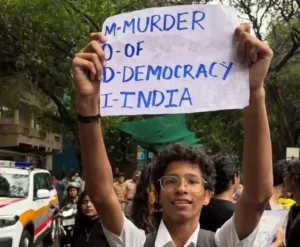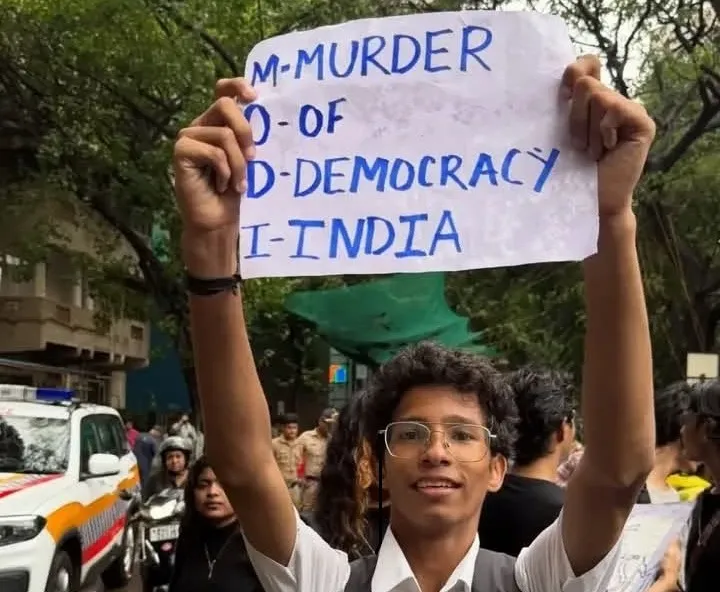

As India grapples with increasing authoritarianism and social division, the marginalization of specific communities, particularly Muslims, has intensified under the ruling Bharatiya Janata Party (BJP). Recent remarks by the Chief Justice of India that demean public interest litigants reflect a broader trend of trivializing dissent, underscoring the vulnerability of democratic institutions and social justice movements.
Language and Leadership: The Power of Words
The importance of language in shaping public perception and discourse cannot be overstated, particularly coming from those in high constitutional positions. The Chief Justice’s recent comparison of public interest litigants to “cockroaches” was not merely a slip of humor; it was a signal of the contempt that authority can harbor for those who challenge the status quo. This type of rhetoric is alarming, especially when it perpetuates a narrative that undermines the vital role activists, whistle-blowers, and ordinary citizens play in holding the government accountable.
These citizens have been on the frontline advocating for the rights of marginalized groups, exposing corruption, and defending the environment. By equating activists to pests, the ruling elite not only dismisses their contributions but also implicitly encourages a culture of silence and fear. Such language has far-reaching implications, contributing to a social atmosphere where dissent is viewed with suspicion and hostility.
The Rise of the Cockroach Janata Party: A Creative Reclamation
In response to the dismissive characterization, a coalition of young activists launched the Cockroach Janata Party, embracing the metaphor as a rallying cry. By reclaiming an insult, this movement highlights the creativity embedded in resistance. Historically, oppressed communities have transformed derogatory labels into symbols of resilience, using satire as a tool to challenge oppression and promote empowerment.
However, while the Cockroach Janata Party exemplifies the spirit of protest, it also highlights a concerning gap within India’s democratic opposition. Spontaneous expressions of outrage, though potent in energizing the public and garnering attention on social media, often lack the organizational depth necessary for sustainable political change. The challenge remains to channel this indignation into cohesive political movements that prioritize ideologies, accountability, and social justice, particularly for marginalized communities.
The Broader Context: Constitutional Erosion and Social Injustice
The current socio-political landscape in India reveals a troubling trend of deteriorating democratic institutions. The marginalization of Muslims and other minority groups has been exacerbated by the policies and rhetoric of the BJP, which often promote majoritarian interests over collective justice. Constitutional authorities have increasingly lost public trust, and independent institutions have been weakened, resulting in a crisis of democracy that affects various sectors of society.
As economic policies cater primarily to corporate interests, issues like unemployment, agrarian distress, and deepening inequalities remain unchecked, disproportionately affecting marginalized communities, including Muslims. The anti-Muslim rhetoric often employed by state officials and politicians further fuels social divisions, isolating this demographic and rendering them more vulnerable to discrimination and violence. The growing normalization of such attitudes underscores the urgent need for resistance that is not merely reactive but organized, grounded in principles of social and economic justice.
Why It Matters
The situation in India serves as a poignant reminder of the importance of democratic principles in society. The marginalization of communities and the erosion of constitutional ethics have consequences that extend beyond national borders. Understanding these dynamics is essential for historians, political analysts, and global audiences who are interested in social justice movements. As democratic institutions face increasing challenges worldwide, India’s experiences can offer crucial insights into the need for solidarity, organization, and an unwavering commitment to defending civil liberties.
Frequently Asked Questions
What is the significance of the Cockroach Janata Party?
The Cockroach Janata Party symbolizes a creative reclamation of insult and highlights the importance of organized dissent. It reflects an emerging youth movement that seeks to challenge authoritative narratives and advocate for social justice.
How has the BJP affected the Muslim community in India?
The BJP’s policies and rhetoric have led to increased marginalization and discrimination against Muslims, exacerbating social divisions and contributing to a climate of fear and exclusion.
Why is organizational depth important for protest movements?
Organizational depth provides the necessary structure and coherence that transform spontaneous protests into sustainable movements capable of enacting lasting political change and addressing the concerns of marginalized communities.
What roles do constitutional values play in democracy?
Constitutional values are foundational to democracy, ensuring justice, equality, and accountability. Their erosion can jeopardize the rights of all citizens and undermine the very essence of democratic governance.