
A remarkable mid-winter medical evacuation mission in Antarctica saw an Australian aviation team successfully rescue a US national from distressing conditions. Operating in near darkness and extreme cold, the crew navigated complex challenges to save a life, showcasing international cooperation in the harshest environments.
The Daring Rescue Mission
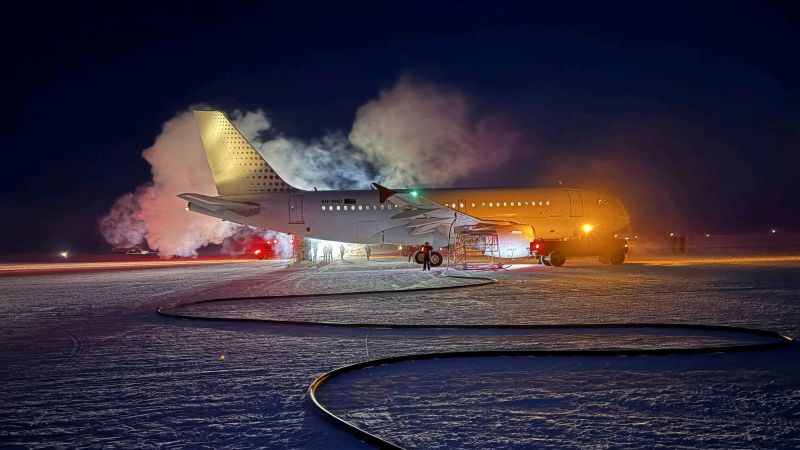
The operation began on July 28, when the Australian Antarctic Division made an urgent request for assistance related to a medical situation at the US McMurdo research station. This prompted Skytraders, the Australian airline focused on Antarctic flights, to act swiftly. Following a delay due to severe weather conditions, their Airbus A319, affectionately named Snowbird 1, departed for Antarctica on July 31 at 2:44 am local time. It reached McMurdo after a harrowing five-hour flight, where it faced near-total darkness and temperatures plummeting to a bone-chilling -45.5°F (-43°C).
Upon landing, the crew quickly and efficiently transferred the American patient onto the aircraft, departing just in time to escape further deteriorating weather. After a successful flight to Christchurch, New Zealand, the patient received treatment there, although details about their condition remain undisclosed as health authorities respect privacy.
Challenges of Winter Operations
Captain Al Wallach, the lead pilot, emphasized the heightened complexity of Antarctic missions during winter, saying, “The conditions we encountered were right on the edge of even the most specialized aircraft capability.” Co-pilot Louise Robertson elaborated on the unique challenges of flying in such conditions, noting that most runways in Antarctica are merely compacted snow. Grooming crews work tirelessly to prepare these runways for safe landings.
Communication with meteorological teams is crucial throughout these missions, especially during winter operations when unpredictable weather patterns complicate plans. The Skytraders crew had devised contingency scenarios, such as a power outage that could force them to land without visibility, highlighting the risks involved.
The Team Effort Behind the Success
The success of this operation relied heavily on cohesive teamwork and communication between multiple international entities. Robertson stated the mission’s effectiveness was due to this “team effort,” which underscored the importance of coordinated action in extreme situations.
After the tense moments of the flight, a wave of relief washed over the crew upon nearing New Zealand. The collaboration exemplified during this rescue underscores the essential role of teamwork and preparation when addressing emergency situations in some of the world’s most inhospitable environments.
Why This Is Trending
News of the daring Antarctic rescue has sparked interest in India for several reasons. Primarily, the story reflects the growing global concern for humanitarian efforts in extreme conditions. As climate change and its effects on polar regions gain attention, this incident highlights the bravery and coordination necessary to save lives in unforgiving environments. Additionally, as India continues to expand its own scientific exploration efforts in polar regions, stories like this encourage national pride and awareness.
Frequently Asked Questions
What initiated the rescue mission in Antarctica?
An urgent medical situation at the US McMurdo Antarctic research station prompted the Australian Antarctic Division to seek assistance from Skytraders for a mid-winter evacuation.
What weather conditions did the crew face during the evacuation?
The rescue operation took place under extremely challenging conditions, including complete darkness and temperatures dropping to -45.5°F (-43°C).
Why is the story of this rescue significant?
This mission showcases international cooperation in facing daunting challenges, emphasizing the critical importance of teamwork and preparedness in emergency responses, particularly in extreme environments.
How are medical emergencies handled in Antarctica?
Medical evacuations in Antarctica require meticulous planning, expert communication with meteorological teams, and readiness to adapt to rapidly changing conditions to ensure the safety of patients and crews alike.