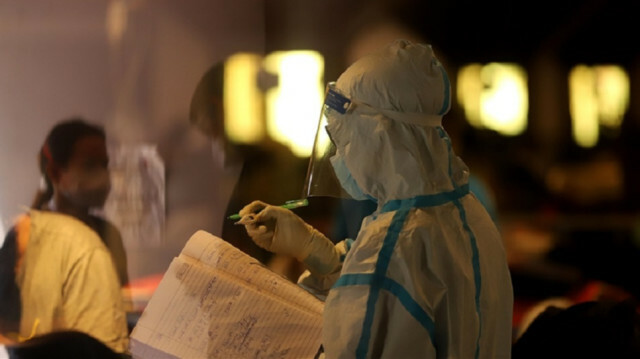

As the COVID-19 pandemic surges in India, Muslim communities are responding to the crisis by repurposing mosques and madrassas into makeshift care facilities. Despite the challenges posed by systemic discrimination and resource shortages, these efforts highlight the resilience and solidarity within the Muslim community during a public health emergency.
Community Response to Healthcare Shortages
In the face of a staggering daily average exceeding 300,000 coronavirus cases since April 22, Muslim organizations across India have taken the initiative to convert religious and educational spaces into COVID-19 care facilities. This approach has become vital as the country grapples with an acute shortage of hospital beds, oxygen supplies, and critical medications. In Gujarat, for example, a Darul Uloom in Vadodara has established an oxygen-fitted care facility that includes isolation wards.
Mufti Arif Abbas, the principal of the seminary, shared, “The cases are rising rapidly and the demand for hospital beds is huge. We decided to open the facility because we want to help people.” Initiatives like this illustrate the commitment of community leaders to address urgent health needs beyond religious obligations.
Systemic Challenges and Marginalization
The backdrop of this community response is a narrative shaped by longstanding discrimination and marginalization of Muslims in India. The political climate under governing bodies like the Bharatiya Janata Party (BJP) and organizations associated with the Rashtriya Swayamsevak Sangh (RSS) has fostered an environment where minority groups often feel excluded, both socially and economically. Reports suggest that access to healthcare services and government assistance can be disproportionately denied to Muslims, compounding the impact of the pandemic on their communities.
Amid this adversity, many Muslim groups have mobilized to bridge the healthcare gap by starting helplines to assist individuals in finding beds and oxygen supplies. Musab Qazi, a spokesman for the Students Islamic Organization of India, stated, “We started a relief task force a week ago…Our task force is helping people find beds, oxygen supply, and drugs like Remdesvir.” These grassroots efforts demonstrate a significant communal solidarity in the struggle for survival within a context of heightened societal challenges.
Solidarity in Crisis
Among the many initiatives, free distribution of oxygen cylinders has emerged in various regions, addressing the urgent needs of patients unable to secure hospital care. Individuals such as Shahnawaz Shaikh in Maharashtra have received accolades for leading efforts to provide oxygen and hospital beds to COVID-positive patients, emphasizing the importance of community-driven aid in times of crisis. His foundation’s commitment to facilitating assistance has seen a surge in requests, illustrating the desperate need for healthcare resources.
Moreover, community leaders are calling for additional conversions of public spaces into healthcare facilities. Moulana Umer Ahmed Ilyasi, chief imam of the All India Imam Organization, urged other religious spaces to open their doors, stating, “Madrassas, schools, and banquet halls run by Muslims should be used in this crisis.” Such appeals highlight the shared responsibility among communities to combat the pandemic collaboratively.
Why It Matters
The current situation underscores the intersection of public health, community resilience, and systemic social issues in India. The actions taken by Muslim organizations not only respond to immediate needs but also challenge prevailing narratives about the capabilities and contributions of marginalized communities. Understanding these dynamics is vital for informing policy and humanitarian responses, especially in contexts where discrimination may limit access to crucial resources.
Frequently Asked Questions
How are Muslim communities in India responding to the COVID-19 crisis?
Muslim communities are actively converting mosques and madrassas into COVID-19 care facilities, providing oxygen-equipped beds and setting up helplines to assist patients in finding resources.
What challenges do these communities face during the pandemic?
Muslim communities face systemic discrimination that complicates their access to healthcare, government assistance, and other vital resources, significantly impacting their response to the pandemic.
What types of aid are being provided to COVID-19 patients?
Different initiatives include providing free oxygen cylinders, establishing relief task forces for resource distribution, and converting public facilities into care centers to address patient needs directly.
Why is community involvement important in this crisis?
Community involvement is crucial for addressing immediate healthcare shortages and fostering a sense of unity, resilience, and shared responsibility during a time of unprecedented challenges for many, particularly marginalized populations.