
Political Tensions Over Caste and Transparency in India
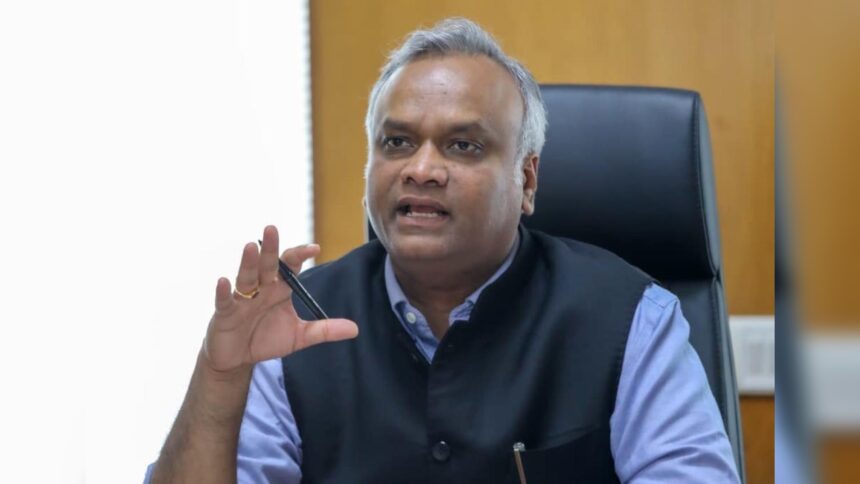
Karnataka Home Minister Priyank Kharge has issued a pointed rebuttal to BJP MP Ramesh Jigajinagi for making comments perceived as casteist, sparking a significant political confrontation that underscores the broader tensions surrounding caste dynamics and accountability in Indian governance—particularly relating to the Rashtriya Swayamsevak Sangh (RSS) and the Bharatiya Janata Party (BJP).
The Controversial Statements of Ramesh Jigajinagi
BJP MP Ramesh Jigajinagi ignited a political firestorm when he questioned why a Dalit individual should be concerned about the RSS, suggesting that those who challenge the organization typically do not survive to tell the tale. His comments weren’t merely rhetorical but charged with implications, as he questioned Kharge’s suitability for his role amid demands for greater scrutiny of the RSS.
This incident reflects a deeper, contentious intersection between caste and political discourse in India, particularly regarding who holds the authority to question and express dissent against prominent institutions like the RSS, which is widely viewed as the ideological backbone of the BJP.
Priyank Kharge’s Strong Response
In a robust retort, Kharge labeled Jigajinagi’s remarks as indicative of an entrenched casteist mindset, positing that such statements demonstrate a reluctance to accept Dalits as equals in political discourse. He raised critical questions about Jigajinagi’s motivations: whether the warning was an attempt to deter Dalits from engaging with the RSS or a reflection of the perceived privilege that prevents Jigajinagi from addressing the systemic inequalities within such organizations.
Furthermore, Kharge drew attention to the implications of Jigajinagi’s warning, questioning if it insinuated that the RSS behaves akin to a terror group that silences dissenters. His advocacy for transparency, particularly his formal request to RSS chief Mohan Bhagwat to disclose the organization’s structure, funding, and leadership details, has only added fuel to an already fiery debate.
Congress’s Stance and the Broader Implications
Additionally, Congress leader Pawan Khera came to Kharge’s defense, asserting that scrutiny of the RSS exposes its “casteist, communal and poisonous” attributes. Khera reiterated Kharge’s call for greater transparency, marking the Congress party’s stance as one of accountability in contrast to what they perceive as a culture of silence surrounding the RSS-BJP demographic.
The growing rift between the Congress and the RSS-BJP could escalate into a larger socio-political conflict, where issues of caste, civil rights, and governmental accountability are fiercely debated. As these discussions unfold, they may significantly affect how marginalized communities view their representation within the Indian political framework.
Why It Matters
This exchange between Kharge and Jigajinagi is emblematic of the ongoing struggles over caste and political representation in India. The implications of this discourse are significant for fostering a political culture that values transparency and accountability, particularly for marginalized groups. Greater scrutiny of influential organizations like the RSS is critical for ensuring that they align with democratic principles and respect the rights of all citizens, regardless of their caste. As global audiences become more aware of these dynamics, the conversation surrounding India’s socio-political fabric can potentially inform international discussions about discrimination, human rights, and governance.
Frequently Asked Questions
What triggered the controversy between Priyank Kharge and Ramesh Jigajinagi?
The controversy emerged when Ramesh Jigajinagi made comments questioning why a Dalit should be concerned about the RSS and warned of consequences for those who challenge the organization, prompting Priyank Kharge to label these remarks as casteist and prejudiced.
What was Priyank Kharge’s response to Jigajinagi’s comments?
Kharge strongly criticized Jigajinagi’s remarks, suggesting they reflected a casteist bias and raised serious questions about his motivations, while also challenging the implications of the warning given to Dalits.
What role does the RSS play in Indian politics?
The RSS is viewed as the ideological backbone of the BJP, influencing its policies and political strategies, and is known for promoting a vision of Hindu nationalism, often facing criticism for its stance on caste and communal relations.
Why is transparency regarding organizations like the RSS important?
Transparency is crucial for ensuring accountability, particularly regarding funding, leadership, and actions, as it helps mitigate allegations of undemocratic practices and cultural bias, which can adversely affect marginalized communities in India.