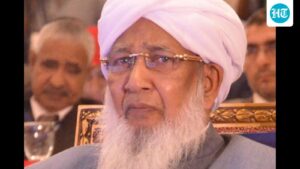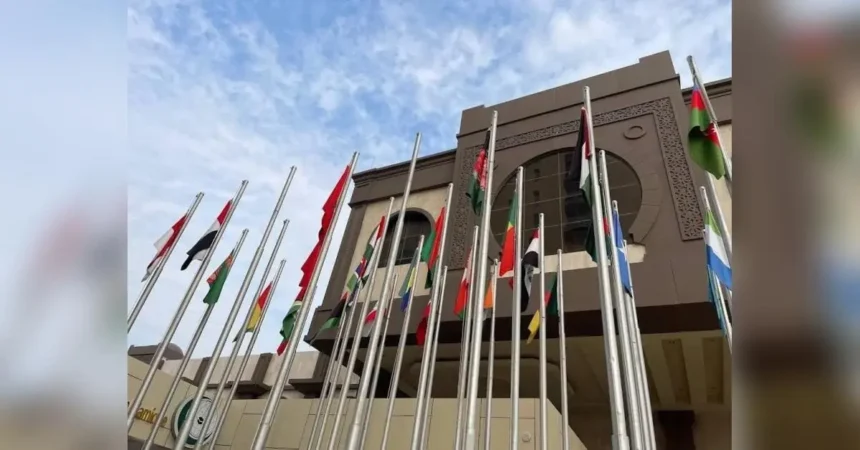

The Organisation of Islamic Cooperation (OIC) and the Muslim World League (MWL) have initiated discussions aimed at enhancing cooperation and support for the Afghan people, who are grappling with severe humanitarian and development challenges. This dialogue took place amid concerns over human rights violations, particularly regarding Afghan women under Taliban rule, and ongoing geopolitical issues affecting refugees in neighboring countries.
Recent Diplomatic Engagements
On July 11, 2023, in Islamabad, Ambassador Dr. Tarig Ali Bakheet of the OIC and Dr. Mohammed bin Abdulkarim Al-Issa from the MWL engaged in talks to address the dire humanitarian situation in Afghanistan. Their discussions encompassed the need for coordinated humanitarian efforts and bilateral programs to bolster support for the Afghan population. The OIC emphasized the importance of these initiatives, seeking to enhance the efficacy of relief efforts to assist those most affected by the ongoing crisis.
The Role of Women’s Rights in Global Discussions
Shortly after the OIC-MWL talks, Pakistan hosted the ninth meeting of OIC ministers responsible for women’s affairs on July 12, 2023. Representatives from 57 OIC member states gathered to address critical topics surrounding women’s rights, particularly concerning empowerment and participation across various sectors. Participants sought to discuss innovative strategies to enhance women’s involvement in public life, improve access to economic resources, and increase representation in the digital landscape.
With heightened awareness of women’s rights in Afghanistan, discussions pivoted to specific challenges faced by Afghan women, who remain largely marginalized under the Taliban regime. Restrictions on education, employment, mobility, and healthcare access have deepened the crisis, prompting human rights organizations to label the situation as “gender apartheid.” These ongoing reforms and dialogues among Islamic nations reflect a growing recognition of the need to advocate for women’s rights and collective action against systemic discrimination.
The Humanitarian Crisis and Impact on Refugees
Afghanistan is currently amidst an extensive humanitarian crisis, with nearly half of its population urgently requiring assistance due to stark poverty, food insecurity, and the aftermath of decades of conflict. Women’s and girls’ rights have come under siege since the Taliban’s return to power in August 2021, leading to significant regression in freedoms previously held. Human rights groups have been vocal about the alarming trends, illustrating how the political climate exacerbates the vulnerability of women and encourages a climate of fear.
Moreover, concerns have surged regarding the forced deportation of Afghan refugees from neighboring nations like Pakistan and Iran, who are returning to a country fraught with human rights violations. Rights advocates argue that these actions underscore the urgent need for international attention and intervention to protect those displaced and ensure their basic rights are upheld as they navigate an unsteady future.
Why It Matters
The ongoing discussions between the OIC and MWL are critical not only for Afghanistan but for the global community’s understanding of women’s rights within Islamic frameworks. The international spotlight on Afghanistan highlights the challenges that arise when power dynamics shift in a country, particularly concerning gender equality. As humanitarian organizations rally efforts to support Afghans, the dialogue on women’s empowerment can set a precedent for broader discussions and potential reforms in similar contexts worldwide. Recognizing the intersection of political dynamics and human rights is essential for future policymaking and response strategies.
Frequently Asked Questions
What was discussed in the OIC-MWL talks?
The OIC and MWL discussed ways to enhance cooperation and support for the Afghan people facing humanitarian and development challenges, emphasizing coordinated humanitarian efforts.
What were the outcomes of the OIC meeting on women’s affairs?
The meeting focused on increasing women’s participation in public and professional life, addressing economic empowerment, and discussing access to technology and financial resources.
How has the situation for Afghan women changed since August 2021?
Since the Taliban’s return to power in August 2021, Afghan women have faced stringent restrictions, including bans on education, employment, and freedom of movement, leading to significant social exclusion.
What are the implications of refugee deportations affecting Afghans?
Forced deportations to Afghanistan put returning individuals at risk of facing human rights violations and a continuation of the humanitarian crisis, exacerbating their vulnerable situation.