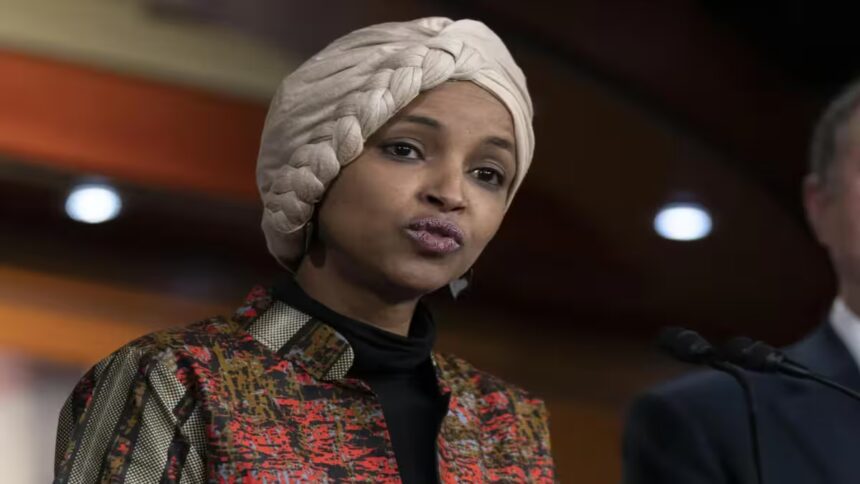

US Congresswoman Ilhan Omar’s recent comments claiming India is in the “eighth stage of genocide” against Muslims have ignited significant backlash, particularly from Indian Muslim women. Critics argue that her portrayal does not accurately reflect the realities faced by Muslims in India, suggesting that such narratives are based on selective and misleading evidence.
Omar’s Controversial Allegations
During an event organized by the Indian American Muslim Council (IAMC), Omar characterized the plight of Muslims in India as catastrophic, declaring that the country has reached the “eighth stage of genocide.” Her remarks were met with swift condemnation on social media, particularly from Indian Muslim women, who asserted that her portrayal of their lives is disconnected from their actual experiences.
Among those responding, Ambreen Zaidi pointedly noted her everyday freedoms, mocking the notion of being part of a “genocide-facing minority.” She articulated her vibrant life as a professional and engaged citizen, highlighting a sense of normalcy that stands in stark contrast to Omar’s assertions. Critics like Zaidi emphasize that lived experiences contradict claims of systemic oppression.
Counterarguments from Indian Muslim Voices
Arshia Malik further elaborated on this counter-narrative, asserting that Omar’s claims are “reckless” and grounded in unfounded propaganda. She highlighted demographic trends indicating substantial growth in India’s Muslim population since the country gained independence in 1947. Malik stressed that if genocide were occurring, one would expect a decline in population rather than sustained growth.
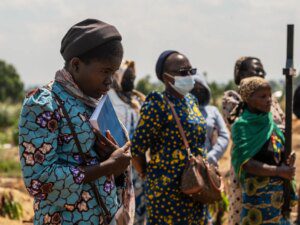
Malik’s assertion underscores crucial socio-economic realities: Indian Muslims actively participate in all facets of society, from voting and holding public office to serving in various professional sectors. She pointed out that millions have benefited from educational and economic opportunities, challenging the narrative of systematic discrimination and persecution.
Examining the Role of IAMC and the Broader Political Context
The IAMC, which hosted Omar’s remarks, has faced scrutiny for perpetuating a narrative that critics argue is one-sided concerning India. Omar’s history of vocal criticism against India’s governance, particularly under Prime Minister Narendra Modi, adds a layer of complexity to the discussion. Detractors claim her comments reflect a broader pattern of bias against India rather than an impartial assessment of conditions faced by its Muslim population.
This political backdrop raises important discussions about the role of advocacy and lobbying groups in influencing narratives around minority rights and humanitarian issues. Critics assert that such organizations may not provide a balanced representation of the lived experiences in India, thereby distorting public perception globally.
Why It Matters
The dialogue surrounding Omar’s comments and the responses from Indian Muslims is significant for multiple sectors, particularly regarding the role of social media in shaping narratives about human rights and discrimination. The backlash against Omar’s claims highlights the active participation of local voices in countering perceived misinformation on global platforms. Understanding these dynamics is crucial for policymakers, civil society organizations, and media professionals who aim to foster balanced discussions on sensitive topics like communal relations and minority rights.
Frequently Asked Questions
What does the “eighth stage of genocide” refer to?
The “eighth stage of genocide,” according to the framework created by Genocide Watch founder Gregory Stanton, involves persecution, including targeted displacement and societal segregation.
How has the Muslim population in India changed since independence?
India’s Muslim population has increased from approximately 9.8% in 1951 to over 14% by 2011, indicating demographic growth rather than decline.
What is the Indian American Muslim Council (IAMC)?
The IAMC is a US-based advocacy organization that promotes Muslim rights and social justice, but it has faced criticism for allegedly presenting a one-sided narrative regarding the state of Muslims in India.
How are Indian Muslims represented in society?
Muslims in India actively engage in society through voting, holding public office, working in various professions, and enjoying constitutional protections that allow for cultural and religious expression.