
Overview of the Ebola Outbreak in the DRC
The Ebola outbreak in the eastern Democratic Republic of the Congo (DRC) has now exceeded 1,000 confirmed cases, with health officials reporting that 1,003 individuals have been infected and 254 have tragically lost their lives since the outbreak was declared on May 15. The outbreak, driven by the rare Bundibugyo strain of the virus, is compounded by violence and significant displacement in the region, hampering containment efforts.
Current Situation and Challenges
As of the latest reports, the DRC’s Ministry of Health indicates that only 100 people have recovered, while a worrying 365 individuals remain in hospitals or isolation. The outbreak’s epicenter is situated in Ituri province, a region already struggling with conflict. Contact tracing has been significantly hindered, reaching only about 55% of suspected exposure cases. Dr. Jean Kaseya, director general of the Africa Centres for Disease Control and Prevention, has voiced concerns about the outbreak’s unknown origins, highlighting the importance of identifying the index case for effective containment.
Impact of Violence on Containment Efforts
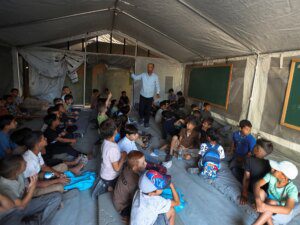
Violent activities by the Allied Democratic Forces, an armed group linked to ISIL, have severely disrupted access to affected communities. Thousands have been forced to abandon their homes and seek refuge in overcrowded camps, such as the Kigonze displacement camp near Bunia, where over 20,000 individuals currently reside. Last week, officials reported 10 unexplained deaths in this camp, prompting calls for urgent investigations, although no Ebola cases have yet been confirmed. Civil society leader Charite Banza stressed that if an epidemic were to emerge in such precarious living conditions, it would lead to a catastrophic situation for the already vulnerable population.
What This Means
The ongoing Ebola outbreak in the DRC holds implications on multiple fronts. For India, which has faced its own health crises, this situation underlines the necessity for surveillance and rapid response systems, particularly in regions prone to infectious diseases. With global travel and trade continuing to connect nations, the potential for outbreaks to cross international borders is significant. Strengthening healthcare infrastructure and international cooperation in disease control can help mitigate similar outbreaks should they arise in South Asia or elsewhere.
Frequently Asked Questions
What is the Bundibugyo strain of Ebola?
The Bundibugyo strain is one of six known strains of the Ebola virus. It was first identified during an outbreak in Uganda in 2007 and differs from other strains in terms of its transmission patterns and severity.
How is Ebola transmitted?
Ebola is primarily transmitted through direct contact with bodily fluids of infected individuals or animals, as well as through contaminated objects. This includes blood, saliva, sweat, vomit, and other bodily fluids.
Is there a vaccine for the Bundibugyo strain of Ebola?
Currently, there is no approved vaccine specifically for the Bundibugyo strain. While some experimental vaccines exist, they have not been widely tested against this particular strain, complicating containment efforts during outbreaks.
How can outbreaks like this affect global health?
Outbreaks can have a cascading effect on regional and global health systems. They often lead to increased surveillance measures, public health responses, and potential travel restrictions, affecting economies and healthcare across borders, including in India.