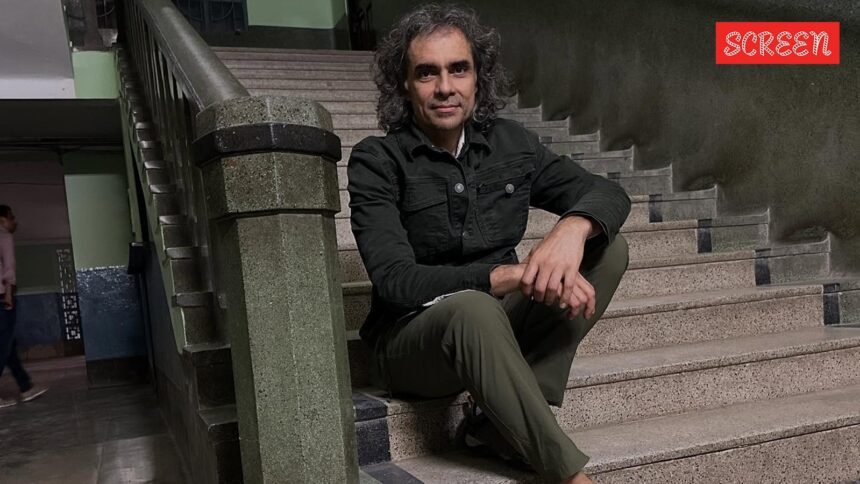

A significant conversation has emerged in Bollywood surrounding Oscar-winning composer AR Rahman, who alleged a decline in work due to potentially “communal” dynamics over the past eight years. His comments initiated a broader discussion on discrimination within the industry, with filmmaker Imtiaz Ali sharing his own experiences related to religious identity in the context of Bollywood.
AR Rahman’s Controversial Claims
AR Rahman’s comments regarding discrimination in Bollywood have raised eyebrows and sparked a wider dialogue about representation in the film industry. His assertion that he has faced reduced opportunities due to communal biases has been met with mixed reactions — while some dismiss these claims, others contemplate their implications. Critics argue that Rahman’s experience may not be universal, yet it opens a window into the complexities of religious identity and professional opportunities in Bollywood.
Imtiaz Ali’s Perspective
Filmmaker Imtiaz Ali, although entirely dismissive of communal discrimination in his career, offered a nuanced view during a recent interview. The director shared an anecdote from his college days at Hindu College, where he was playfully ragged by a senior who questioned how a Muslim got admitted to a college with “Hindu” in its title. While Imtiaz interpreted this as a joke, it begs the question of how humor related to religion can sometimes mask deeper societal sentiments. He firmly stated, “I have never faced any discrimination… if I had faced discrimination, I would have been stopped from making films, right?” This reflects his confidence in the industry, although it contrasts starkly with Rahman’s more vulnerable experiences.
Cultural and Societal Dynamics in Bollywood
Bollywood has historically been a melting pot of cultures, yet it is not immune to the prevailing sociopolitical contexts of the time. The tension between secularism and communalism has occasionally manifested in the film industry, sometimes translating into economic boycotts or social exclusion of certain religious communities. The concern is not whether individual filmmakers like Imtiaz Ali have faced discrimination, but rather how systemic biases could deter creative talent from diverse backgrounds. This interplay of societal dynamics reflects a broader narrative: that success in Bollywood may be intertwined with sociopolitical affiliations.
Why It Matters
The conversation surrounding discrimination in Bollywood is vital for several reasons. Firstly, it highlights the challenges that artists from minority communities face in thriving within an industry that should ideally champion diversity and inclusivity. Additionally, it raises questions about the responsibilities of filmmakers and institutions in fostering a more equitable environment. Understanding these dynamics is crucial for policymakers and stakeholders in the arts, serving as a reminder that representation matters not just for artistic expression, but for societal harmony and understanding as well.
Frequently Asked Questions
What did AR Rahman say about discrimination in Bollywood?
AR Rahman claimed that he has been receiving less work from Hindi cinema over the past eight years, attributing this decrease to potentially communal dynamics within the industry.
How did Imtiaz Ali respond to questions of discrimination?
Imtiaz Ali stated that he has never faced any discrimination in his career and described an incident from his college days as a joke, emphasizing that he does not represent any community.
What are the implications of discrimination in Bollywood?
The implications include reduced opportunities for artists from minority backgrounds, which can stifle cultural diversity and perspectives in Indian cinema.
Why is this topic important for a global audience?
This topic is crucial because it highlights ongoing societal challenges, the need for inclusivity in creative fields, and mirrors similar issues of discrimination faced in various cultures worldwide.