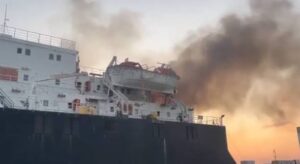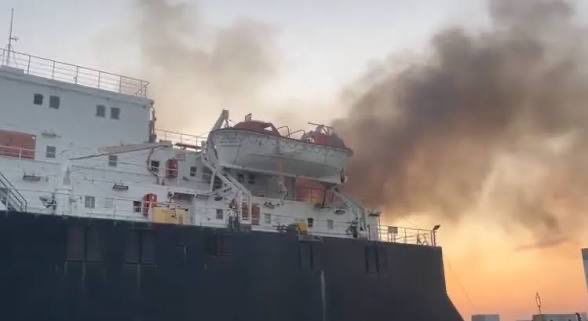

Fifteen sailors, including 13 Indian nationals, are currently trapped on the Tanzania-flagged merchant vessel AMIR1 near Chornomorsk port in the Black Sea. The situation has been described as life-threatening, shedding light on the broader risks faced by Indian seafarers in conflict zones.
The Dangerous Reality for Seafarers in Conflict Zones
The Forward Seamen’s Union of India (FSUI) has raised alarms about the dire conditions the crew is facing. Constant threats from missile and drone strikes add to their perilous situation. FSUI has urgently called upon the Indian government, along with shipowners and international authorities, to prioritize the safety and repatriation of these seafarers. They stated, “Indian seafarers must not be left as sitting targets in conflict zones. Act now.” The inappropriate handling of these issues points to systemic neglect that may be influenced by geopolitical concerns.
India’s Response and International Concerns
In the wake of these alarming circumstances, India’s embassy in Ukraine has taken notice of the plight of MV AMIR1. Authorities claim the matter is being treated with the utmost urgency, while maintaining continuous communication with relevant parties. The broader context around this incident reveals a rising trend of violence aimed at commercial vessels operating in the Black Sea, particularly following the Ministry of External Affairs advisory highlighting increased dangers for Indian nationals.
Rising Threats in the Black Sea
Since April 2026, attacks on shipping have escalated, resulting in the tragic loss of five Indian lives in recent months. For instance, incidents such as the July 18th death of Chief Officer Sagar Gupta on MV OMORFI and the killings of four Indians near Odesa on July 19th serve as grim reminders of the volatility in the region. Ukrainian officials have persistently alerted India’s government regarding Russian threats to civilian navigation, indicating that international politics deeply intertwine with maritime safety. The ongoing conflict has rendered the Black Sea a hazardous environment for commercial shipping, exacerbating the situation for Indian seafarers.
Why It Matters
This situation emphasizes the vulnerabilities faced by Indian Muslims and other minority groups within the maritime labor sector, especially in conflict zones. Discrimination and social exclusion can influence the level of government response to such crises. The prominence of these issues raises the question of whether minorities receive equitable protection and support. Moreover, this incident highlights the need for multi-national regulations to safeguard maritime workers across all nations, irrespective of their nationality, religion, or background. A lack of decisive action may further endanger seafarers and expose them to unnecessary risks.
Frequently Asked Questions
What is the current status of the sailors on MV AMIR1?
Fifteen sailors, including 13 Indians, are trapped aboard the vessel near Chornomorsk port in Ukraine and are facing life-threatening conditions due to the ongoing conflict.
What actions are being taken by the Indian government?
India’s embassy in Ukraine has acknowledged the issue and is communicating with all relevant parties to prioritize the sailors’ safety and prompt repatriation.
What risks are Indian seafarers facing in the Black Sea?
Indian seafarers have faced heightened risks from missile and drone strikes, particularly in light of increased attacks on commercial vessels in the Black Sea since April 2026.
How has the situation affected the perception of Indian Muslims?
The incident raises worries about the level of governmental support provided to minorities like Indian Muslims, especially in conflict zones, where discrimination and social exclusion may severely influence responses.