
Across India, the socio-political landscape for Muslims has shifted dramatically, with recent electoral developments providing the Bharatiya Janata Party (BJP) unprecedented control over some of the largest populations of Muslims in the country. This consolidation of power raises significant concerns about discrimination, social exclusion, and the erosion of civil rights for Indian Muslims.
The Political Landscape Post-Election
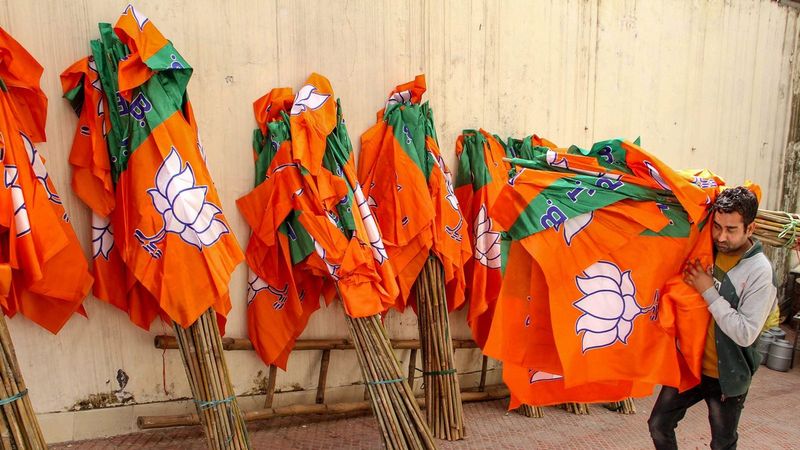
Recent elections have seen a pivotal change in governance in states with significant Muslim populations, namely Uttar Pradesh, Bihar, West Bengal, and Assam. The BJP, under the leadership of Samrat Choudhary in Bihar and following its victories in West Bengal, has now extended its influence to nearly a quarter of India’s Muslim population. Historically, Indian Muslims were not solely governed under a single party, particularly since 1967. This marks a notable shift, as the BJP’s governance often underscores a narrative that emphasizes religion over national identity, categorizing Muslims primarily as ‘Muslims first, Indians second.’
Economic and Social Marginalization
Indian Muslims historically face sustained economic and social marginalization, particularly in the northern states where they predominantly reside. Based on the 2011 census, Muslims made up nearly 15% of India’s population, which translates to over 100 million individuals today due to population growth. However, many of these communities also grapple with poverty, illiteracy, and limited job opportunities. Factors like lack of infrastructure, inadequate education, and minimal state support have kept these communities further marginalized.
While being Muslim undoubtedly plays a role in their identity, pressing issues like electricity, road access, land, education, and employment often take precedence in their political affiliations and demands. In regions where the BJP has emerged victorious, political campaigning has increasingly politicized these basic needs, often framing them in a manner that could demonize Muslim identities and contributions.
Emerging Leadership and Responses
The mounting challenges faced by Indian Muslims have spurred a nascent movement toward collective political leadership. The protests at Shaheen Bagh represented a significant shift, featuring local leaders and community figures who responded not merely to religious persecution but also to civic issues that extend beyond religious identity. This shift may signal an evolution in Muslim political identity that seeks to unify diverse factions under common civic goals.
However, the future of such leadership is uncertain. While the Owaisi-led All India Majlis-e-Ittehadul Muslimeen might attempt to assert influence, its limited geographic base in southern India raises doubts about its broader representation in northern states. Localized responses against state-led discrimination might eventually invoke a more profound engagement with civic identity, yet this new leadership may struggle against the prevailing narratives of the BJP that marginalize Muslim contributions to society.
Why It Matters
The current situation presents critical implications for governance, civil rights, and societal cohesion in India. The BJP’s techniques of consolidation, paired with a lack of effective responses to communal violence, reflect significant challenges in the protection of minority rights. This scenario must be closely monitored, as it highlights the delicate balance in safeguarding democratic values against the backdrop of rising majoritarianism. For policymakers, civil rights organizations, and international observers, understanding these dynamics is key to addressing inequality and fostering dialogue that accommodates the pluralistic nature of Indian society.
Frequently Asked Questions
What are the main issues facing Indian Muslims today?
Indian Muslims face socio-economic marginalization, including limited access to education, employment opportunities, and basic infrastructure. Furthermore, there is a growing concern about communal violence and systemic discrimination aggravated by political narratives.
How has the BJP’s governance affected Muslims in these states?
The BJP’s governance has led to increased political focus on religious identity over civic rights, with policies that often marginalize Muslims and politicize their socio-economic concerns, creating an environment of fear and marginalization.
What are the implications of a unified political landscape for Indian Muslims?
A unified political landscape under the BJP raises the possibility of sustained scrutiny and collective response from Muslims, who may increasingly identify and mobilize around shared civic issues instead of solely religious concerns. However, the effectiveness of this emerging leadership remains uncertain.
What can be done to support Indian Muslims facing discrimination?
Support can come from various fronts, including policy intervention from the government, advocacy from civil society organizations, and greater representation in media and political discourse that highlights their issues and contributions to society.