
Uttarakhand Government Discontinues Grants for Madrasas
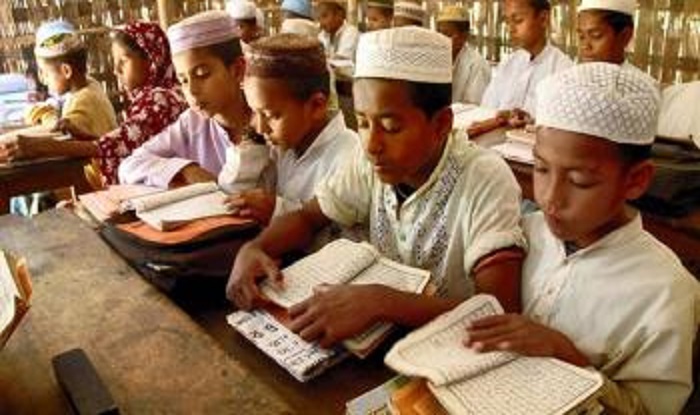
The Uttarakhand government’s recent decision to terminate state grants for 456 madrasas from the 2027-28 financial year has ignited strong opposition from various Muslim leaders and organizations. This move follows the dissolution of the Madrasa Board and the establishment of the Uttarakhand State Minority Education Authority, which supporters claim aims to streamline the regulation of minority educational institutions.
Structural Changes in Minority Education
Under the leadership of Chief Minister Pushkar Singh Dhami, the state Cabinet approved a proposal to cease financial support through the now-defunct Madrasa Board. The reforms have transitioned towards a new educational framework, intending to enhance the quality of education for minority communities by consolidating oversight under the Uttarakhand State Minority Education Authority.
Additional Secretary in the Chief Minister’s Office, Banshidhar Tiwari, explained that the previous grant system was deemed redundant since the Madrasa Board ceased functioning on July 1. The new authority will only recognize institutions that elevate educational standards and align with newly established criteria, thus potentially limiting the reach and resources available to traditional madrasas.
Impacts on Educational Qualifications and Minority Rights
The restructuring has resulted in traditional madrasa qualifications—such as Maulvi, Alim, and Munsi—now being unrecognized for government job applications. Government officials argue that integrating these students into the Uttarakhand Education Board will furnish them with qualifications that are valid within mainstream employment sectors. However, many community leaders perceive this change as a direct threat to religious education and minority rights.
Opposition leaders, including the President of the All India Muslim Jamaat, Maulana Shahabuddin Razvi Bareilvi, have voiced concerns that the administration is purposefully hindering the educational advancement of Muslim youth. Furthermore, responses from figures like Jamaat-e-Islami Hind’s Mohammed Saleem Engineer stress the crucial role that madrasas play not only in imparting Islamic education but also in offering vital instruction in subjects like Hindi and English, contributing to the overall educational landscape in India.
Responses and Ongoing Implications
The decision has sparked backlash from various political and community leaders, labeling it an infringement on constitutional rights. The Samajwadi Party’s Ziaur Rahman Barq emphasized the necessity of equal rights for all communities, suggesting that state policies should not disproportionately target specific groups. Conversely, some leaders, like the President of the All India Imam Association, Maulana Sajid Rashidi, highlighted that community-supported madrasas would remain relatively unscathed, as they do not depend on state financing.
As tensions rise, the tension between government policy and minority rights is becoming increasingly pronounced. Critics argue that the move represents a broader trend of marginalization and social exclusion facing Indian Muslims under the current ruling party, further exacerbating inter-community divisions in a country already grappling with diverse socio-religious dynamics.
Why It Matters
This evolving landscape reflects a significant shift in the relationship between the state and minority educational institutions. The administrative changes and the potential withdrawal of financial support signify a possible disenfranchisement of specific demographics, raising concerns about the long-term impacts on minority rights and education in India. The transition could lead to a decrease in the accessibility of education for marginalized communities, ultimately jeopardizing the principle of inclusive nation-building.
Frequently Asked Questions
What is the Uttarakhand State Minority Education Authority?
The Uttarakhand State Minority Education Authority is the newly established body that has replaced the Madrasa Board, tasked with the recognition, regulation, and monitoring of minority educational institutions in the state.
Why were state grants for madrasas discontinued?
The state government claims that the grant system became redundant following the dissolution of the Madrasa Board, arguing that it was necessary to streamline and improve the administration of minority education.
How will this decision affect students enrolled in madrasas?
Many traditional madrasa qualifications will no longer be recognized for government job applications, potentially hindering students’ employment opportunities unless they transition to the Uttarakhand Education Board for certification.
What are the reactions from the Muslim community regarding this decision?
The decision has been met with strong opposition from various Muslim organizations and political leaders, who view it as an attack on minority educational rights and an effort to curtail Islamic education in the community.