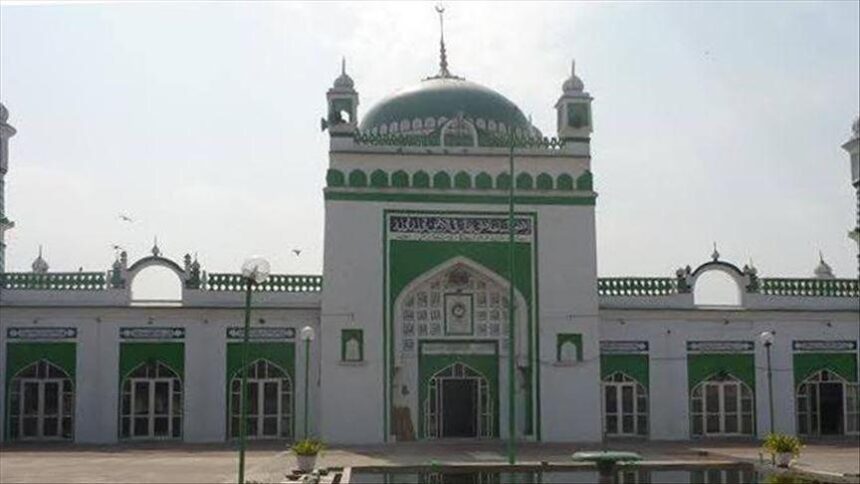

Targeted Demolitions of Muslim Religious Institutions in Rajasthan
In a concerning development, a recent report by the Association for Protection of Civil Rights (APCR) accuses the Rajasthan government of systematically targeting Muslim places of worship, including mosques and shrines, through demolition and eviction drives. The report highlights allegations of due process violations, despite official claims that these actions are aimed at removing illegal encroachments.
Details of the Report
Released over the weekend, the APCR’s fact-finding report titled Notices, Faith and Justice documents 71 cases involving Muslim religious institutions. The majority of these incidents occurred in Barmer district, with 63 cases reported there, while eight were recorded in Jaisalmer. The report indicates that a total of six mosques have been demolished in Barmer, one mosque in Jaisalmer, and additional religious structures were destroyed in Bikaner. Notably, several cases are still pending judicial review, raising concerns about the continued application of demolition actions against these institutions.
Legal and Procedural Concerns
The report raises significant concerns about the legal procedures surrounding the eviction notices. APCR documented that many notices, though dated June 11, were only delivered on June 17, providing recipients with as little as one day to respond ahead of scheduled hearings. In some instances, notices were sent via WhatsApp or posted on mosque walls. Moreover, residents reported that officials often did not meet with them on the designated hearing dates, which led to claims that they were denied a meaningful opportunity to contest the demolition orders. This lack of due process suggests systemic issues in the enforcement of these eviction rules.
Government Response and Community Allegations
Officials from the Rajasthan government contend that the demolition campaign is part of a larger anti-encroachment drive related to border security within a 50-kilometer zone along the India-Pakistan frontier. The government asserts that unauthorized structures are being targeted regardless of religious affiliation. However, APCR’s findings indicate a stark disparity: residents allege that religious structures associated with communities other than Muslims have escaped similar scrutiny, fueling suspicions of selective enforcement based on religion. The report calls for an independent investigation to examine whether the demolition campaign is being conducted fairly.
Why It Matters
This situation highlights broader issues of discrimination and marginalization faced by Muslim communities in India. The targeted demolition of places of worship not only undermines religious freedom, but can also serve to further alienate communities already poised on the margins of society. The ramifications extend beyond local demographics, affecting social cohesion and leading to broader existential questions regarding the country’s commitment to secularism and equal treatment under the law. As rights organizations voice concerns about systemic discrimination against Muslims, the need for transparency and accountability in governmental actions becomes increasingly critical.
Frequently Asked Questions
What is the main accusation against the Rajasthan government?
The main accusation is that the Rajasthan government is systematically targeting Muslim places of worship for demolition, despite claiming the actions are part of a general anti-encroachment drive.
How many cases of demolition were documented?
The APCR documented a total of 71 cases involving Muslim religious institutions, with 63 located in Barmer district and eight in Jaisalmer.
What legal concerns are raised in the APCR report?
The report highlights significant legal concerns, including the inadequate time provided to respond to demolition notices and the questionable methods of delivering those notices, such as using WhatsApp or posting them on mosque walls.
What has been the response from the Rajasthan government?
Officials from the Rajasthan government have stated that the demolitions are part of anti-encroachment efforts related to law enforcement and land management, denying any specific targeting of religious communities.