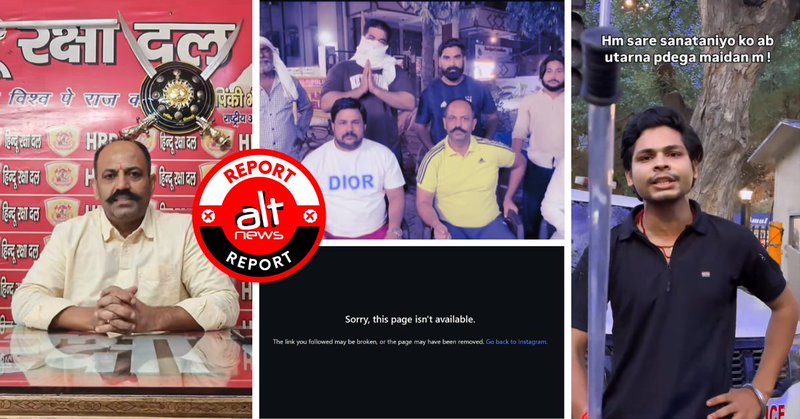

A recent series of social media posts by Hindutva leader Pinky Chaudhary and others have called for violence against student protesters in Delhi, urging ‘Sanatanis’ to gather in the capital. The alarming nature of these posts, which garnered millions of views, has raised concerns regarding the promotion of hate and incitement to violence, especially following a severe police crackdown on July 20 that left many demonstrators injured.
Background on the Incident
The protest at Delhi’s Jantar Mantar on July 20 became a flashpoint for escalating tensions. Thousands of demonstrators, demanding their rights and protections, faced a heavy-handed response from law enforcement. Reports indicate that hundreds were injured, with some requiring hospitalization due to the severity of the police actions. This crackdown has exacerbated the already volatile atmosphere surrounding the protests, making the calls for violence by figures like Pinky Chaudhary particularly distressing.
Pinky Chaudhary’s Social Media Influence
With a significant following on platforms like Instagram, Pinky Chaudhary has used his social media presence to mobilize political sentiments. The posts in question received staggering view counts, with one video alone amassing over 7.3 million views before it was taken down following intervention from media watchdogs like #AltNews. The messages not only urged followers to gather but also explicitly encouraged violence against protesters, showcasing how online spaces can be weaponized to incite physical confrontations.
The Response from Authorities and Communities
In light of these developments, there have been calls for accountability from various civil society groups and political opposition. Many argue that the inaction of authorities against such incendiary posts reflects a growing trend of normalizing violence in political discourse. While some officials have expressed concern, critics point out that mere statements without substantial action do little to mitigate risks or secure the safety of protesters who continue to advocate for their rights. This dynamic poses a challenge for governance in a country where freedom of expression coexists with escalating tensions between various ideological factions.
Why This Matters
The events surrounding the protests and the subsequent calls for violence underscore a critical moment in Indian politics. The incitement to violence by respected figures from the Hindutva ideology challenges not only the fabric of democratic discourse but also raises fundamental questions about the safety of protesters. In a landscape fraught with communal tensions, these developments can have far-reaching implications on social harmony and political stability in India. As citizens, understanding the impact of such rhetoric is essential for safeguarding the principles of democracy and civility in public discourse.
Frequently Asked Questions
What incited the police crackdown in Delhi?
The police crackdown was a response to large-scale protests at Jantar Mantar, where demonstrators were advocating for various civil rights and protections. The aggressive police measures resulted in numerous injuries among protestors.
Who is Pinky Chaudhary?
Pinky Chaudhary is a leader of the Hindu Raksha Dal, known for his controversial and often provocative statements regarding political and social issues in India.
What was the response to Chaudhary’s social media posts?
Chaudhary’s calls for violence received widespread condemnation, and some posts were removed after intervention by media watchdogs like #AltNews. This has spurred discussions on the responsibilities of social media platforms in moderating hate speech.
Why is this situation significant for India?
This situation highlights the dangerous intersection of social media, politics, and incitement to violence in India. It raises crucial questions about the role of leaders in shaping public sentiment and the responsibility of authorities to protect democratic processes and citizen safety.