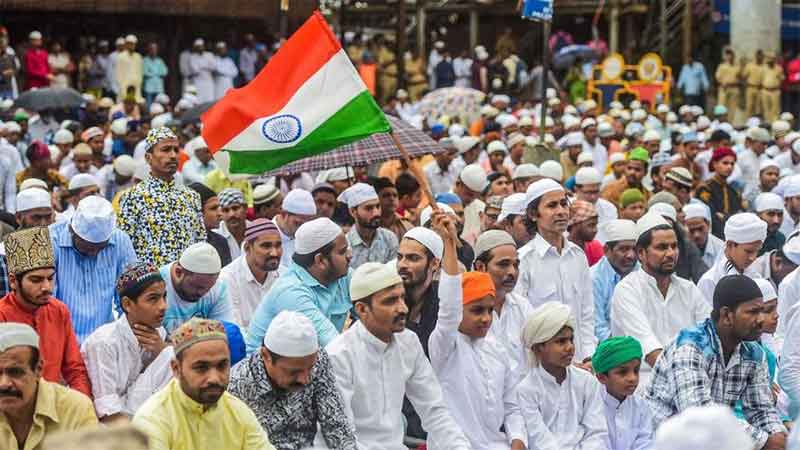

Indian Muslims have experienced increasing discrimination and social exclusion under the current BJP regime, driven by a broader narrative that prioritizes political expediency over community well-being. This trend reflects a strategic use of societal divides to consolidate power, while simultaneously stifling the community’s potential for growth and resilience.
Political Exploitation and Social Marginalization
Over the last few years, Indian political dynamics have increasingly marginalized Muslims through policies and propaganda that exploit their identity. The BJP and its affiliate organizations, like the Sangh, have strategically positioned Muslims as antagonists, framing various community issues such as Triple Talaq and the Uniform Civil Code not as societal matters needing resolution, but rather as political tools for division. This manipulation actively hampers social cohesion and invokes a cycle of reactionary behavior among Muslims, hindering positive engagement and constructive dialogue.
The Necessity of Proactive Narratives
To combat this marginalization, it is crucial for the Muslim community to shift from merely reacting to societal provocations to cultivating a proactive narrative. Many studies have shown that communities dedicated to long-term strategy rather than immediate defense witness greater innovation and resilience. This shift would entail focusing on education, economic independence, and moral leadership, enabling them to shape their futures rather than defensively reacting to external challenges. A narrative that emphasizes progress and self-reliance could catalyze necessary transformation, moving beyond emotional responses to actions reflecting a shared vision for success and dignity.
Education as a Foundation for Empowerment
In tandem with proactive narratives, educational reform is vital for building a resilient community. The current job market is transforming rapidly, with automation predicted to displace millions of jobs while simultaneously creating new roles requiring advanced skills. By enhancing educational initiatives that blend STEM with critical thinking and media literacy, the Muslim community can equip its youth with the skills necessary for future success. Learning must extend beyond conventional classrooms, engaging young minds in emerging fields like AI and data science. This forward-thinking approach is not merely desirable; it is essential for securing economic opportunities and progressive societal change.
Why It Matters
The marginalization of Indian Muslims threatens not just community members but the societal fabric of India as a whole. Discrimination stifles innovation and economic participation, while societal division fosters conflict and unrest. An inclusive approach that encourages education, proactive narratives, and community resilience is essential for the overall stability and growth of the nation. Fostering dialogue and cooperation can yield significant benefits, allowing all communities to thrive in India’s diverse society.
Frequently Asked Questions
What are the key challenges faced by Indian Muslims today?
Indian Muslims encounter various challenges including political marginalization, social exclusion, and economic boycotts, exacerbated by government narratives that frame them as adversaries.
How can the Muslim community shift their narrative?
By focusing on proactive strategies, including educational advancement and building economic self-reliance, the community can create a positive narrative that emphasizes growth rather than reaction.
What role does education play in community empowerment?
Education equips the younger generation with essential skills, enabling them to compete in an evolving job market and fostering long-term economic independence and societal contribution.
Why is it important for the Indian Muslim community to innovate?
Innovation is crucial for community resilience against marginalization, ensuring that members can navigate economic changes and positions of societal influence effectively and sustainably.