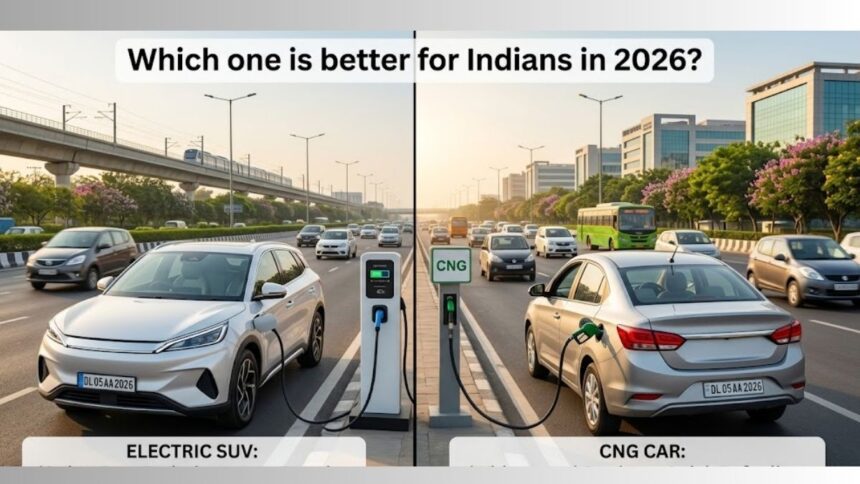

As fuel prices continue to rise and environmental concerns escalate, many Indians are weighing the benefits of electric vehicles (EVs) against compressed natural gas (CNG) cars. While both options can lead to lower running costs, they cater to different needs, influenced by factors like driving habits, infrastructure, and initial investment costs.
Understanding Electric Vehicles in India
The electric vehicle market in India is experiencing rapid growth, driven by technological advancements in battery systems and an expanding network of charging stations. Major metropolitan areas like New Delhi, Mumbai, and Bengaluru are becoming increasingly EV-friendly, with government incentives further encouraging this shift. Electric vehicles are popular for their low operational costs and lack of tailpipe emissions, making them suitable for individuals focused on sustainability.
Moreover, the affordability of home charging presents an attractive proposition for daily commuters. The average electricity cost per unit remains lower than petrol and diesel prices, significantly reducing the daily commute cost for urban drivers. As charging infrastructure improves, range anxiety— a common concern for many— is steadily fading.
The Enduring Appeal of CNG Cars
CNG vehicles, meanwhile, hold a significant market share, particularly for families and those who frequently travel longer distances. With a well-established refuelling network and the convenience of quick refills, CNG cars remain practical choices for many Indian consumers. Major cities boast numerous CNG filling stations, allowing drivers to conveniently refuel during travels.
- CNG is generally more economical than petrol, ensuring lower running costs.
- The refuelling process is quick, with most stations accommodating drivers swiftly.
- Availability of CNG in urban and semi-urban areas makes it appealing for those who travel frequently.
This makes CNG vehicles an ideal choice for drivers who often undertake regional trips, as they can maintain flexibility without the worry of long charging times associated with EVs.
Comparing Running Costs and Convenience
When it comes to the cost of operating a vehicle over time, electric cars generally offer lower costs per kilometer due to cheaper energy prices. However, the upfront cost of EVs tends to be higher, which may deter some buyers from making the switch.
In contrast, while CNG vehicles may incur slightly higher daily energy costs, their more approachable purchase prices can appeal to budget-conscious consumers. For individuals who drive infrequently, the long-term savings of an EV may not offset the initial expense, making a CNG car a more pragmatic option.
What This Means
For Indian consumers, the decision between EVs and CNG vehicles comes down to assessing personal driving patterns, financial implications, and infrastructure availability. While electric vehicles contribute to reduced carbon emissions and can be cheaper to operate in the long run, CNG vehicles maintain a dominant presence thanks to their convenience and affordability. The government’s push for cleaner technologies will inevitably shape future choices, but as of now, understanding one’s driving needs remains critical.
Frequently Asked Questions
Are electric vehicles suitable for long-distance travel in India?
Electric vehicles are more suitable for urban driving where charging infrastructure exists. However, for long-distance trips, range and charging station availability can be concerns, making CNG vehicles a more practical option for such journeys.
What are the maintenance costs like for EVs compared to CNG cars?
Electric vehicles typically have lower maintenance costs as they have fewer moving parts and do not require oil changes. CNG cars tend to have higher maintenance needs but are generally still cheaper to maintain than petrol or diesel engines.
How are government policies affecting the EV market in India?
Government policies promoting cleaner energy, including subsidies and incentives for EV buyers, are fostering growth in the EV market. Simultaneously, support for expanding charging infrastructure is vital for increasing EV adoption.
Which is more environmentally friendly, EVs or CNG cars?
Electric vehicles produce zero tailpipe emissions, making them more environmentally friendly in urban settings. CNG, while cleaner than petrol or diesel, still releases some emissions, although significantly less than traditional fuels.