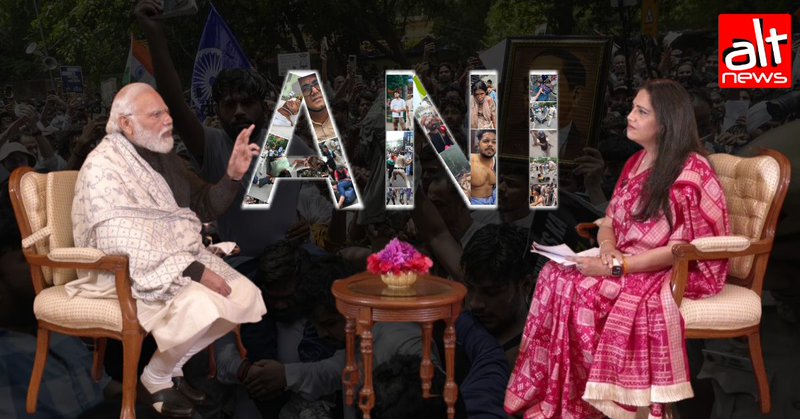

On July 20, during a protest in Delhi, the Asian News International (ANI) faced scrutiny for failing to report on injuries sustained by students amidst a police crackdown. Despite sharing 404 tweets throughout the day, ANI did not mention any student injuries, raising questions about their editorial judgment and potential narrative-building.
Context of the Protest
The protests on July 20 in Delhi were driven by escalating tensions around student rights and institutional governance. The demonstrations drew significant attention from the student community, who were advocating against perceived injustices and demanding accountability from authorities. Unfortunately, the situation quickly escalated, with reports indicating a severe police response that resulted in injuries among protesters.
ANI’s Editorial Choices
As one of the leading news agencies in India, ANI has a considerable influence on how events are reported and perceived by the public. The agency’s decision to ignore reports of student injuries raises critical questions about editorial responsibility. How do the choices of what to report or disregard shape the public narrative? In a day filled with significant unrest, the absence of such crucial information can significantly tilt public perception and discourse.
Impact on Public Discourse
The media plays a vital role in shaping political and social discourse in India. By failing to cover injuries among students, ANI effectively omitted a significant aspect of the protest’s human impact. This lack of coverage can lead to a distorted understanding of the events, undermining the voices of those affected. It also poses a risk of normalizing the marginalization of student voices, a trend that has been observed in various spheres of contemporary Indian politics.
Why This Matters
The omission of key facts in media reporting, especially by prominent agencies like ANI, has far-reaching implications for democracy and civic engagement in India. Such editorial choices affect how the public engages with vital issues concerning rights and freedoms. When critical incidents are underreported or omitted, it raises concerns about press freedom and the influence of governmental or political interests on media operations. For Indian readers, understanding the ramifications of such reporting is essential for fostering a more informed and engaged citizenry.
Frequently Asked Questions
What were the main causes of the protests on July 20?
The protests were driven by student demands for accountability from educational institutions and opposition to perceived injustices within the administrative frameworks. Issues such as student rights, access to education, and institutional transparency were at the forefront.
How did the police respond to the protests?
The police response was reported to be harsh, resulting in a significant crackdown on demonstrators, which included reported injuries among students participating in the protests. This led to public outcry regarding police brutality.
What role does ANI play in the Indian media landscape?
ANI is one of the largest news agencies in India, supplying footage and reports to major television channels and newspapers. Its coverage and editorial choices can significantly shape public discourse and influence the narrative surrounding critical issues.
Why is accurate reporting of protests important?
Accurate reporting ensures that the public remains informed about significant events and their implications. It plays a crucial role in holding authorities accountable and fostering informed civic engagement, which is essential for democratic processes.