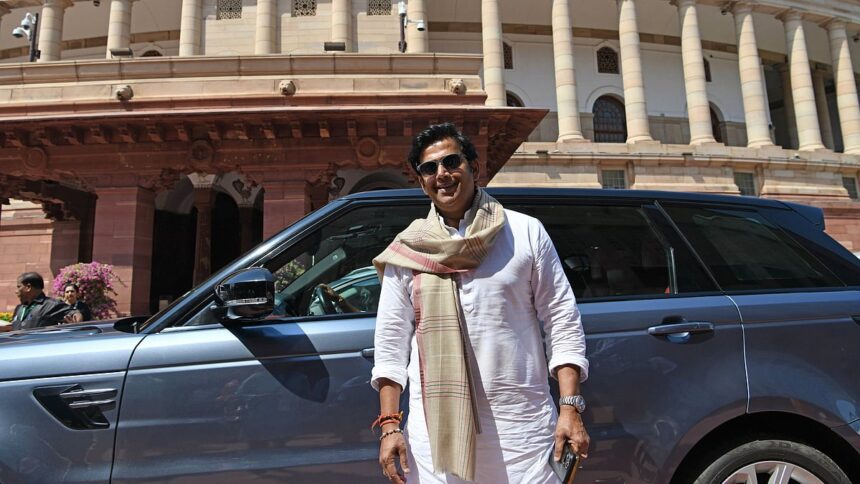

BJP MP Ravi Kishan’s wife has filed a police complaint against a woman, Aparna Thakur, who claims to be Kishan’s wife and alleges that he has denied social recognition to their daughter. The allegations were made during a press conference in Lucknow, leading to legal action as Thakur seeks acknowledgment of her daughter’s rights.
Claims of Marriage and Parental Neglect
Aparna Thakur asserts that she married Ravi Kishan in 1996 in the presence of family and friends. During the press conference, she introduced her alleged daughter, asserting that Kishan remains in contact with them but does not publicly acknowledge their relationship. Thakur’s statements have raised significant questions about the nature of Kishan’s responsibilities as a father and the legitimacy of her claims.
Thakur expressed that her daughter, who recently learned of Kishan being her father at the age of 15, has felt neglected by him. The daughter recounted, “I came to know that Ravi Kishan is my father when I was 15… I used to call him uncle. He even visited our home on my birthdays.” This personal testimony underscores her longing for familial acceptance, which has become a focal point of the ongoing dispute.
Legal Actions and Implications
Following the press conference, Thakur filed a First Information Report (FIR) against Kishan, indicating her determination to seek justice for her daughter. She mentioned that if Kishan does not recognize the rights of their child, she would take further legal steps, potentially leading to a court case. This legal trajectory may not only affect Kishan personally but could also impact his political career, as public figures are often held to higher standards of accountability regarding personal conduct.
Thakur’s claim joins a wider discourse on the responsibilities of public figures, especially regarding familial duties. The outcome of this case may set a significant precedent for similar issues involving politicians and their private lives, particularly when the rights of children are at stake.
Ravi Kishan: The Man Behind the Controversy
Ravi Kishan is a well-known figure in Indian cinema, transitioning into politics as a Member of Parliament for Uttar Pradesh’s Gorakhpur constituency. His dual career as an actor and politician presents a unique public persona that is now being scrutinized amidst these allegations. While his cinematic contributions have brought him fame, this controversy may overshadow his political accomplishments.
As a public representative, Kishan’s handling of this situation will be observed closely, as constituents expect their leaders to set moral examples. If Kishan remains silent or dismissive, it could lead to public backlash, not just from his constituents but also from a wider audience who feel that family harmony is integral to moral leadership.
Why This Matters
The situation surrounding Ravi Kishan and Aparna Thakur raises critical discussions about the intersection of personal and public life for politicians in India. As the nation continues to grapple with issues of accountability and family values, this case serves as a reminder of the complexities facing public figures. The implications of this controversy resonate with a growing demand for transparency and ethical conduct from those in positions of power.
Moreover, as discussions about women’s rights and children’s rights gain traction, this case sheds light on the challenges many face in navigating personal relationships within the public eye. Ultimately, it reflects societal expectations of public officials and the moral obligations they bear as role models.
Frequently Asked Questions
What was the basis of Aparna Thakur’s allegations against Ravi Kishan?
Aparna Thakur alleges that she is married to Ravi Kishan and claims that he does not publicly acknowledge their daughter, leading her to file an FIR seeking recognition of her daughter’s rights.
How has Ravi Kishan responded to the allegations?
As of the latest updates, Ravi Kishan has not publicly commented on the allegations made by Aparna Thakur during the press conference.
What are the potential legal implications for Ravi Kishan?
If Thakur proceeds with her court case to seek acknowledgment of her daughter’s rights, it could have substantial implications for Kishan’s personal life and political career.
What does this incident say about political accountability in India?
This incident emphasizes the demand for greater accountability from public figures in India, especially concerning their obligations to family and children, as society expects leaders to be ethical role models.