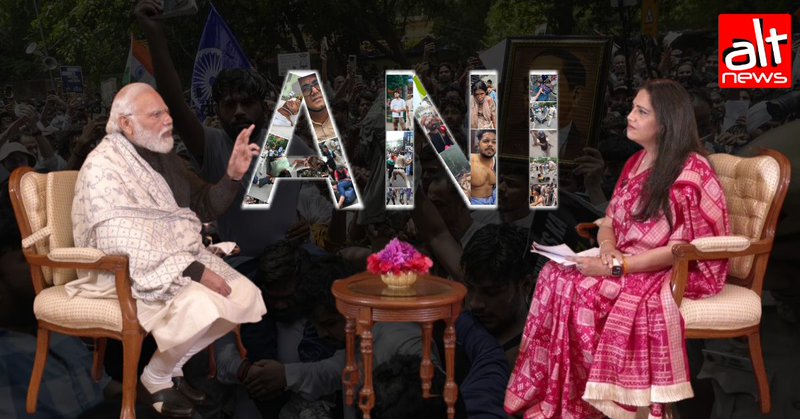

The recent incident in Delhi where multiple students were injured has sparked outrage, particularly due to the lack of media coverage from Asian News International (ANI). On July 20, ANI did not post a single update regarding the students, indicating potential negligence or bias in reporting significant events affecting youth in the capital.
Context of the Incident
The injuries to students in Delhi are a part of an ongoing series of protests related to various socio-political issues in India. Students have often taken to the streets to voice their concerns about educational reforms, employment opportunities, and governmental policies. However, the response from mainstream media, particularly ANI, raises questions about the representation and visibility of youth voices in national discourse. ANI, as a dominant news agency in India, has the power to shape narratives, making its silence on the issue particularly telling.
The Role of ANI in Indian Media
Asian News International has long held a prominent position within India’s media landscape, delivering news footage to several television channels. This influence allows ANI to set the agenda on which stories receive traction and which are overlooked. The absence of reporting on significant events, such as student injuries during protests, is alarming. It reflects a trend where critical issues affecting marginalized groups are sidelined, thus raising concerns about journalistic integrity and accountability.
Public Reaction and Digital Discourse
The lack of coverage by ANI did not go unnoticed. Social media platforms became a space for public outrage, where users criticized the agency for failing to report on the plight of injured students. Many took to platforms like Twitter to express their frustration, calling out mainstream media’s selective reporting. This digital discourse underscores the role of social media as an alternative space for activism and journalism, where grassroots voices may challenge broader media narratives.
Why This Matters
The significance of ANI’s inaction on this matter is multifaceted. First, it signals a broader issue in Indian journalism where certain stories may be ignored based on political or commercial interests. For young people, who rely on media representation for their issues, this lack of coverage can foster feelings of disenfranchisement. Furthermore, in a democratic society, it is vital for press freedom to flourish without biases that could influence the public’s perception of social justice issues. This event calls for introspection within media circles regarding the ethical responsibilities they hold towards society.
Frequently Asked Questions
Why did ANI not cover the students’ injuries in Delhi?
While the exact reasons for ANI’s lack of coverage remain unclear, it is suggested that the agency may be prioritizing sensational news over serious issues affecting marginalized communities, thus neglecting critical youth narratives.
What is the impact of such media negligence on public perception?
Media negligence can result in public apathy towards critical issues, as the mainstream narrative may shape what is deemed important or worthy of attention. This can undermine democratic discourse and activism by silencing pressing concerns faced by young people.
How does social media influence news coverage in India?
Social media serves as a platform where marginalized voices can express dissent and challenge mainstream narratives. In instances where traditional media fails to report critical news, social media can amplify these stories, allowing them to gain traction and visibility.
What can be done to improve media coverage of student issues in India?
To improve coverage, media outlets must recognize their responsibility to represent all societal segments equitably. This includes prioritizing stories relevant to students and the youth, as well as fostering a culture of transparency and accountability in journalism.