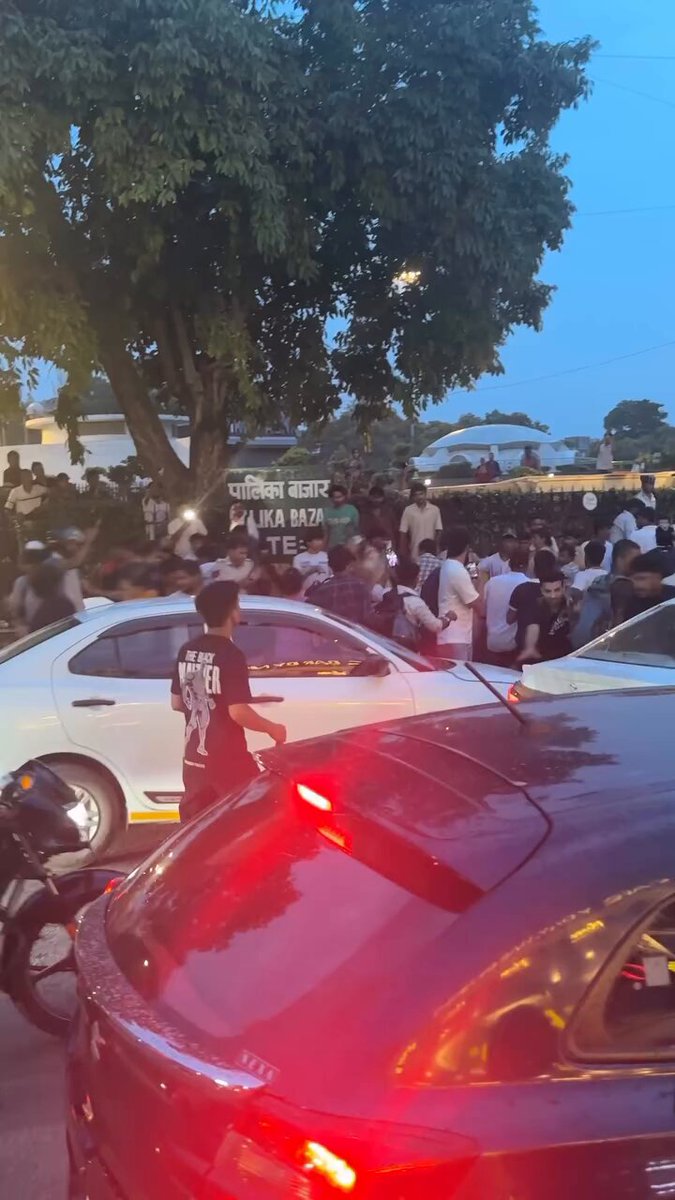

The recent actions of Delhi Police personnel in plain clothes towards student protesters have raised serious concerns about policing methods in India. Videos circulating on social media show these officers, with their faces concealed, handling demonstrators in a manner reminiscent of counter-terrorism tactics, prompting widespread criticism and questions regarding the militarization of police forces against citizens exercising their democratic rights.
Context of the Protests
The protests in question have emerged from a wider discontent among students regarding various governmental policies, particularly those related to education and civil rights. These protests often serve as a critical platform for students to voice their demands and advocate for their rights. As India’s youth grows increasingly vocal about issues such as rising tuition fees, inadequate job opportunities, and perceived governmental overreach, tensions between protesters and law enforcement have also escalated.
Policing Tactics Under Scrutiny
In the videos that have gained traction online, Delhi Police officers can be seen wearing civilian attire and hiding their faces with handkerchiefs as they confront the protesters. This choice of clothing has sparked outrage among observers and activists, who argue it allows for a level of anonymity that can embolden police to act without accountability. Such tactics mirror methods employed during anti-terror operations—typically associated with more violent and confrontational situations—raising alarming questions about when it is deemed appropriate to treat citizens as potential threats.
Public Reaction and Implications
The public’s reaction to the police’s conduct has been largely critical. Civil rights advocates and concerned citizens have taken to social media, using platforms like Twitter to express their outrage and demand accountability. Hashtags dedicated to the incident have gained traction, indicating growing unrest among the general populace regarding government actions. The visibility of such incidents can lead to greater awareness and organization among protest groups, fueling further resistance to oppressive tactics employed by law enforcement.
Why This Matters
The implications of the Delhi police’s actions extend far beyond the immediate situation involving student protesters. As a democracy, India is founded on the principles of free speech and the right to assembly. The militarization of police tactics against civilians raises alarm bells about the erosion of these fundamental rights. It also signals a potentially worrying trend where dissent is met with hostility, prompting fears that the state may resort to increasingly authoritarian measures to stifle opposition. For Indian readers, understanding the political consequences of such actions is crucial in evaluating the health of the country’s democracy.
Frequently Asked Questions
What sparked the current protests among students in Delhi?
The protests among students in Delhi stem from dissatisfaction with various government policies affecting education and civil rights, including rising fees and limited job opportunities.
Why are Delhi Police personnel wearing civilian clothes during these protests?
The use of civilian clothing allows police to operate with anonymity, a tactic criticized for invoking counter-terrorism methods and raising concerns about accountability in policing.
What are the risks associated with the militarization of police forces against civilians?
Militarized policing can lead to increased violence, the suppression of free speech, and a climate of fear among citizens who may feel that their rights to protest are under threat.
How are citizens responding to these police tactics?
Citizens are responding with outrage, utilizing social media to vocalize their concerns and demanding accountability from law enforcement, indicating a growing discontent with government actions.