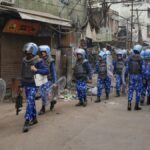
Delhi Police have turned to discarded food wrappers to trace the restaurants and cafes supplying meals to protestors at the Jantar Mantar site, highlighting their efforts to monitor ongoing protests more closely. Owners of these establishments confirmed that police have been reviewing delivery records in an attempt to clamp down on the support provided to the protestors.
Context of the Protests
The Jantar Mantar area has long been known as a prominent site for public demonstrations in India, with various groups convening there to voice their grievances. Recently, a specific protest has drawn significant attention, prompting police investigations to manage the situation effectively. As protests continue, the authorities aim to identify and address all forms of support that sustains the demonstrators, which now includes scrutinizing food supplies.
Police Investigation Methods
The approach taken by Delhi Police involves analyzing discarded food wrappers found at the protest site and linking them to specific outlets through delivery records. This method raises questions about the extent of police surveillance and the ethical implications of monitoring support for protestors. Café and restaurant owners have expressed concern about police intervention in their business operations, as such scrutiny could impact their customer relationships and overall reputation.
Public Response and Implications
The police actions have triggered substantial debate among political commentators and civil liberties advocates concerning the right to protest and the government’s role in regulating civil dissent. Critics argue that this tactic represents an overreach of authority and stifling of free expression, while supporters may view it as necessary for maintaining public order. The varied reactions underscore the complexities surrounding protests in India today, particularly regarding government responses to public pushback.
Why This Matters
The political significance of this investigation extends beyond the immediate circumstances at Jantar Mantar. It raises broader questions about the government’s commitment to democratic principles and civil liberties in India. As protests become more frequent and vocal, the potential for escalating confrontation between citizens and authorities increases. The implications of the police’s actions may influence how future protests are managed and perceived across the country, shaping both public sentiment and policy moving forward.
Frequently Asked Questions
What specific protests are taking place at Jantar Mantar?
Multiple groups have chosen Jantar Mantar as their platform for protest on various issues, including socio-economic grievances and demands for policy change. Recent protests have gathered significant media coverage and public attention.
Why is the police tracing food deliveries?
During ongoing protests, police are concerned about the support structure that sustains demonstrators. By tracing food deliveries, they aim to curtail external aid to protestors, potentially influencing the duration and impact of the protests.
What has been the reaction from restaurant owners?
Restaurant owners have expressed concern about police scrutiny over their businesses. Many report feeling uncomfortable with the invasion of privacy into their operations and fear potential repercussions from law enforcement.
What does this mean for the right to protest in India?
This incident raises important questions regarding the right to protest in India. Critics see the police’s actions as an infringement on civil liberties, while supporters argue for the need to maintain order. The ongoing discussion underscores the delicate balance between governance and freedom of expression.