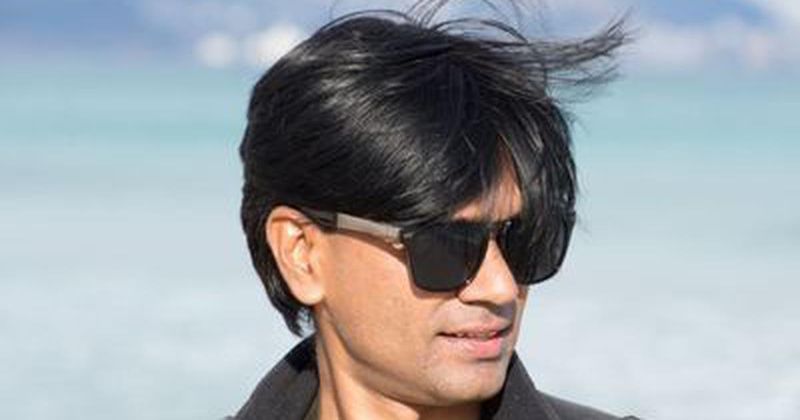

Mohammed Zubair, co-founder of the fact-checking website Alt News, was arrested by the Delhi Police over a 2018 tweet featuring a film still. Authorities claim this tweet has “hurt religious sentiments and promoted enmity,” leading to public outcry and legal scrutiny.
Zubair’s Arrest: The Incident
Mohammed Zubair was taken into custody based on a police complaint made by a seemingly obscure Twitter account, ‘@balajikijaiin’, which accused him of intentionally posting a “questionable” image that insulted a deity of a specific religion. This complaint resulted in the police registering an FIR under Sections 153 and 295 of the Indian Penal Code, which relate to promoting enmity and defiling places of worship.
The incident has raised eyebrows, particularly given that the tweet in question was made in March 2018, indicating that the accusation has emerged years after the actual post. Legal representatives stated that Zubair was granted just one day’s custody after police initially sought a seven-day extension, signaling potential overreach in the legal process.
Legal and Judicial Developments
Zubair’s counsel, Soutik Banerjee and Kawalpreet Kaur, reported that visitation rights for lawyers were allowed but that police rushed to produce Zubair in front of a duty magistrate rather than a regular court. This has sparked discussions about due process and the rights of individuals in similar situations.
Pratik Sinha, co-founder of Alt News, raised concerns on social media about the urgency of the police actions, questioning why Zubair was not allowed to be produced in the regular court the following day when the 24-hour requirement for custody would have been more transparent and orderly. The rapidity of the police’s actions has fed into broader discussions on the treatment of journalists and the implications for press freedom in India.
The Broader Implications for Journalism
This arrest has evoked significant reactions from various quarters, including journalists, political analysts, and civil society. Many view it as part of a worrying trend whereby dissent and critical discourse are stifled through legal means. The case highlights the potential consequences of digital expression, particularly when it intersects with religious sentiments—an area that is often sensitive in India.
As more people consume news and content online, the responsibility of journalists and commentators has intensified, leading to increased scrutiny from authorities. The chilling effect of such arrests on freedom of expression cannot be overlooked, particularly in a democratic society that prides itself on vibrant discourse and accountability.
Why This Matters
The implications of Zubair’s arrest resonate well beyond his individual case. They touch upon the larger issues of press freedom, the protection of dissenting voices, and the accountability of law enforcement in a country that is still grappling with its democratic principles. The incident serves as a reminder of the critical role that journalists play in holding power to account, as well as the dangers they face when their work confronts sensitive topics such as religion and national identity.
For Indian readers, this case not only highlights the ongoing struggles for free speech but also poses a direct challenge to the current political climate wherein dissent is increasingly viewed through a punitive lens. How this situation evolves could serve as a barometer for the future state of journalism in India.
Frequently Asked Questions
What is Mohammed Zubair charged with?
He is charged under Sections 153 and 295 of the Indian Penal Code for allegedly promoting enmity between different groups and defiling places of worship.
Why was the police complaint made years after Zubair’s tweet?
The complaint arose recently from a Twitter account with no substantial following, which claimed that Zubair’s image was intended to insult a deity.
What has been the legal response to Zubair’s arrest?
His legal counsel was allowed to meet him for a brief period, but the police’s request for extended custody was denied by the duty magistrate.
What are the broader implications of this case?
This arrest raises concerns about press freedom in India and the consequences of stifling dissenting voices in a democratic society.