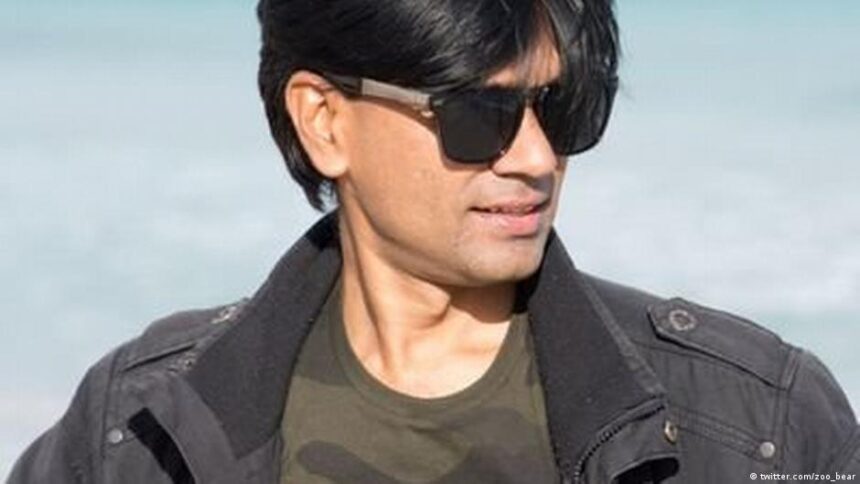

Authorities in New Delhi arrested prominent Muslim journalist, Mohammed Zubair, for a tweet from 2018, which allegedly hurt religious sentiments and promoted enmity. Zubair, a vocal critic of Prime Minister Narendra Modi’s government and co-founder of the fact-checking site Alt News, is seen by many as a target of a politically motivated crackdown on dissent in India.
Context of the Arrest
Mohammed Zubair’s arrest stems from a complaint filed by a Twitter user regarding his 2018 tweet about a hotel being renamed after the Hindu god Hanuman. This complaint led to allegations that Zubair violated India’s laws concerning religious harmony. During his career, Zubair has actively highlighted hate speech from Hindu fringe groups and emphasized issues faced by India’s Muslim minority. His work in fact-checking has made him a prominent figure, particularly in the current climate of political polarization in India.
Legal Proceedings and Reactions
Following his arrest on Monday, the Delhi Police sought to detain Zubair for seven days. However, judicial authorities only granted a one-day custody, with directives to present him before a magistrate. This short duration in custody has raised questions regarding the legal justification for his arrest. Alt News co-founder Pratik Sinha condemned the arrest as illegal, arguing that it undermines journalistic integrity in India. The backlash against his arrest has been swift, with many journalists and activists pointing out that this is part of a broader pattern of targeting dissenting voices.
The Impact of Political Environment on Journalism
Zubair’s arrest has been met with widespread criticism, including condemnation from other journalists like Rana Ayyub, who characterized the arrest as a punishment for challenging the spread of misinformation and hate. Critics assert that this incident exemplifies a troubling trend of suppressing free speech and journalism in India under the Modi government. According to global media watchdog Reporters Without Borders, India fell further in its press freedom rankings, dropping from 142nd in 2021 to 150th in 2022, highlighting growing concerns over journalistic independence and the integrity of media in the world’s largest democracy.
Why This Matters
The arrest of Zubair is emblematic of the increasing tensions between the Indian government and press, particularly concerning issues of religious sentiment and freedom of speech. It raises significant questions about the safety and security of journalists who take on critical roles in society, especially in covering sensitive communal issues. As dissent is stifled, the implications for democracy in India become more profound, leading to fears of an increasingly authoritarian state where truth-tellers are silenced. This case, therefore, goes beyond Zubair himself, touching on the future of journalistic accountability and freedom in India.
Frequently Asked Questions
Who is Mohammed Zubair?
Mohammed Zubair is a Muslim journalist and co-founder of the fact-checking website Alt News, known for his critical reporting on the Indian government and hate speech.
What led to Zubair’s arrest?
Zubair was arrested for a 2018 tweet that reportedly hurt religious sentiments and promoted enmity, following a complaint lodged by a Twitter user.
What actions have been taken against Zubair’s arrest?
Following his arrest, the Delhi Police sought a seven-day custodial interrogation; however, magistrates allowed only one day, indicating potential judicial pushback against excessive police authority.
What is the current state of press freedom in India?
India’s press freedom ranking has been declining, with significant restrictions on journalists, especially those who are critical of the government. The trend raises alarms about the health of democracy in the country.