
Summary
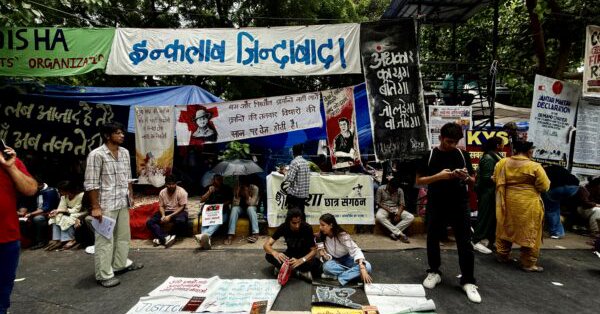
A recent protest at Jantar Mantar reflects widespread public frustration towards the Modi government, particularly in relation to issues such as unemployment, exam scams, and corruption. Protestors, including a prominent voice from the event, express a collective sentiment of disenchantment as they call for accountability from the ruling party.
Context of the Protest
The protest, described as a gathering of the “Cockroach Janata Party,” has mobilized primarily young individuals disillusioned by the political status quo. Participants voiced their grievances about the current government’s failure to address critical issues impacting their futures. Their claims are rooted in concerns over rising unemployment rates, repeated exam scams that undermine the integrity of educational assessments, and ongoing corruption allegations that erode public trust in the political system.
Background on Key Issues
Unemployment in India has been a growing concern, particularly after the COVID-19 pandemic exacerbated job losses. Many recent graduates find themselves in a saturated job market, exacerbated by the government’s inability to create enough job opportunities. Young people are particularly vocal about their frustrations, as they feel the stakes of their futures are directly linked to the government’s policies.
Furthermore, a troubling trend of exam scams and paper leaks has raised alarms regarding the transparency and fairness of educational testing in India. Such incidents not only diminish the credibility of institutions but also contribute to a sense of betrayal among students who invest significant time and resources into their education.
Amidst this backdrop, allegations of corruption have become increasingly prominent. Critics argue that the Modi government has failed to hold individuals accountable for corruption scandals, further alienating citizens who seek reform and integrity in governance.
Public Sentiment and Reactions
The statement made by a protestor at the event encapsulated the sentiment of many participants: “We began with education, but look around, India is here.” This sentiment underscores the multifaceted nature of public dissent, suggesting that the frustrations extend beyond education into broader systemic issues.
Social media activity surrounding the protest indicates widespread support for the movement, with young people utilizing platforms to share their messages of discontent. The reach of these digital engagement moves signifies a shift in how political mobilization occurs within India, particularly among tech-savvy youth invested in social change.
Why This Matters
The protest at Jantar Mantar highlights a critical juncture in Indian politics as public discontent with the Modi government intensifies. The youth-led movement signals a potential shift in political power dynamics, as younger generations increasingly demand accountability and transparency from their leaders. In an age where public sentiment can swing decisively through social media, these protests may reflect a growing willingness among the populace to challenge long-standing political norms. It raises essential questions about the future direction of Indian politics and whether the current government can effectively address the concerns of its citizens.
Frequently Asked Questions
What sparked the protest at Jantar Mantar?
The protest was driven by widespread frustration over issues such as unemployment, exam scams, and corruption under the Modi government, particularly among the youth.
Who organized the protest?
The protest was organized by a group referred to as the “Cockroach Janata Party,” which represents a coalition of frustrated young individuals calling for political accountability.
What are the key demands of the protesters?
The protesters are demanding greater accountability from the ruling government regarding employment opportunities, educational integrity, and transparency in governance.
How has social media played a role in this protest?
Social media has been a significant tool for mobilization, allowing the protestors to reach a broader audience and share their message on frustrations with the political system and their demands for change.