
The recent arrest of two individuals in Bihar has drawn attention to a disturbing incident involving the forced marriage of a Muslim man and woman by a group of alleged anti-social elements. The couple was subjected to harrowing treatment as a result of their religious backgrounds, raising concerns over communal tensions and law enforcement in the region.
Incident Overview
According to reports and a video shared widely on social media, a group described as Hindutva supporters harassed a couple in Kamalpur, Nawada, Bihar, culminating in the forced marriage of a Muslim girl to a Hindu man under Hindu rites. The video depicts the couple being accosted by a mob, where the woman was allegedly coerced into the marriage. Eyewitness accounts label the incident as one of blatant communal harassment, showcasing the rising sectarian divide in the area.
Arrests Made
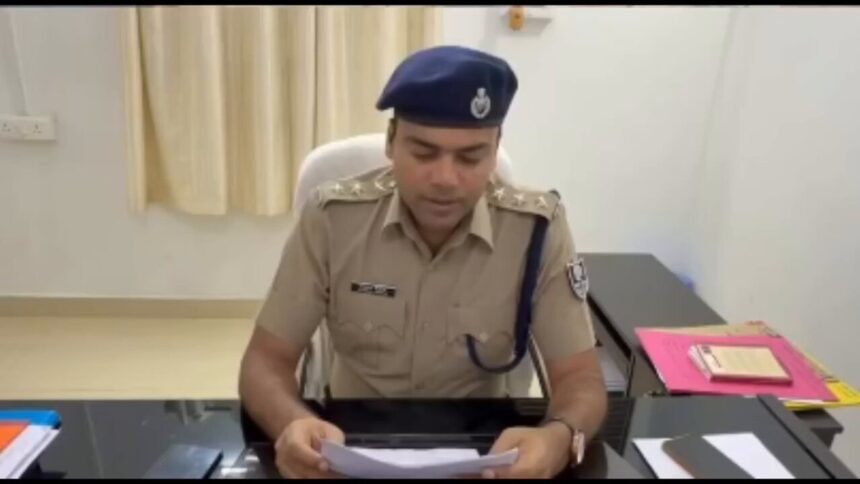
In response to the outcry generated by the video, local police have arrested two suspects identified as Dharmendra Kumar and Bahadur Chaudhary. Their involvement in this distressing event has sparked debates around security and justice for minorities in the region. Authorities have vowed to investigate further and take appropriate actions against others involved. However, the incident has raised questions surrounding the effectiveness of law enforcement in protecting vulnerable individuals from communal violence.
Social Media Amplification
The power of social media has played a central role in bringing this incident to the public’s attention. The original tweet by @TheMuslim786 provided crucial details about the incident, including the specifics of the location and the vehicle involved. Such platforms have become vital in documenting and publicizing instances of sectarian violence, enabling greater accountability and raising awareness. Yet, they also carry risks of misinformation and social unrest, as narratives can quickly polarize communities.
Why This Matters
This incident underscores the ongoing challenges surrounding communal harmony in India. As sectarian tensions simmer, incidents like these threaten not only the safety of individuals but also the broader social fabric. The reaction from local authorities, alongside the societal responses to such events, will be critical in determining whether justice is served and how effectively such incidents can be mitigated in the future. For Indian readers, this highlights the importance of vigilance and advocacy for the rights and safety of marginalized communities amid rising communal tensions.
Frequently Asked Questions
What happened in the incident reported in Bihar?
A Muslim couple was reportedly harassed and forced into marriage by a mob of Hindutva supporters in Nawada, Bihar, according to multiple reports and videos shared on social media.
What actions have the authorities taken following the incident?
Two individuals, Dharmendra Kumar and Bahadur Chaudhary, have been arrested in connection with the incident, and local law enforcement has pledged to investigate further.
Why is this incident significant for communal relations in India?
The incident reflects ongoing communal tensions in India, highlighting the vulnerabilities faced by minority communities and raising concerns over the effectiveness of law enforcement in maintaining peace and justice.
How has social media influenced the coverage of this event?
Social media has played a crucial role in amplifying awareness of the incident. It has allowed for immediate public feedback and accountability, though it also poses risks of misinformation and community polarization.