
Summary
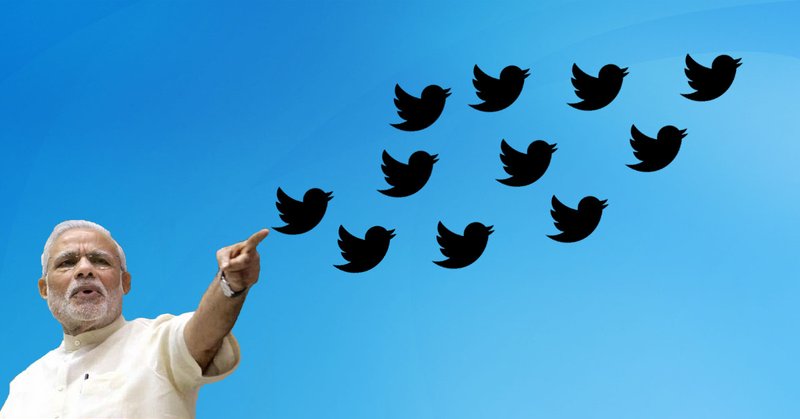
A recent retrospective article highlights a surprising revelation: Prime Minister Narendra Modi follows individuals on Twitter who have been criticized for disturbing behavior, including serial abusers and sexist bigots. This situation sheds light on the implications of political associations in the social media landscape and raises questions about the influence these individuals could potentially have on political discourse.
Context of the Findings
The article published by Alt News in 2017 examines the Twitter following list of Prime Minister Modi, particularly focusing on accounts tied to toxic rhetoric and abusive behavior. Among those highlighted is an individual who infamously demeaned journalist Gauri Lankesh following her murder in 2017. Lankesh was a known critic of the Indian government and her death raised significant concerns over press freedom and the safety of journalists in India.
This social media relationship indicates a troubling association, raising concerns within political circles. The followers of the Prime Minister operate in a space where hate speech and abusive language have become prevalent, often targeting minorities and dissenters. By following these accounts, PM Modi may be perceived as endorsing or at least overlooking their negative influences.
Background on Political Discourse in India
The political landscape in India has been increasingly polarized, largely fueled by social media platforms. Toxicity in political discourse not only reflects the attitudes of individuals but also shapes public opinion and the narrative surrounding key issues. Coupled with government policies, these voices can influence the broader societal ethos.
In recent years, there have been numerous instances of online harassment targeting opposition figures and activists. The Alt News article highlights how certain influencers can contribute to creating an environment that tolerates hate speech, undermining the foundations of democratic debate. This worrisome trend coincides with the rise of nationalist sentiments that often suppress dissenting views.
Consequences of Associations
The ramifications of PM Modi’s social media connections can be far-reaching. Following notorious figures can impact public perception of the government. It raises ethical questions about leadership and accountability when prominent figures publicly align themselves with those who openly propagate violence and misogyny.
As the political climate shifts, the repercussions of these associations could manifest in larger discussions about governance, moral responsibility, and the boundaries of political discourse in India. This may lead to further scrutiny of Modi’s media strategies and the implications for his administration’s response to societal issues like gender violence and media persecution.
Why This Matters
The significance of this discussion lies in its broader implications for Indian society and politics. The followers and the content they propagate can play a significant role in shaping societal attitudes. By fostering connections with controversial figures, there is a risk of amplifying toxic rhetoric, thereby deepening societal divides. This situation calls for a critical examination of political influence in the digital age and its impact on public opinion, governance, and civil society engagement.
Frequently Asked Questions
Why is it concerning that PM Modi follows these individuals on Twitter?
This is concerning because it raises the issue of endorsement by association. Following accounts known for abusive or extremist views can be seen as legitimizing their behavior and rhetoric, which may influence public discourse negatively.
What was the public reaction to the findings in the article?
The public reaction, as noted by many social media users, was one of outrage and disbelief. Many expressed concerns about the implications of such associations and what they represent regarding the government’s stance on issues like gender violence and press freedom.
How does social media influence political discourse in India?
Social media serves as a significant platform for public engagement, but it can also amplify divisive narratives. The toxic speech and harassment often prevalent in these discussions can influence public opinion and create a hostile environment for dissenters.
What are the potential consequences of these associations for PM Modi’s administration?
The potential consequences include reputational damage and increased scrutiny from both the media and the public. It may also lead to criticisms regarding the government’s stance on important issues like media freedom and women’s rights, prompting calls for accountability.