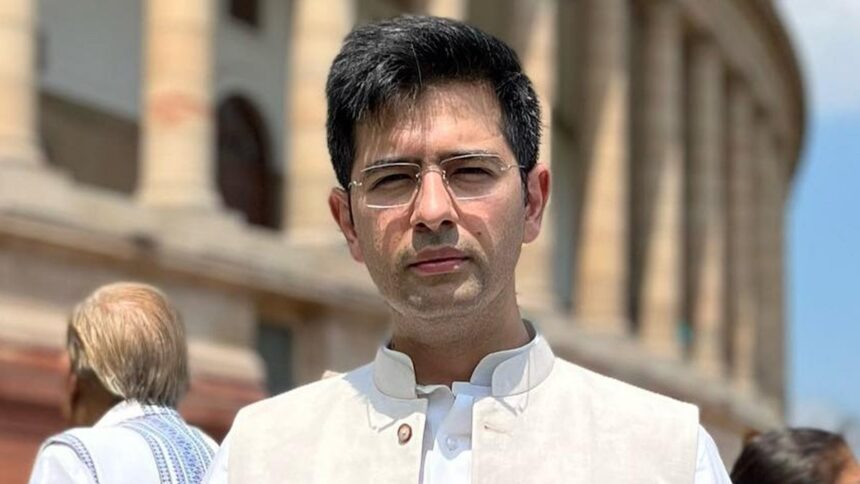

The Delhi High Court has denied an interim order to protect BJP MP Raghav Chadha’s personality rights, indicating that only five of the flagged documents were considered defamatory. Justice Subramonium Prasad stated that the remaining content deemed non-defamatory will continue to remain accessible.
Context of the Case
The issue arose when Raghav Chadha, a prominent member of the Bharatiya Janata Party (BJP), sought legal redress over certain content purportedly harming his reputation. He flagged multiple documents, claiming they defamed him and violated his personality rights. However, the court found merit only in five of these claims, leading to selective removal of content while allowing the rest to remain in circulation.
The Court’s Findings
Justice Subramonium Prasad’s ruling is significant because it underscores a delicate balance in judicial oversight regarding freedom of expression versus individual rights. By choosing to remove only five documents, the judge emphasized the importance of having robust legal backing to label content as defamatory. The court’s approach signifies that not all criticism or unfavorable comments online amount to defamation—a critical interpretation in a digital age where political figures often face scrutiny.
Broader Implications for Political Discourse
This ruling has broader implications for how political figures in India can navigate public discourse and media scrutiny. As the digital landscape continues to evolve, so too does the concept of personality rights versus freedom of speech. The decision suggests that while individuals can seek justice against clear defamatory statements, the court may lean towards protecting free speech, especially in political contexts where public figures are held accountable through criticism.
Why This Matters
This ruling is significant for Indian readers as it sets a precedent regarding the balance between personality rights and free speech. It showcases how the judiciary is increasingly weighing in on contentious issues tied to public life, political accountability, and the right to criticize those in power. For the BJP and other political entities, this case reinforces the understanding that they may have to navigate a complex landscape where public opinion cannot easily be silenced without concrete legal justification. This tension will likely influence future political discourse and legal proceedings involving public figures in India.
Frequently Asked Questions
What does the court’s ruling mean for Raghav Chadha?
The court’s ruling allows Raghav Chadha to have only five pieces of content removed for being defamatory, while other content associated with his name will remain accessible, indicating limits on protecting personal reputation in public discourse.
Why is this ruling important for freedom of speech?
This ruling reinforces the idea that freedom of speech is paramount, even for public figures. The court’s assessment suggests that not all criticism is defamatory and that a robust discussion, even if harsh, is essential in a thriving democracy.
What might this mean for future cases involving political figures?
This decision could lead to a more comprehensive understanding of the line between defamation and free speech. Political figures might need to present stronger evidence to claim defamation if the trend of judicial restraint continues.
How does this affect the average citizen’s ability to speak about politicians?
The ruling suggests that citizens can express opinions about political figures freely, as long as those opinions do not cross into clear defamation. It invites a more vibrant public discourse where accountability is a central theme.