Recent student protests in India have surfaced significant issues of discrimination and exclusion faced by Muslims under the Modi government. These demonstrations, while catalyzing the resignation of Education Minister Dharmendra Pradhan, have also highlighted a troubling divide in Indian politics regarding which voices are heard and represented.
Historical Context of Muslim Exclusion
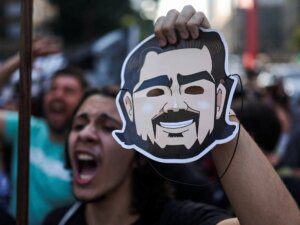
The protests, primarily organized by the Cockroach Janta Party (CJP), saw substantial participation from Muslim students. However, this involvement is set against a backdrop of historical grievances following the brutal repression of the anti-Citizenship Amendment Act (CAA) protests, where many Muslim activists faced state-sanctioned violence and incarceration.
Despite the momentum the CJP was gaining, concerns around Muslim identities were evaded in discussions surrounding the protests. Notably, a spokesperson for the CJP indicated that mentioning Umar Khalid, a prominent Muslim activist still imprisoned, could divide the movement. By setting this boundary, the CJP seemed to prioritize a universal image over the complex political realities faced by Muslims.
Discrimination Manifested in Political Dynamics
The selective engagement by the Indian state with protest movements further emphasizes disparities in how dissent is managed. While the CJP’s protests received negotiation opportunities, leaders and organizers from the Shaheen Bagh protests against the CAA found themselves languishing in prison without trial. This disparity is indicative of a broader pattern where state-sanctioned dialogue is selectively extended to certain groups, primarily those perceived as non-threatening.
The hesitancy to acknowledge Muslim grievances during the CJP movement becomes particularly troubling when assessed against the political memories Muslims carry. Imams even cautioned the community to tread lightly, warning of potential repercussions from police following the anti-CAA protests. The state’s tendency to label Muslims as politically divisive continues to marginalize them within broader political discourse.
Visible Consequences of Exclusion
Instances of direct harm, including police actions targeting Muslim protesters differently, reveal how entrenched discrimination remains. Reports of Muslims facing disproportionate harassment during the CJP protests demonstrate an unwillingness by the movement’s leadership to confront these complexities openly. Activist Muhammad Junaid’s arrest after he provided aid to protesters underscores the truth that the act of protesting as a Muslim carries added risks in India.
While the protests succeeded in causing a significant political shift by leading to the resignation of a minister, they also shed light on the need for a more nuanced and inclusive approach to activism. The challenge lies in ensuring that movements advocate for universal rights without excluding the specific concerns of marginalized communities.
Why It Matters
The ongoing discrimination against Muslims in India has broader implications for human rights and social equity. Understanding this environment is crucial not only for sociopolitical analysts but for global stakeholders invested in democratic practices and social justice worldwide. Such dynamics can incite wider tensions and invite scrutiny of governance structures, raising significant questions concerning the moral fabric of India’s democratic institutions.
Frequently Asked Questions
What are the ongoing issues faced by Muslims in India under the current government?
Muslims face systemic marginalization, including discriminatory laws, targeted policing, and exclusion from political discourse, especially in the context of protests and activism.
How did the CJP protests challenge the Modi government?
The CJP protests successfully generated significant political pressure that led to the resignation of Education Minister Dharmendra Pradhan, demonstrating the youth’s potential to influence governance.
What was the significance of the anti-CAA protests for the Muslim community?
The anti-CAA protests galvanized Muslim political aspirations and underscored the community’s assertion of citizenship rights, marking a pivotal moment in their political engagement.
Why do some protests receive more state negotiation than others?
State negotiation appears to be influenced by perceived legitimacy and threat level; movements that align with the interests of the ruling party may find a more receptive audience compared to those that are seen as challenging the status quo.