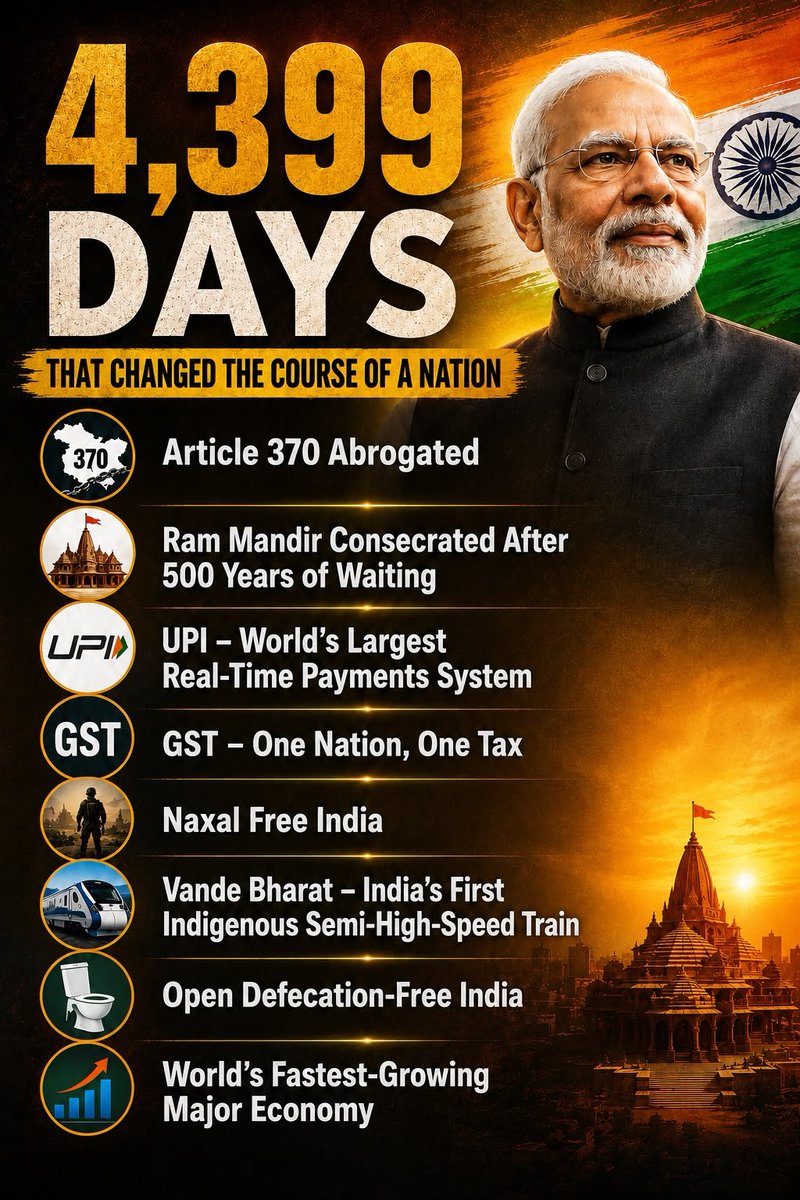

The BJP’s recent tweet celebrating Prime Minister Modi’s tenure highlights several key achievements during his administration, yet notably omits the controversial move of demonetisation. This omission begs the question of its significance in the political narrative surrounding Modi’s governance.
Context of Demonetisation
Demonetisation, announced on November 8, 2016, was a bold move by the Modi government aimed at curbing black money and counterfeit currency. The decision invalidated ₹500 and ₹1,000 notes overnight, leading to widespread chaos and long queues outside banks. While the government presented it as a measure to increase the digital economy and enhance transparency, the sudden implementation had far-reaching consequences.
Critics pointed to the economic disruption caused, including a decrease in GDP growth, job losses, and negative impacts on small businesses. Studies and reports revealed discrepancies in the expected outcomes, raising questions about the efficacy of demonetisation as a policy tool.
The BJP’s Narrative
The BJP’s tweet emphasizes other achievements of the Modi administration, such as the abrogation of Article 370, the consecration of the Ram Mandir, the success of UPI, GST implementation, and improvements in rail transport. By highlighting these milestones while sidelining demonetisation, the party appears to be consciously crafting a narrative focused on positive, transformative policies rather than bringing attention to potentially divisive topics like demonetisation.
This selective representation might be a strategic move as the party prepares for upcoming elections. It enables them to maintain a favorable public image by showcasing accomplishments that resonate more positively with voters, rather than a policy that remains controversial and polarizing.
Critical Reception and Public Sentiment
Since its implementation, public sentiment regarding demonetisation has been mixed. While some support the government’s intent to eradicate black money, many others express disillusionment with the fallout and think it might have exacerbated financial issues for the average citizen.
Political opponents have seized on these sentiments, using demonetisation as a key argument against the Modi government. Distancing the administration from this topic could help the BJP mitigate backlash while focusing on their other achievements which are designed to be viewed favorably.
Why This Matters
The omission of demonetisation from the BJP’s narrative is significant for several reasons. Firstly, it reflects an ongoing effort to shape the political landscape in favor of the government as elections loom. Additionally, it highlights the importance of public perception in determining electoral outcomes. The contrasting narratives by various political factions indicate a divergence in how economic policies are viewed, particularly those that have had controversial implementations.
For Indian citizens, understanding the implications of selective memory in political rhetoric can provide insight into how electoral strategies are formulated. As the country moves forward, interpretations of past policies, especially such impactful ones as demonetisation, could play a critical role in shaping future governance and public trust.
Frequently Asked Questions
What was the primary goal of demonetisation?
The primary goal was to eliminate black money, counterfeit currency, and promote a digital economy through reduced cash transactions.
How did the public react to demonetisation?
Public reaction was mixed; while some supported the move for its long-term benefits, many criticized it for causing immediate economic hardship and disruption.
What were some of the consequences of demonetisation?
The immediate consequences included job losses, economic slowdown, and significant disruption in daily life, especially affecting small businesses.
Why does the BJP highlight certain policies while omitting others?
The BJP focuses on positive achievements to maintain a favorable public image and avoid discussions that could potentially harm their prospects in upcoming elections.