
Summary
A British student, Laith Alani, alleges he was profiled and mistreated as a Muslim during a nine-hour interrogation and subsequent deportation from the US. His experience has raised concerns about the discrimination faced by Muslim travelers, prompting discussions within the UK government and civil rights organizations.
Laith Alani’s Experience
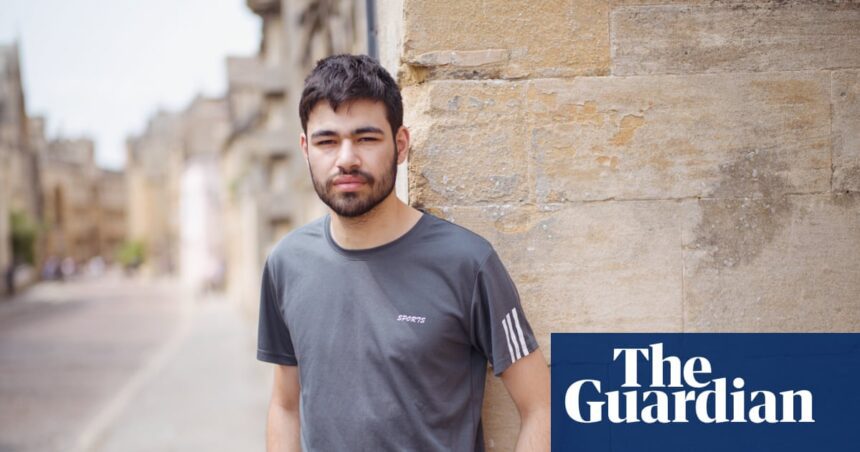
Laith Alani, a 20-year-old law student from Oxford, traveled to Orlando, Florida, intending to enjoy a week at theme parks and meet relatives in California. Instead, upon arrival, he was subjected to thorough inspections by US Customs and Border Protection (CBP). His electronic devices and social media accounts were searched, and he was interrogated about his personal connections and travel history for nearly 24 hours. This invasive treatment left him feeling as if he had been “kidnapped,” compounded by threats of handcuffs and inappropriate questioning. Alani contended he was profiled due to his Muslim background, which he believes influenced the CBP’s decision to declare him inadmissible to the US.
Concerns of Profiling and Discrimination
The treatment of Alani has been part of a larger pattern noted by various Muslim and Arab organizations who worry about the systemic profiling of Muslim travelers at US airports. His local MP, Anneliese Dodds, has raised the issue with the UK’s Foreign Office, criticizing the difficulties that travelers with a Muslim background often encounter. This is not an isolated incident; a recent report highlights multiple cases of British Muslims being detained and interrogated, often with their devices confiscated and searched without proper justification. Such actions contribute to a growing sense of insecurity for Muslim families planning to visit the US.
Official Reactions and Responses
In response to the outcry surrounding Alani’s treatment, CBP stated that the length of his detention was dictated by limited flight availability and that all individuals arriving at US ports are subject to rigorous inspections. However, critics argue that the allegations of racial profiling within CBP’s protocols cannot be dismissed, especially as reports of similar experiences increase. Alani’s claims and the essence of systemic discrimination resonate with the concerns expressed by the Muslim Council of Britain, which highlights the disturbing normalization of such practices against British Muslim travelers.
Why It Matters
The implications of Alani’s experience extend beyond individual testimonies, reflecting broader societal and economic tensions where discrimination against certain groups leads to harmful marginalization. This case highlights the need for a re-evaluation of customs and immigration practices in the US to prevent unjust profiling. For technology developers and policymakers, addressing such biases is crucial in creating systems that are equitable and just, particularly as global travel and interconnectedness increase. The scrutiny of practices such as device searches and prolonged detentions raises questions about personal privacy rights and the ethical considerations governments must navigate when enforcing national security measures.
Frequently Asked Questions
What happened to Laith Alani at Orlando airport?
Laith Alani was detained for nearly 24 hours, interrogated for nine hours, and subsequently deported by US Customs and Border Protection after arriving in Orlando, Florida, for a holiday.
What were the reasons cited for his deportation?
CBP officials stated that “inconsistencies” in Alani’s travel history were identified, leading them to determine he could not overcome the presumption that he was an intending immigrant.
What do Muslim and Arab organizations say about this incident?
Organizations such as the Muslim Council of Britain expressed significant concern over the treatment of Muslim travelers at US airports, stating that such detentions and interrogations have become a troubling trend.
How has the UK government responded to Alani’s case?
Alani’s local MP, Anneliese Dodds, has raised the issue with the UK’s Foreign Office, which has provided him with consular assistance and advised travelers to check the latest travel advice when planning trips to the US.