
Allegations Surrounding Ram Temple Donations Raise Concerns
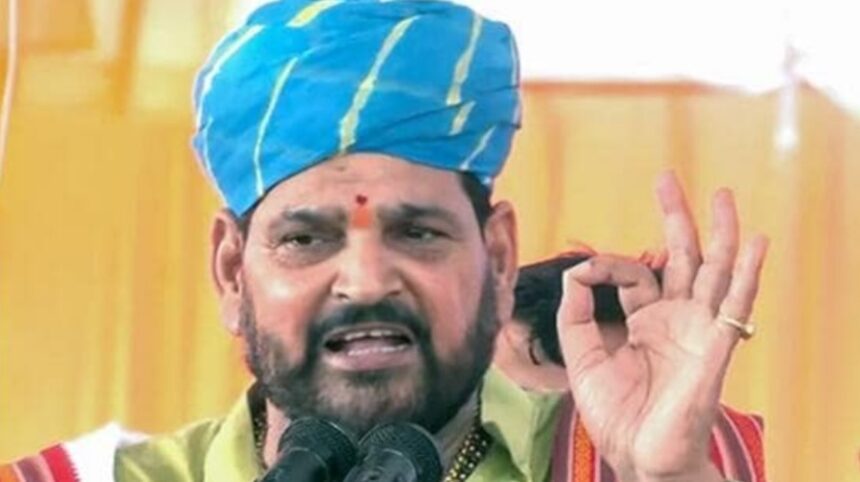
BJP leader and former MP Brij Bhushan Sharan Singh has ignited controversy with his claims of alleged misuse and theft of donations intended for the Ram Temple in Ayodhya. He has refrained from detailing his allegations, worrying about potential retaliation from influential figures. This situation highlights significant concerns regarding transparency and accountability within the governance of religious funds in India.
Singh’s Reluctance to Disclose Information
In a recent statement given at his residence in Vishnoharpur village, Singh expressed a deep reluctance to provide details about the alleged financial irregularities. He stated, “I am a very weak person. If I speak the truth, I will get into trouble because they are very powerful people. I do not have the courage to speak the truth right now. If the time comes, I will speak.” The ambiguity surrounding his “they” raises questions about who may be involved, leaving many to wonder about the broader implications of such allegations on political and financial oversight in the country.
Context of Political Tensions
Singh’s comments have emerged during an ongoing political discourse regarding the management of funds collected for the Ram Temple Trust. Efforts for increased transparency and accountability have intensified, particularly in light of previous allegations surrounding financial mismanagement. His return from a nearly ten-day stint in Delhi coincides with mounting scrutiny towards the BJP and its affiliates concerning their handling of donations. This scrutiny is part of a larger conversation on how political organizations interact with and govern social and religious funds.
Impact on Singh’s Personal and Political Life
In addition to discussing the financial allegations, Singh addressed his challenges stemming from the 2023 wrestlers’ protests, where he faced serious accusations. He acknowledged the lasting impact of these controversies on his life, indicating that the stain of scandal has affected not only public perception but has also posed personal dilemmas. This highlights how public figures in India, particularly from the BJP, are navigating complex political landscapes filled with scrutiny and expectations.
Why It Matters
The controversy surrounding Singh’s statements reflects a larger trend of political discourse in India, particularly concerning religious funding and governance. Questions of transparency in the management of donations for religious structures like the Ram Temple can have far-reaching implications beyond mere financial oversight. They touch upon issues of trust in political institutions, community relations, and societal equity. The scrutiny of donations often reflects broader societal attitudes and tensions, especially regarding marginalization and discrimination against various groups, including Indian Muslims. Understanding these dynamics is crucial for grasping the implications of governance and political power in contemporary India.
Frequently Asked Questions
What were Brij Bhushan Sharan Singh’s allegations about the Ram Temple donations?
Singh claimed that there has been alleged misuse and theft of donations made to the Ram Temple in Ayodhya but did not provide specific details, fearing repercussions from powerful individuals.
Why are these allegations significant?
The allegations raise concerns about transparency and accountability in the management of religious funds, which is a critical issue affecting trust in political institutions and community relations in India.
What impact did Singh say the controversies had on his life?
Singh acknowledged that the controversies stemming from the wrestlers’ protest and other issues have had a profound impact on both his personal life and political standing.
What broader issues do these allegations highlight in Indian politics?
The allegations point to significant concerns regarding governance practices, especially in the context of marginalized communities and the interactions between religious organizations and political entities in India.