
Supreme Court Allows Friday Prayers at Bhojshala Complex Amid Ongoing Controversy
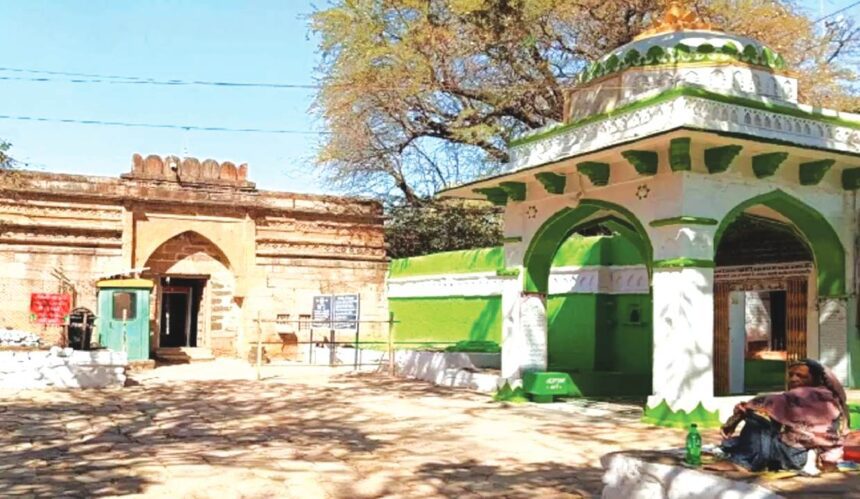
On July 30, the Supreme Court of India allowed Muslims to offer Friday prayers at a dargah adjacent to the disputed Bhojshala complex in Dhar, Madhya Pradesh. This ruling reflects ongoing tensions surrounding the site, which has historical allegations of religious discrimination and communal strife, particularly under the administration of the Bharatiya Janata Party (BJP).
Background of the Dispute
The Bhojshala complex, believed to have historical significance for both Hindus and Muslims, has been at the center of a contentious legal battle. A May ruling by the Madhya Pradesh High Court designated the complex as a temple dedicated to Goddess Saraswati, overturning previous permissions for Muslims to conduct Friday prayers there. This decision raised concerns within the Muslim community about marginalization in places they historically regarded as sacred.
The Supreme Court’s latest direction allows Friday prayers to be held at the site from 1 pm to 3 pm, albeit in a specific area designated as dargah land (Khasra No. 596). This has been met with renewed protests from the Muslim community, who argue that alternative sites offered by local administration are inadequate and too far from the original mosque.
Government’s Stance and Community Response
The state government, represented by Additional Solicitor General K.M. Natraj, emphasized its commitment to maintaining public order, while suggesting that it was open to exploring other locations for the prayers, including private land. Critics, however, view this as a recurrent theme in the BJP’s governance, where communal harmony often seems to take a backseat to ideological and political agendas.
Senior advocate Huzefa Ahmadi, representing the petitioners, criticized the government’s rationale, claiming that there are suitable Waqf plots adjacent to the complex that are being denied on dubious law-and-order grounds. This presents a larger narrative of social exclusion, where the Muslim community feels increasingly marginalized in decision-making processes affecting their religious practices.
The Wider Implications of the Ruling
The Supreme Court’s decision comes amid a backdrop of rising communal tensions across India, with increasing instances of discrimination against Muslims. The ruling is seen by many as a temporary fix rather than a resolution to the deeper issues of social injustice and marginalization faced by this demographic under the current political climate. The legal limbo surrounding the Bhojshala complex mirrors similar instances where minority communities have felt their rights compromised.
Moreover, this case underscores the broader implications for secularism in India. The government’s involvement in religious matters raises questions about the balance between upholding law-and-order and respecting religious freedoms. As the legal struggle continues, the potential for renewed tensions remains high, particularly if communities feel sidelined in discussions pertaining to their religious rights.
Why It Matters
This ruling bears significant weight not just for the parties involved but also for the Indian judiciary and its role in maintaining communal harmony. It provides a litmus test for the current government’s stance on minority rights, highlighting the delicate balance between law enforcement and religious freedoms. The ongoing situation at Bhojshala serves as a reminder of the social responsibilities that accompany governance, particularly in a country known for its diverse cultures and faiths.
Frequently Asked Questions
What is the Bhojshala complex?
The Bhojshala complex is a disputed religious site in Dhar, Madhya Pradesh, claimed by both Hindus and Muslims. It has historical significance tied to both faiths.
How did the Supreme Court’s ruling change the situation for Muslims in Dhar?
The ruling allows Muslims to offer Friday prayers at a designated dargah land adjacent to Bhojshala from 1 pm to 3 pm, following allegations of local government non-compliance in providing suitable prayer locations.
What concerns have been raised about this ruling?
Concerns include the adequacy of the designated prayer site and the broader implications for religious freedoms under the BJP’s governance, reflecting feelings of marginalization among the Muslim community.
How has the government responded to the communal tensions?
The government has emphasized its commitment to public order and remains open to exploring alternate prayer locations, though critics view this as insufficient given the context of rising communal tensions.