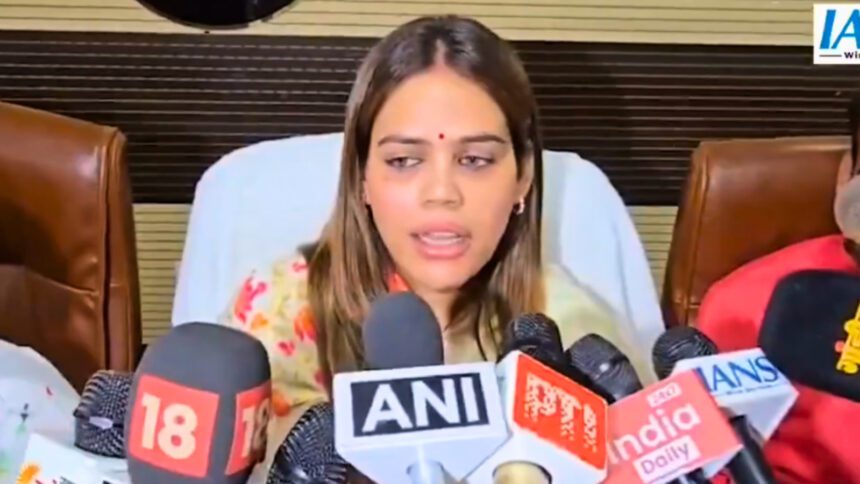

The recent remarks made by BJP Minority Morcha leader Nazia Elahi Khan, advocating for the boycott of Muslims in government and private sectors for two to three years, have reignited tensions around communal harmony in India. Her statements, which invoke themes of loyalty and suspicion against Muslims, reflect a troubling trend of exclusionary rhetoric from political figures aligned with Hindu nationalism.
The Boycott Call: Context and Claims
Nazia Elahi Khan’s call for a boycott stems from her allegations of Pakistani infiltration and what she describes as various forms of jihad targeting Hindus. In her discourse, she mentions terms like “thook jihad,” “love jihad,” and “land jihad,” implying that Muslims are attempting to convert Hindus through deceptive means. By challenging the loyalty of Muslims who do not chant nationalist slogans like “Bharat Mata Ki Jai,” Khan legitimizes her call for exclusion from employment.
This rhetoric not only marginalizes a significant portion of India’s population but also amplifies fears of security concerns, particularly when linked to alleged arrests of ISI agents. Khan’s assertion that Muslims who refuse to express loyalty to India pose a threat exacerbates existing divides and fosters a climate of distrust and hostility toward an entire community.
A Pattern of Provocation
Nazia Khan is not new to controversy. Her history of inflammatory remarks includes targeting the Muslim community in ways that echo broader narratives of communal violence. Her previous speeches have made claims that paint Muslims as inherently violent and perpetuated conspiracy theories like “Ghazwa-e-Hind,” suggesting an impending Islamic conquest of India.
These trends have serious implications for social cohesion in India, where Hindus and Muslims have coexisted for centuries. Organizations like Citizens for Justice and Peace have previously filed complaints against Khan for her speeches, citing violations of the Model Code of Conduct and incitement to communal hatred. This pattern of behavior contributes to a broader narrative of exclusion that permeates Indian politics and society.
Public Reaction and Broader Implications
The backlash against Khan’s comments has been immediate and widespread. Social media platforms have seen a flurry of discourse condemning her call for employment boycotts as a form of hate speech that undermines communal harmony. Users have highlighted the dangers of painting entire communities with a broad brush based on the actions of a few.
This escalating rhetoric invites serious questions regarding the role of political leaders in the perpetuation of intolerance. As calls for boycotts based on religious identity become normalized, they carry the potential to institutionalize discrimination within economic and social landscapes, making it even harder for marginalized communities to secure their rights and livelihoods.
Why It Matters
The incidents surrounding Khan’s remarks underscore a growing trend of discrimination and social exclusion against Muslims in India. Such movements not only threaten community cohesion but can also impede social and economic development. For businesses and the wider economy, fostering inclusivity is crucial for stability and growth. Furthermore, the normalization of hate-driven rhetoric poses challenges for civil rights and reinforces systemic inequalities that marginalize specific groups.
Frequently Asked Questions
What prompted Nazia Elahi Khan to call for a boycott of Muslims?
Khan’s call for a boycott is rooted in her claims of Pakistani infiltration and the idea that Muslims pose a loyalty threat to the nation, arguing they engage in covert campaigns against Hindus.
What are the reactions to Khan’s remarks?
Reactions have been sharply critical, with many social media users condemning her statements as hate speech that undermines communal harmony and promotes discrimination.
How has Khan’s rhetoric affected Muslims in India?
Khan’s rhetoric has increased tensions in communal relationships and has the potential to institutionalize discrimination against Muslims, affecting their opportunities in employment and other social avenues.
What do experts say about the implications of hate speech in politics?
Experts warn that hate speech in politics can lead to societal fragmentation, increased violence, and a culture of fear, undermining democracy and the rights of marginalized communities.