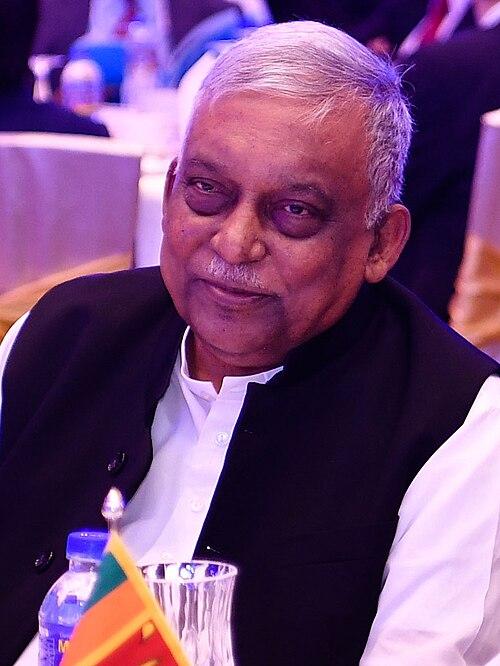

Bangladesh Seeks Extradition of Former Home Minister from India
Bangladesh has formally requested the extradition of Asaduzzaman Khan Kamal, the former Home Minister who was sentenced to death for crimes against humanity during the 2024 mass uprising that ousted former Prime Minister Sheikh Hasina. This extradition plea reflects ongoing tensions in the region and the ongoing pursuit of accountability for alleged state-sponsored violence.
Crackdown During Protests and Its Aftermath
The former Home Minister was convicted in absentia by Bangladesh’s International Crimes Tribunal, which found him responsible for overseeing violent actions against demonstrators during widespread protests that ignited in July 2024. Initially sparked by student-led demands for changes to public-sector job quotas, the protests grew into a nationwide anti-government movement, resulting in the rapid downfall of Hasina’s administration by August of the same year.
The interim government in Bangladesh has initiated multiple criminal proceedings against numerous former officials, alleging they orchestrated brutal repression against the demonstrators, resulting in significant loss of life. This has led to an urgent push by the Bangladeshi authorities to bring these officials back for trial.
Diplomatic Tensions Between Bangladesh and India
The extradition request was submitted through official diplomatic channels and includes a copy of the tribunal’s verdict, as confirmed by Bangladesh’s State Minister for Foreign Affairs, Shama Obaed. This is not an isolated request; separate appeals have also been made for the return of other former officials who are believed to be sheltering in India. The extradition plea signifies a broader strategy by Dhaka to address the perceived impunity enjoyed by former government members after Hasina’s departure.
However, the relation between Bangladesh and India has been strained over these extradition efforts. Prime Minister Sheikh Hasina, who fled to India after her government was overthrown, has not yet been returned despite calls for her extradition from the interim authorities. India has refrained from acting on these requests, causing a backdrop of increasing diplomatic friction.
The Role of the International Crimes Tribunal
The International Crimes Tribunal was set up initially to prosecute war crimes related to Bangladesh’s 1971 independence. However, it has since expanded its mandate to address atrocities related to the 2024 uprising. This reflects Bangladesh’s aim to confront its past and hold accountable those viewed as guilty of serious human rights violations.
The tribunal’s current action against Kamal and others underscores the significant shift in Bangladesh’s political landscape post-2024. It not only deals with legal aspects but also with social justice for the families affected by the violence, highlighting the complexities in managing transitional justice in a post-uprising scenario.
Why It Matters
The events unfolding in Bangladesh, particularly regarding the extradition request, carry implications for both domestic stability and international relations. The pursuit of accountability for state-sanctioned violence may set precedents in transitional justice efforts globally. Additionally, how India responds to these requests could affect its diplomatic standing with Bangladesh and influence perceptions within the region regarding human rights and governance. Observers in the international human rights community will be monitoring these developments closely, as they could inform future policies surrounding state accountability and refugee status in politically turbulent regions.
Frequently Asked Questions
What crimes was Asaduzzaman Khan Kamal convicted of?
Asaduzzaman Khan Kamal was convicted for crimes against humanity related to overseeing violent crackdowns during the protests against the government in 2024.
Why is the extradition of former officials significant?
The extradition is significant as it represents Bangladesh’s efforts to hold former officials accountable for state violence and to clarify the political and social accountability following Hasina’s government collapse.
What were the protests in 2024 about?
The protests initially began as student-led demonstrations against public-sector job quotas but quickly evolved into a broader anti-government movement.
How has India responded to extradition requests?
India has not taken action on the extradition requests, which adds to the diplomatic tensions between Bangladesh and India regarding the return of former officials.