
Summary
The recent arrest of a minor Muslim boy and his mother in Assam highlights the growing religious intolerance in the region, as accusations of bringing beef to school turned a classroom incident into a communal crisis. This situation sheds light on the broader implications of rising bigotry fueled by right-wing groups, exacerbating communal tensions in a historically diverse area.
Escalation of a Classroom Incident
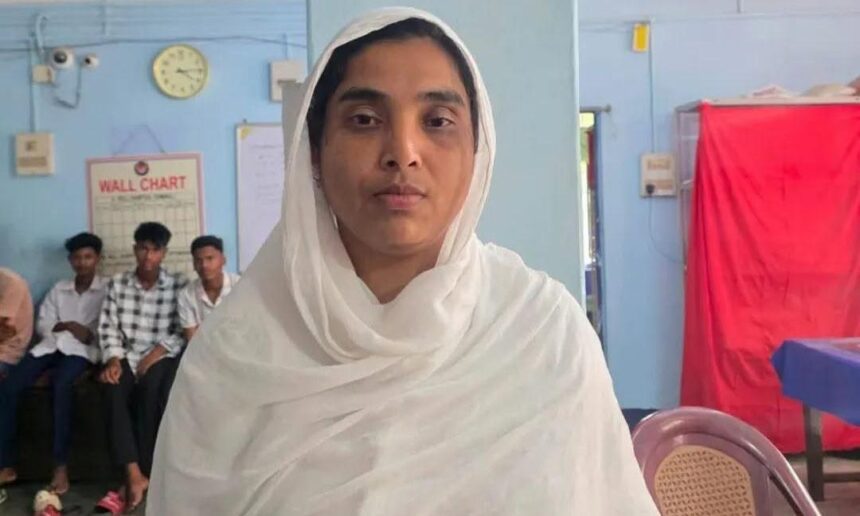
What began as a disciplinary issue within a mixed-population school in Goalspara district quickly spiraled out of control when allegations arose that five Class IX Muslim students attempted to share beef with their Hindu classmates during lunch. The matter, originally handled by school authorities, caught the attention of local organizations, leading to police involvement. Following a complaint from the parents of the Hindu students, the police filed a case and took the minor boy into custody, also arresting his mother, who has raised him alone after the death of her husband.
Authorities framed the arrests under provisions aimed at acts intended to outrage religious feelings, underscoring how a seemingly innocuous school lunch can provoke serious legal consequences. This alarming turn of events reflects not only the community’s division but also the pervasive role of right-wing groups in amplifying communal tensions.
Administrative Reaction and Community Response
In the wake of the incident, senior district officials, including the District Commissioner and Superintendent of Police, took direct action. They visited the school, assuring swift measures would be taken. Additionally, a magisterial inquiry was initiated to look into the events, amplifying scrutiny on school lunch policies. Administrators even hinted at potential restrictions on non-vegetarian food items, suggesting that students might be limited to vegetarian meals or, at most, eggs.
The situation escalated further during a community meeting involving school authorities and local organizations, which reflected a consensus favoring the expulsion of the five students involved. The proposal is set for discussion at an upcoming School Management Development Committee meeting, raising concerns regarding the marginalization of Muslim students in a school setting.
Implications for Religious Harmony
This episode not only raises questions about educational policies but also about communal harmony in Assamese society. Historically, Goalpara has hosted a diverse population, where Muslim and Hindu communities have coexisted for generations. The push for punitive measures against Muslim students in this context threatens to dismantle years of social cohesion, exacerbating the alienation of minority groups.
Voices from within the Muslim community have urged the importance of preserving educational access for all children, regardless of their religious backgrounds. The current atmosphere of intolerance poses a significant risk to communal solidarity, potentially leading to broader societal divisions.
Why It Matters
This incident serves as a critical case study in rising religious intolerance, reflecting broader trends across India where minority communities face increasing scrutiny and discrimination. The implications extend beyond Assam, as similar incidents could influence public policy and societal perceptions of religious minorities nationally. Understanding these dynamics is vital for policymakers, educators, and community leaders as they seek to foster inclusive environments that promote harmony rather than division.
Additionally, the situation underscores the need for vigilant interfaith dialogue and cooperative community efforts to address issues of discrimination and marginalization, crucial in maintaining social stability in a multicultural society.
Frequently Asked Questions
What led to the arrest of the Muslim boy and his mother in Assam?
The arrests occurred after allegations were made that the minor Muslim boy and his classmates attempted to share beef during lunch at school, which prompted complaints from the parents of Hindu students leading to police action.
What actions were taken by district officials following the incident?
District officials, including the District Commissioner and Superintendent of Police, visited the school, initiated a magisterial inquiry, and discussed potential restrictions on non-vegetarian food items in school lunches to prevent similar incidents.
How has the community reacted to the proposed expulsion of the Muslim students?
The proposal to expel the five Muslim students has faced criticism from some community voices, who argue that denying children their right to education can further exacerbate communal tensions and undermine years of coexistence.
What does this incident signify for communal harmony in India?
This incident illustrates the growing trend of religious intolerance in India, particularly towards Muslim minor communities, and highlights the urgent need for efforts focused on interfaith dialogue and inclusion.