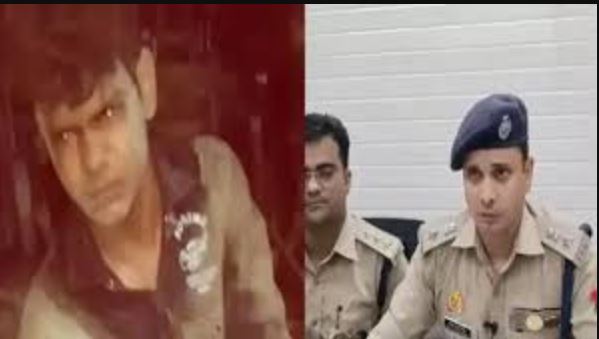

A recent incident in Uttar Pradesh has brought to light ongoing concerns regarding the treatment of Muslims in India, particularly under the governance of the ruling Bharatiya Janata Party (BJP). In a controversial police encounter, a Muslim man named Israyil was killed, raising questions about law enforcement practices and systemic discrimination against minority communities.
Allegations of Fake Encounters
Reports indicate that Israyil was fatally shot by Indian police during a so-called “fake encounter” at a community health center in the Unnao district. This incident occurred amid what authorities described as a crackdown on crime, but it has been met with skepticism. The police claimed that Israyil was wanted for the murder of a Hindu priest and was allegedly absconding, raising concerns about the transparency and credibility of these justifications.
Fake encounters have been a contentious issue in India, often disproportionately affecting marginalized communities. Critics allege that the police misuse their powers, targeting individuals based on religious identity and societal status rather than substantial evidence or due legal process.
Context of Marginalization
The killing of Israyil must be viewed within the larger framework of systemic discrimination faced by Indian Muslims. Reports have indicated a pattern where Muslim individuals are often subjected to violence and marginalization, particularly in regions controlled by the BJP. Many activists and human rights organizations have noted that the current political climate fosters an environment where minorities feel increasingly vulnerable.
The political landscape in India has been significantly influenced by the Sangh Parivar, the broader ideological family of the BJP which advocates for a Hindu nationalist agenda. This ideology has led to heightened social exclusion of Muslims, as seen through various incidents of communal violence and derogatory rhetoric from political leaders. The police’s actions in cases like that of Israyil can be seen as a continuation of this troubling trend.
The Impact on Community Relations
Incidents like the shooting of Israyil further strain communal relations in regions already fraught with tension. The Muslim community, feeling increasingly marginalized, faces social and economic repercussions that can last for generations. Such encounters not only incite fear among victims and their families but also deter potential cooperation between minority communities and law enforcement agencies.
The loss of trust in policing can hinder effective crime prevention and create a cycle of alienation. Many in the Muslim community may feel compelled to withdraw from civic engagement altogether, fearing that their identities make them targets for violence or discrimination.
Why It Matters
The implications of this incident extend beyond immediate concerns of justice for Israyil’s family and the affected community. They highlight broader trends of discrimination and social exclusion faced by minorities in India. For global observers, it raises questions about the efficacy of law enforcement in diverse societies and the role of government in protecting minority rights.
These dynamics often resonate within technology and AI sectors, particularly concerning how data is collected and used to monitor populations. Developers working on systems that track societal issues must consider the ethical ramifications of their work and ensure that they do not inadvertently contribute to the marginalization of already vulnerable groups.
Frequently Asked Questions
What was the incident that occurred in Uttar Pradesh?
A Muslim man named Israyil was killed by police in what has been described as a fake encounter during a crackdown in Unnao district.
Why are fake encounters controversial in India?
They often involve unlawful killings justified by police under dubious claims, disproportionately affecting minorities and leading to widespread concerns about human rights violations.
How does this incident reflect broader societal issues?
The killing is part of a troubling pattern of discrimination and marginalization against Muslims in India, particularly under the BJP’s governance, exacerbating communal tensions and distrust in law enforcement.
What are the ramifications for community relations?
Such incidents create fear and mistrust among the Muslim community towards law enforcement, which can lead to increased social exclusion and hinder cooperation in crime prevention efforts.