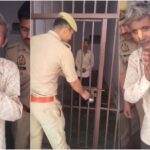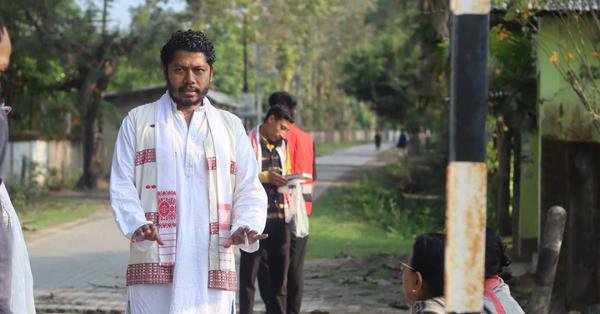

Pranab Doley, an activist in Assam, has been arrested in Guwahati while leading protests against luxury hotels near Kaziranga National Park. Doley claims he was detained without being shown any legal documentation, raising questions about the democratic rights of activists in India.
Context of the Protests
The protests led by Pranab Doley have been fueled by concerns over the environmental impact of luxury hotels being built near Kaziranga National Park, a UNESCO World Heritage Site known for its rich biodiversity. Activists argue that these developments threaten the habitat of endangered species, including the one-horned rhinoceros, and disrupt local communities. Doley’s efforts reflect a broader movement advocating for environmental protection and the rights of indigenous populations affected by such commercial projects.
The Arrest and Claims of Unlawful Detention
On the day of his arrest, Pranab Doley made a public statement expressing his fears about the suppression of dissent in India. He alleged that during his initial detention in Guwahati, authorities did not provide any documents outlining the reasons for his arrest. Following this, he was taken to Golaghat, where his formal arrest was documented. This has drawn criticism from human rights advocates who argue that such actions undermine the core principles of democracy and civil liberties.
Reactions from the Public and Political Figures
The news of Doley’s arrest has sparked outrage among various sectors of society, including environmentalists, political activists, and ordinary citizens. Many have taken to social media to voice their concerns using hashtags advocating for justice and highlighting the importance of holding public protests. Political figures from opposition parties have condemned the arrest, framing it as a deliberate attempt by the government to stifle dissent and control narratives surrounding development projects.
Why This Matters
The arrest of Pranab Doley has broader implications for civil society in India. It raises critical questions about the government’s stance on dissent and its approach to environmental issues. As India faces increasing pressure to balance development with environmental sustainability, the way it handles activists could dictate the future of activism and public engagement in governance. Moreover, the incident highlights an ongoing conflict between development goals and ecological conservation, which is increasingly becoming a flashpoint in Indian politics.
Frequently Asked Questions
Who is Pranab Doley?
Pranab Doley is an activist in Assam leading protests against luxury hotels being built near Kaziranga National Park. He advocates for the rights of local communities and environmental preservation.
What are the concerns surrounding the luxury hotels near Kaziranga?
Activists like Doley argue that the hotels threaten the habitat of endangered species and disrupt local ecosystems, which are crucial for conservation efforts in one of India’s most important national parks.
What legal grounds were cited for Doley’s arrest?
Doley claims he was not shown any documents justifying his detention in Guwahati. The lack of transparency raises concerns about the legality of the arrest and the treatment of dissenting voices.
What is the reaction from the government and political opposition?
The government has not issued an official response regarding Doley’s arrest, but opposition leaders have criticized the detention as an attempt to suppress free speech and protest rights in India.