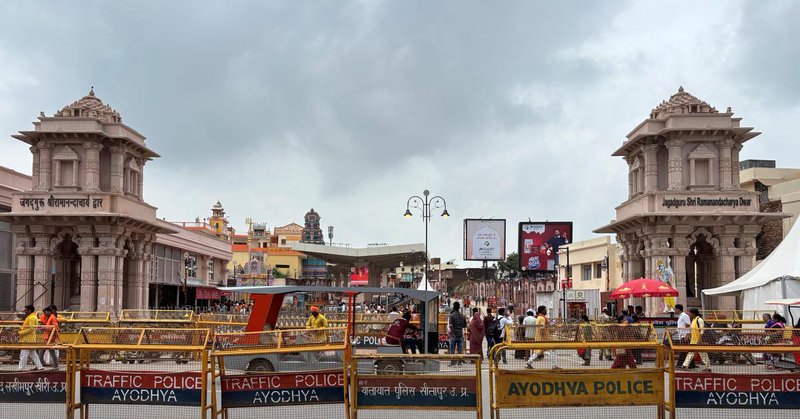

In Ayodhya, the aftermath of a donation theft scandal is challenging the trust of devotees, even as their faith in Lord Ram and the temple endures. While locals report a decline in tourism, some attribute this to seasonal factors rather than the ongoing crisis. An SIT investigation is underway, raising questions about transparency and accountability in a city where faith and tourism intersect.
Context of the Allegations
Recent allegations concerning the misappropriation of funds from donations made to the Ram Temple in Ayodhya have stirred unrest among pilgrims and locals alike. For weeks, news of financial irregularities has led to a palpable atmosphere of suspicion. Many devotees initially expressed unwavering faith in their religious beliefs; however, the specter of financial misconduct has made them more guarded regarding their contributions. The escalating concerns reflect a broader dialogue about trust in religious institutions across India.
Impact on Local Tourism
Ayodhya, a city emblematic of deep-rooted religious sentiment in India, thrives on the influx of pilgrims. However, the recent donation scandal has led to a significant drop in visitor numbers. Local businesses that rely on tourism are beginning to feel the pinch. While some stakeholders attribute this downturn to seasonal variations, many believe the scandal has played a crucial role in shaping public perception. The resultant skepticism is now a factor in the economic dynamics of Ayodhya, leading to a complicated interplay between faith and finance.
Ongoing Investigations and Public Sentiment
In response to the allegations, a Special Investigation Team (SIT) has been constituted to probe the circumstances surrounding the alleged siphoning of donations. As this inquiry unfolds, the importance of accountability and transparency becomes increasingly apparent. The local populace is keenly watching how the investigation will unfold, hoping it will restore faith in the temple administration. This scenario raises essential questions about governance in religious institutions and how financial accountability measures are enforced.
Why This Matters
The situation in Ayodhya has significant political implications in India. For a country where religion often intersects with politics, the integrity of religious institutions can heavily influence public trust in governance. The fallout from the donation scandal has the potential to alter the perception of the ruling party among its core religious voter base. As political landscapes shift and campaigns for upcoming elections gain traction, the ability to reassure constituents about the moral and financial integrity of religious sites like the Ram Temple will be pivotal. Moreover, the response of the authorities could set precedents for accountability measures in similar institutions nationwide.
Frequently Asked Questions
What are the main allegations concerning the Ram Temple donations?
Allegations have emerged that funds donated to the Ram Temple in Ayodhya have been misappropriated, leading to concerns about financial transparency and trust among devotees.
How has the scandal affected local tourism in Ayodhya?
There has been a noticeable decline in visitor numbers to Ayodhya, attributed in part to the ongoing scandal, although some locals also cite seasonal factors as a contributing cause.
What measures are being taken to investigate the allegations?
A Special Investigation Team (SIT) has been formed to probe the allegations of financial misconduct regarding the temple donations. This investigation aims to ensure accountability and transparency.
Why is trust in religious institutions important in India?
Trust in religious institutions is crucial in India, as these bodies play significant roles in the cultural, spiritual, and political life of the nation. A loss of trust could have wider repercussions for governance and voter sentiment.