
Summary
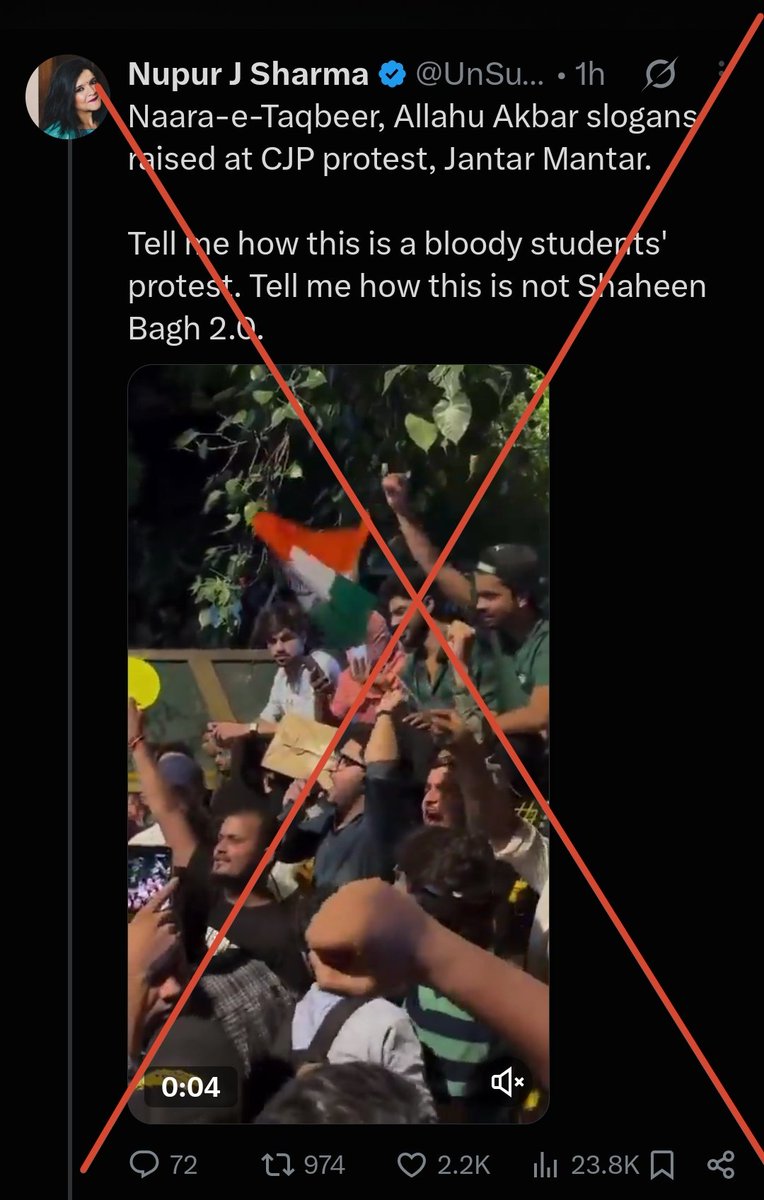
Recent protests in India have garnered attention, particularly the slogans of “Naara-e-Taqbeer” and “Allahu Akbar” raised during the Chief Justice of India (CJI) protest at Jantar Mantar. This has sparked debates about the nature and political implications of student protests, with parallels being drawn to the infamous Shaheen Bagh protests.
Context of the Protests
The Jantar Mantar area in New Delhi has long been a site for protests, serving as a platform for various social and political movements. The current protest, claimed to be led by students, has involved raising religious slogans that many believe signal an ideological stance against governmental policies. Such protests are emblematic of a broader discontent among students regarding the Indian government’s stance on issues like citizenship laws and university autonomy.
Analysis of Slogans
The slogans that resonated during the protests have historical roots in India, often associated with religious identity politics. By raising “Naara-e-Taqbeer” and “Allahu Akbar,” protestors seem to invoke a sense of solidarity with marginalized communities. Critics, however, argue that this could polarize rather than unite, as these slogans might invoke memories of past communal tensions, particularly linked to movements like Shaheen Bagh, which emerged in response to the Citizenship Amendment Act (CAA) and National Register of Citizens (NRC).
Reactions from Political Figures
Political reactions to these protests have been varied. Some politicians have supported the students’ right to protest, viewing it as a vital expression of dissent in a democracy. Others have recalled the Shaheen Bagh protests as examples of divisive politics, claiming that such displays could undermine the secular fabric of the nation. The use of religious slogans has become a contentious issue, leading to accusations of politicizing religious identities for protest purposes.
Why This Matters
The current wave of protests holds significant political implications for India. It highlights not only the discontent among students but also brings attention to broader socio-political issues such as secularism, religious identity, and governmental accountability. The revival of slogans reminiscent of previous major protests suggests a galvanization among students who are increasingly vocal about their grievances. As the situation unfolds, these protests will likely continue to influence public discourse and government policy, especially in the lead-up to significant elections.
Frequently Asked Questions
What are the core issues driving the current protests?
The protests focus on governmental policies regarding citizenship and civil rights, which many students feel infringe upon their democratic rights.
How do the slogans used in the protests relate to past movements?
Slogans like “Naara-e-Taqbeer” have historical ties to previous protests, particularly those addressing issues of identity and community rights, such as the protests at Shaheen Bagh.
What has been the response from political parties?
Responses range widely; some political parties support the protests as vital expressions of opposition to the government, while others criticize them as polarizing and divisive.
What is the significance of Jantar Mantar as a protest site?
Jantar Mantar is a historically significant location for political dissent in India, often chosen for its visibility and proximity to the Indian Parliament, making it a strategic site for protests.