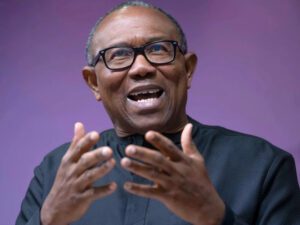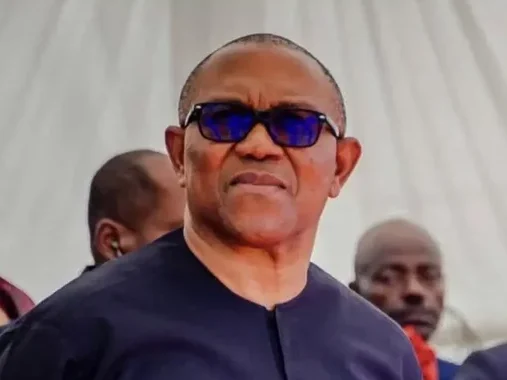

Northern community leaders in Anambra State have countered allegations involving former governor Peter Obi, asserting that claims he demolished mosques and discriminated against northerners are politically charged fabrications. They clarified that the mosque in question was destroyed prior to Obi’s governorship and highlighted significant support he provided to the community.
Community Leaders Address Allegations
In a series of interviews, prominent figures from the northern community, including the traditional ruler of the Hausa Community in Awka, Alhaji Garba Haruna, and Secretary of the Northern Community, Mr. Mahmud Ibrahim, dismissed the controversial allegations as untrue. Ibrahim clarified the historical context, stating, “The mosque at the center of the controversy was demolished before Obi became governor,” referring to an incident in February 2006 during a sectarian crisis.
Further emphasizing their positive relations with Obi, members of the community described how he assisted them during the aftermath of the mosque demolition. “It was Obi who visited us at the Army Barracks in Onitsha where we were staying as refugees,” Ibrahim said. His later support in rebuilding efforts was highlighted, contrasting the narrative that claims Obi was involved in the mosque’s destruction.
Positive Contributions to the Northern Community
The leaders expressed gratitude for the initiatives introduced during Obi’s administration. They noted benefits from several developmental programs, including free education, agricultural loans, and even sponsorship for the annual Hajj pilgrimage. Alhaji Gidado Sidikki, Chairman of the Northern Community in Anambra, recounted his own experiences with Obi’s agricultural loan scheme, explaining how he received N10 million without discrimination. “We are even surprised that before Obi left office, he repaid the outstanding loans on our behalf,” Sidikki added.
These declarations of good will extend beyond financial assistance. Haruna, the Hausa traditional ruler, shared that his children benefited from the free education initiative, and he personally received assistance for Haj. The community leaders collectively affirmed their longstanding positive relationship with Obi, stating that he continues to engage with them socially, attending their events and sending gifts during celebrations.
Addressing Misunderstandings and Clarifying Facts
Responding to accusations of forced identity card issuance for northerners in Anambra, community leaders clarified that any identification initiative was an internal decision aimed at helping members of the community. Ibrahim said, “It was the Northern Community in Anambra State that came together… to issue identity cards to our brothers for identification.” He pointed out the differences between community-issued cards and the broader identification required by the state, refuting claims of coercion.
Furthermore, community leaders emphasized the cordial relations with the state government during Obi’s administration, stating they never experienced systemic profiling. Haruna explicitly stated he “never witnessed or heard of any policy that created a distinction between indigenes and non-indigenes under Obi.” These assertions align with their overall positive experiences, which they view as inconsistent with the negative claims being circulated.
Why It Matters
The discourse surrounding the treatment of various ethnic and religious communities in Nigeria has far-reaching implications for national unity and social cohesion. Misrepresentations can exacerbate divisions and create mistrust among diverse groups. Understanding the nuances of local political dynamics, especially concerning influential figures like Peter Obi, is crucial for fostering informed dialogue. These insights contribute to a broader understanding of ethnic relations in Nigerian politics, particularly in the context of upcoming electoral cycles.
Frequently Asked Questions
What allegations were made against Peter Obi?
Allegations claimed that Obi demolished mosques and discriminated against northerners during his tenure as governor of Anambra State.
What did community leaders say about the mosque demolition?
Community leaders clarified that the mosque was destroyed in February 2006, prior to Obi’s governorship, amidst a sectarian crisis. They emphasized his support for rebuilding efforts afterward.
How did the northern community benefit during Obi’s administration?
Members of the northern community benefited from several programs, including free education, agricultural loans, and sponsorship for the Hajj pilgrimage, reflecting a supportive relationship with Obi.
Was there any forced identification for northerners in Anambra?
No. Community leaders clarified that the identity cards were issued voluntarily by the northern community for its members’ identification purposes, not as a directive from Obi.