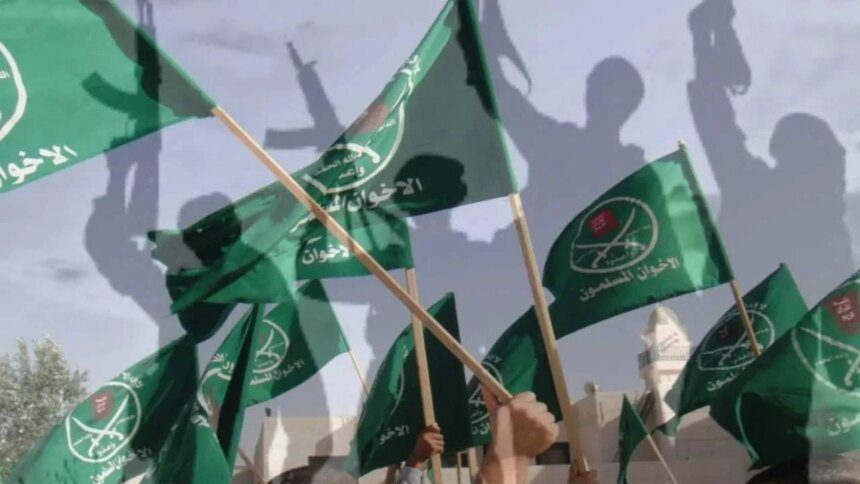

The Muslim Brotherhood in Iraq is reclaiming its influence through strategic partnerships and an increased focus on Sunni institutions, notably the Sunni Endowment Office. As the Iraqi Islamic Party forges new alliances, it aims to build a stronger political presence amid evolving Sunni dynamics, targeting social engagement and religious activities to broaden its appeal.
Strategic Expansion Amid Declining Influence
Recent developments indicate that the Muslim Brotherhood is actively working to regain its foothold in Iraqi politics. Following the declining stature of the Iraqi Islamic Party, this group is taking significant steps to expand its influence across critical Sunni institutions. Their strategy includes forming political alliances with other Sunni groups and enhancing social networks, particularly within the Sunni Endowment Office. This office plays a crucial role in managing mosques and appointing clerics, making it a significant avenue for political maneuvering.
The Iraqi Islamic Party and Broadening Alliance Formation
The Iraqi Islamic Party has shifted its approach by embracing broader political alliances, including partnerships with the Azm and Al-Hasm coalitions. This coalition-building effort reflects a departure from a purely organizational identity to a strategy focused on collective influence. Senior party leaders are increasingly securing key positions within these alliances to influence decision-making effectively. Recent meetings led by MP Ammar Yousif Al-Samarrai with Sunni Endowment officials highlight efforts to coordinate religious events and restore key mosques, such as Muadh Mosque, to bolster their social presence in regions like Saladin Governorate.
Inter-Faction Struggles Within the Sunni Endowment Office
Tensions and power struggles are intensifying within the Sunni Endowment Office, particularly between factions aligned with the Muslim Brotherhood and the previously influential Madkhali movement. This struggle for control over religious pulpits is marked by a strategic shift where Madkhali preachers are being replaced by those who are ideologically closer to Brotherhood principles. Such changes significantly affect religious discourse, reshaping the narrative presented to Sunni communities across key areas like Baghdad, Anbar, and Nineveh.
Rebuilding Organizational Bases Through Youth and Education
The Al-Adl Wal-Ihsan movement is currently at the forefront of efforts to rebuild organizational foundations within the Muslim Brotherhood. With specialized offices focusing on youth, students, and women’s outreach, the movement is establishing a strong grassroots presence. These initiatives aim not only to raise religious awareness but also to create solid political connections, ensuring sustained engagement with local communities.
Why It Matters
The strategic maneuvers of the Muslim Brotherhood within Iraq’s Sunni landscape underscore a critical moment in the country’s political fabric. By adapting to shifting dynamics and fostering alliances, the Brotherhood aims to regain lost influence amidst an evolving power structure. Understanding these developments is vital for analysts and policymakers as they navigate a complex landscape characterized by factional struggles and the pursuit of religious and political authority. Such changes could have broader implications for governance, social cohesion, and the role of religion in Iraq’s future.
Frequently Asked Questions
What role does the Sunni Endowment Office play in Iraq?
The Sunni Endowment Office manages mosques and appoints preachers, serving as a key institution for overseeing religious activities and influence in Sunni communities.
Why is the Muslim Brotherhood focusing on Sunni institutions?
By targeting Sunni institutions, the Muslim Brotherhood aims to consolidate influence, restore its presence in Iraqi politics, and counter the declining role of the Iraqi Islamic Party.
What is the significance of forming political alliances for the Iraqi Islamic Party?
Political alliances allow the Iraqi Islamic Party to enhance its decision-making power and operational capacities, providing broader maneuverability in a competitive political landscape.
How are youth and educational initiatives impacting the Muslim Brotherhood’s strategy?
By focusing on youth and education, the Al-Adl Wal-Ihsan movement seeks to build a solid grassroots base and foster religious engagement that parallels political mobilization efforts.